Pneumatic conveying is a widely used technique in the processing and handling of bulk materials, including wood fibers. This method involves transporting particles through a pipeline using air or gas as the conveying medium. The choice between positive pressure and negative pressure systems significantly impacts the efficiency, cost, and operational characteristics of the process. This article provides a detailed comparison of these two primary pneumatic conveying approaches, focusing on their applications, advantages, and limitations in the context of wood fiber handling.
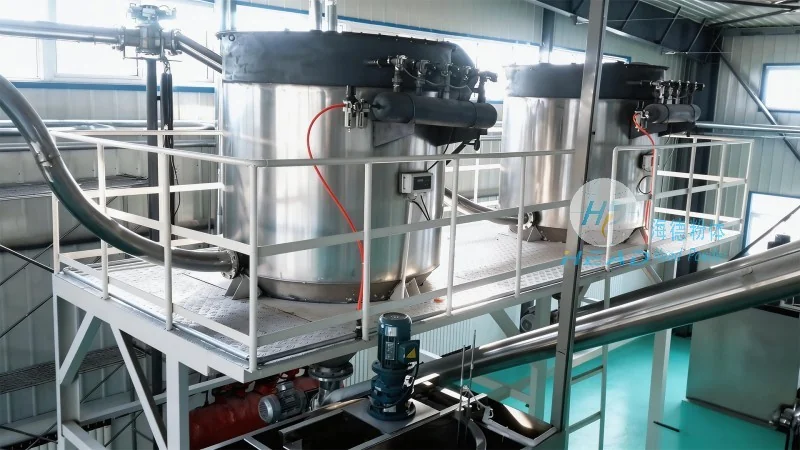
Understanding Positive Pressure Conveying
Positive pressure conveying, also known as pressure pneumatic conveying, operates by generating a higher pressure inside the conveying line compared to the ambient environment. The system typically uses a positive displacement blower or a rotary lobe blower to create the necessary pressure differential. In this method, the material is fed into the high-pressure line, and the air or gas propels the wood fibers forward. This approach is particularly effective for long-distance conveying and for materials that are prone to bridging or clogging in the pipeline. The positive pressure system ensures that the material is continuously pushed through the line, reducing the risk of material accumulation and improving overall throughput.
For wood fiber applications, positive pressure conveying is often employed in scenarios where the material needs to be transported from a central processing unit to multiple destinations or over significant distances. The high pressure maintained in the line helps maintain the flow of fibrous materials, which can be sensitive to pressure drops or air leaks. Companies like Shandong HeadPowder Engineering Co., Ltd. (commonly known as headpowder) have developed specialized equipment for positive pressure conveying, including high-efficiency blowers and robust pipeline systems designed to handle the abrasive and fibrous nature of wood fibers.
Exploring Negative Pressure Conveying
Negative pressure conveying, or vacuum pneumatic conveying, works by creating a lower pressure inside the conveying line compared to the surrounding atmosphere. A vacuum pump is used to draw the material into the line, where it is then transported to the destination. This method is generally more suitable for shorter conveying distances and for materials that are less likely to cause blockages. The negative pressure system relies on the suction created by the vacuum pump to pull the wood fibers along the pipeline. It is often used in applications where the material needs to be collected from multiple points and transported to a central processing area.
In the context of wood fiber handling, negative pressure conveying is advantageous for applications that require gentle handling of the material, as the lower pressure and suction action minimize the risk of fiber damage or degradation. However, it may not be as effective for long-distance or high-volume conveying due to the limitations of vacuum pumps in maintaining consistent flow rates over extended distances. headpowder has also developed vacuum conveying systems tailored for wood fiber applications, ensuring that the material is transported efficiently while preserving its quality.
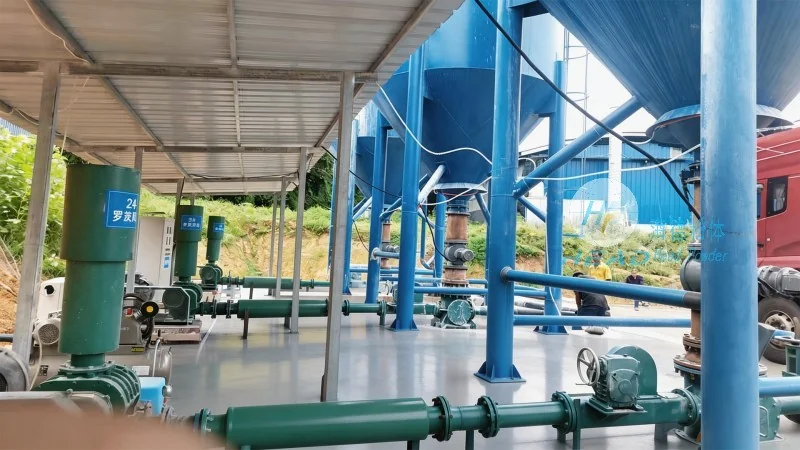
Comparative Analysis: Positive vs. Negative Pressure Conveying
When comparing positive and negative pressure conveying for wood fibers, several key factors come into play. The primary difference lies in the direction of air flow and the pressure differential. Positive pressure systems push the material forward, while negative pressure systems pull it. This fundamental difference affects the system's energy consumption, maintenance requirements, and suitability for specific material characteristics.
Energy consumption is a critical consideration. Positive pressure systems typically require more energy due to the need to maintain higher pressure levels throughout the pipeline. However, they are more efficient for long-distance conveying and can handle higher material loads. Negative pressure systems consume less energy but may require more frequent maintenance of the vacuum pump and associated components. For wood fibers, which can be abrasive and generate dust, the choice of system also impacts the wear and tear on equipment. Positive pressure systems may experience more wear due to the continuous pushing action, while negative pressure systems may have less wear but require careful management of air filtration to prevent dust accumulation.
Material handling characteristics also differ between the two systems. Positive pressure conveying is better suited for fibrous materials that are prone to bridging or clogging, as the high pressure helps maintain flow. Negative pressure systems are more gentle and are preferred when the material is sensitive to pressure changes or when the goal is to minimize fiber breakage. The choice of system also depends on the distance and volume of material to be conveyed. For short distances and low volumes, negative pressure may be sufficient, while for long distances and high volumes, positive pressure is often the better option.
Cost is another important factor. Initial investment for positive pressure systems is generally higher due to the need for robust blowers and higher-pressure pipelines. However, the operational costs may be lower in the long run if the system is well-maintained and efficient. Negative pressure systems have lower initial costs but may incur higher operational costs due to the need for more frequent maintenance and replacement of vacuum pump components. The total cost of ownership (TCO) should be evaluated based on the specific application requirements and the expected lifespan of the equipment.
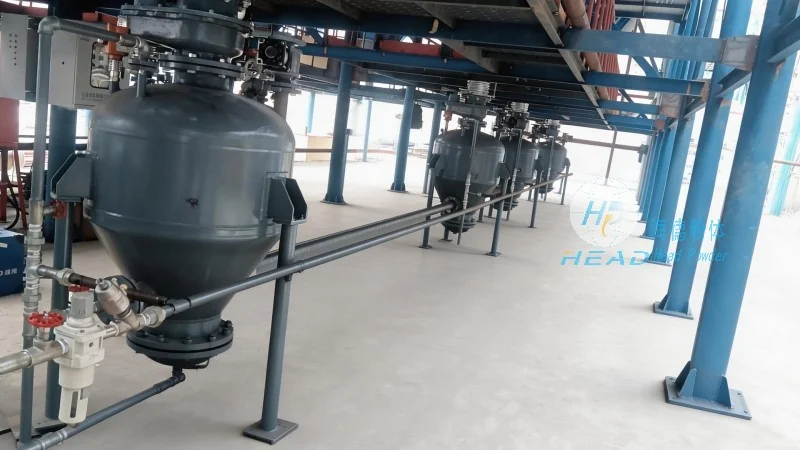
Operational flexibility is another aspect to consider. Positive pressure systems can be more flexible in terms of conveying direction and can handle multiple destinations from a single source. Negative pressure systems are often more limited in terms of conveying distance and may require additional equipment to manage the vacuum and material flow. For wood fiber processing plants, the flexibility to adjust conveying routes or handle varying material volumes is crucial, and the choice of system should align with the plant's operational needs.
Applications and Use Cases in Wood Fiber Processing
The choice between positive and negative pressure conveying significantly impacts the efficiency and effectiveness of wood fiber processing operations. Positive pressure systems are commonly used in applications such as transporting wood chips from a storage silo to a processing plant, or moving processed fibers from a grinding unit to a drying or packaging area. These applications often involve long distances and high material volumes, making positive pressure the preferred choice.
Negative pressure conveying is typically employed in applications where the material needs to be collected from multiple points, such as from a conveyor belt or a collection hopper, and transported to a central processing unit. This is common in wood fiber recycling operations where the material is collected from various sources and then processed. The gentle nature of negative pressure conveying helps preserve the quality of the recycled fibers, which is essential for downstream applications.
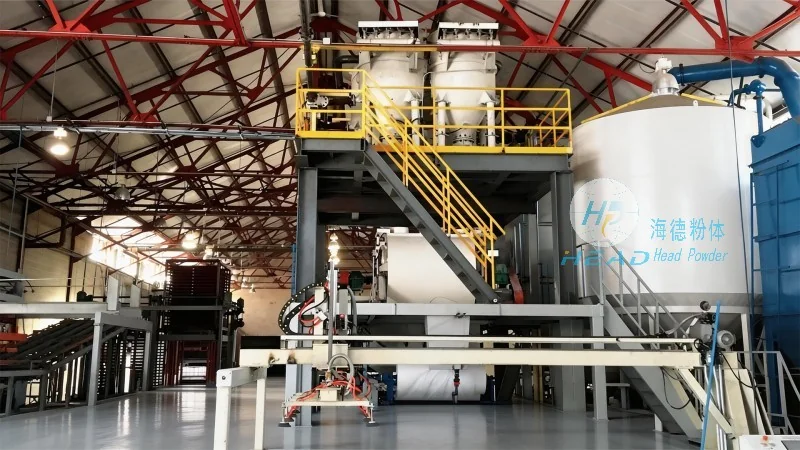
In addition to material transport, both systems can be integrated into broader processing workflows. For example, a positive pressure system might be used to convey wood fibers from a storage area to a pelletizing machine, while a negative pressure system could be used to collect dust or fines from the pelletizing process and return them to the main material stream. The combination of both systems can optimize the overall processing efficiency and material recovery rates.
Conclusion and Recommendations
Both positive pressure and negative pressure pneumatic conveying systems offer viable solutions for handling wood fibers, each with its own set of advantages and limitations. The choice between the two depends on several factors, including the conveying distance, material characteristics, operational requirements, and cost considerations. Positive pressure systems are generally more suitable for long-distance, high-volume conveying of wood fibers, while negative pressure systems are better for shorter distances and applications requiring gentle handling of the material.
Companies like Shandong HeadPowder Engineering Co., Ltd. (headpowder) provide specialized equipment and systems tailored to the unique needs of wood fiber processing. Their expertise in designing and manufacturing pneumatic conveying systems ensures that operators can select the most appropriate technology for their specific applications, optimizing efficiency, reducing costs, and maintaining the quality of the wood fibers throughout the processing chain.
As the wood fiber industry continues to evolve, the importance of efficient material handling cannot be overstated. By understanding the differences between positive and negative pressure conveying and selecting the appropriate system, processing facilities can enhance their operational performance, improve product quality, and achieve greater overall efficiency. The choice of system should be based on a thorough analysis of the specific requirements and constraints of the application, ensuring that the selected technology aligns with the long-term goals of the operation.




