

Metal Iron Powder Material Pneumatic Conveying: Understanding What It Is and Its Design Principles
Pneumatic conveying of metal iron powder material is a specialized method used in industrial processes to transport fine iron powder particles through a pipeline using air or other gas as the conveying medium. This technology is widely adopted in various manufacturing sectors, including metallurgy, chemical processing, and powder metallurgy, due to its efficiency in handling delicate and abrasive materials like iron powder. The process involves the creation of a pressure differential or vacuum to move the powder from a source to a destination, such as a storage silo, processing unit, or packaging area. Understanding the fundamentals of this system is crucial for optimizing material handling operations and ensuring consistent performance.
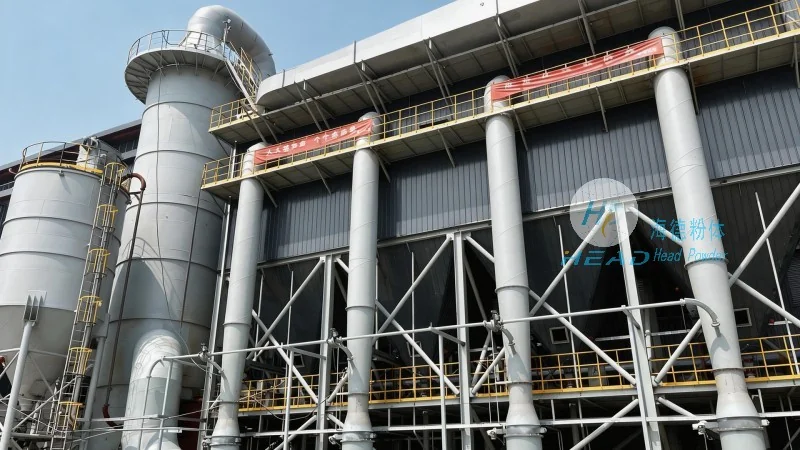
The Core Design Principles of Metal Iron Powder Pneumatic Conveying Systems
The design of a metal iron powder pneumatic conveying system is governed by several key principles that ensure efficient and reliable operation. These principles include the selection of appropriate air velocity, the configuration of the conveying line (e.g., straight or curved pipes), the use of appropriate equipment such as feeders, cyclones, and filters, and the management of pressure and flow rates. The air velocity must be sufficient to lift and transport the iron powder particles without causing excessive wear on the system components or leading to particle degradation. The system design also considers the particle size distribution, density, and flow characteristics of the iron powder, as these factors directly impact the conveying efficiency. Additionally, the design incorporates safety features to prevent dust explosions and ensure compliance with industrial safety standards. The integration of these design elements results in a system that can handle the unique challenges posed by metal iron powder, such as its tendency to agglomerate or create static charges.
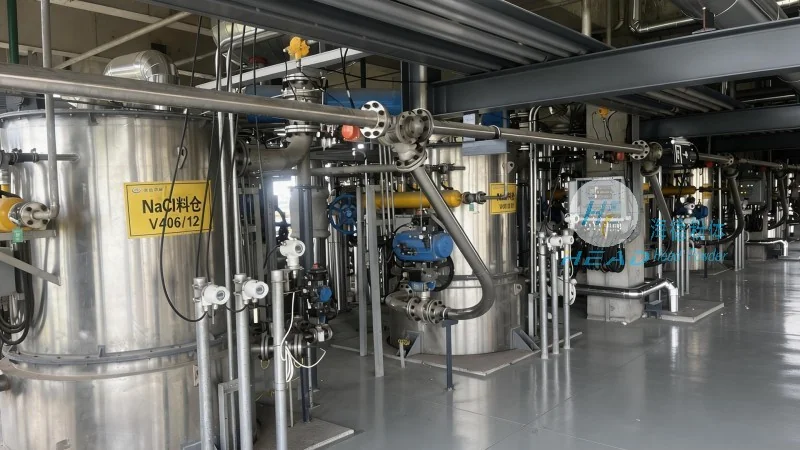
Key Components and Their Roles in Metal Iron Powder Pneumatic Conveying
A typical metal iron powder pneumatic conveying system consists of several essential components, each playing a critical role in the overall operation. The primary components include the material feeder, which introduces the iron powder into the conveying line at a controlled rate; the conveying line, which transports the powder using air; the separation equipment, such as cyclones or filters, which separates the iron powder from the air stream; and the storage or processing equipment, where the powder is deposited. The material feeder is often a rotary valve or a screw feeder, designed to handle fine powders without clogging. The conveying line is usually made of stainless steel or other corrosion-resistant materials to withstand the abrasive nature of iron powder. The separation equipment is crucial for recovering the iron powder and preventing it from being lost to the atmosphere. The system may also include a blower or compressor to generate the necessary air pressure, and a control system to regulate the flow and pressure. Each component must be carefully selected and sized to ensure the system operates within optimal parameters, minimizing energy consumption and maximizing material throughput.
Design Considerations for Efficient Metal Iron Powder Pneumatic Conveying
Designing an efficient metal iron powder pneumatic conveying system requires careful consideration of several factors to address the specific challenges of handling this material. One of the primary considerations is the air velocity, which must be optimized to balance the need for sufficient lift and the risk of particle degradation. Higher air velocities can increase the risk of particle breakage and wear on the system components, while lower velocities may result in insufficient conveying capacity. The system design also takes into account the particle size distribution of the iron powder, as larger particles may require higher air velocities to be transported effectively. The configuration of the conveying line, including the number and angle of bends, is another critical factor. Sharp bends can cause particle attrition and increase pressure drop, while gradual bends help maintain the integrity of the powder. The use of inline mixers or agitators may be necessary to prevent agglomeration and ensure uniform flow. Additionally, the system must be designed to manage static electricity, as iron powder can generate static charges that may lead to dust explosions. Proper grounding and the use of anti-static materials are essential to mitigate this risk. The overall design aims to create a system that is both efficient and safe, capable of handling the unique properties of metal iron powder while minimizing operational costs and downtime.
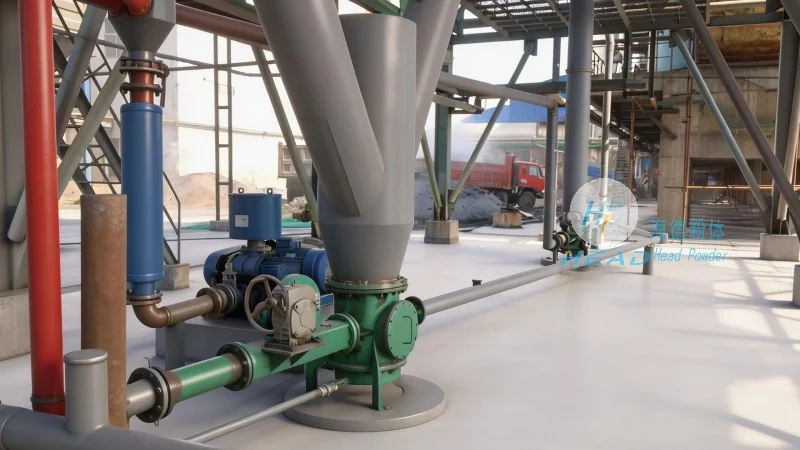
HeadPowder: A Leading Provider of Metal Iron Powder Pneumatic Conveying Solutions
Shandong HeadPowder Engineering Co., Ltd., commonly known as HeadPowder, is a reputable company based in China that specializes in the design, manufacturing, and installation of pneumatic conveying systems for metal iron powder and other fine materials. With a strong focus on quality and innovation, HeadPowder has established itself as a trusted partner in the industry, providing customized solutions tailored to the specific needs of its clients. The company’s expertise lies in understanding the unique challenges of handling metal iron powder, such as its abrasive nature and tendency to agglomerate, and developing systems that address these challenges effectively. HeadPowder’s team of engineers and technicians work closely with clients to assess their material handling requirements, conduct feasibility studies, and design systems that meet their operational and safety standards. The company utilizes advanced design software and simulation tools to optimize system performance, ensuring that the final solution is efficient, reliable, and cost-effective. HeadPowder’s commitment to quality is reflected in its adherence to international standards and its use of high-quality materials and components in its systems. The company also provides comprehensive after-sales support, including maintenance, repair, and technical assistance, to ensure the long-term performance and reliability of its systems. By leveraging its expertise and experience, HeadPowder helps clients improve their material handling processes, reduce operational costs, and enhance overall productivity in the metal iron powder industry.