

Sawdust and Wood Flakes Material Pneumatic Conveying: What It Is and Its Design Principles
Sawdust and wood flakes are common byproducts in the woodworking and forestry industries. These materials, characterized by their lightweight, irregular shapes, and varying moisture content, present unique challenges when it comes to material handling and transportation. Pneumatic conveying, a technology that uses compressed air to transport bulk materials through a pipeline system, has emerged as an effective solution for moving sawdust and wood flakes from one location to another. This article explores what pneumatic conveying is, how it works with sawdust and wood flakes, and the key design principles that ensure efficient and reliable operation, as provided by Shandong HeadPowder Engineering Co., Ltd., a leading provider of material handling solutions.
Understanding Pneumatic Conveying Systems
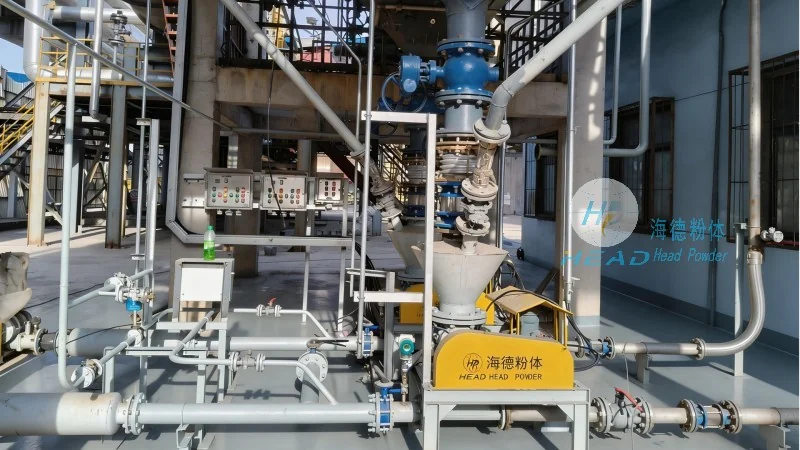
Pneumatic conveying systems are designed to transport bulk materials using air as the conveying medium. Unlike mechanical systems that rely on belts, buckets, or screws, pneumatic systems utilize the force of compressed air to move materials through a network of pipes. The core components of a typical pneumatic conveying system include a blower or fan to generate the necessary air pressure, a hopper or feeder to introduce the material, a pipeline system to transport the material-air mixture, and a receiver or separator to collect the material and release the air.
For sawdust and wood flakes, the choice of conveying system depends on the material's properties and the distance it needs to be transported. There are two main types of pneumatic conveying: dilute phase and dense phase. Dilute phase systems operate at higher air velocities, typically 20-30 meters per second, and are suitable for short to medium distances. Dense phase systems, on the other hand, operate at lower air velocities (5-15 meters per second) and use higher air pressure to move material in a more concentrated form, which is often preferred for longer distances or when handling more abrasive materials.
Design Principles for Sawdust and Wood Flakes Pneumatic Conveying
The design of a pneumatic conveying system for sawdust and wood flakes must consider several critical factors to ensure optimal performance and minimize operational issues. The first consideration is the material's physical properties, such as particle size distribution, bulk density, and moisture content. Sawdust particles can range from fine powders to coarse flakes, and their size distribution directly impacts the system's air velocity requirements and pressure drop. For example, finer particles may require higher air velocities to prevent clogging, while larger flakes may need lower velocities to avoid excessive wear on the system components.
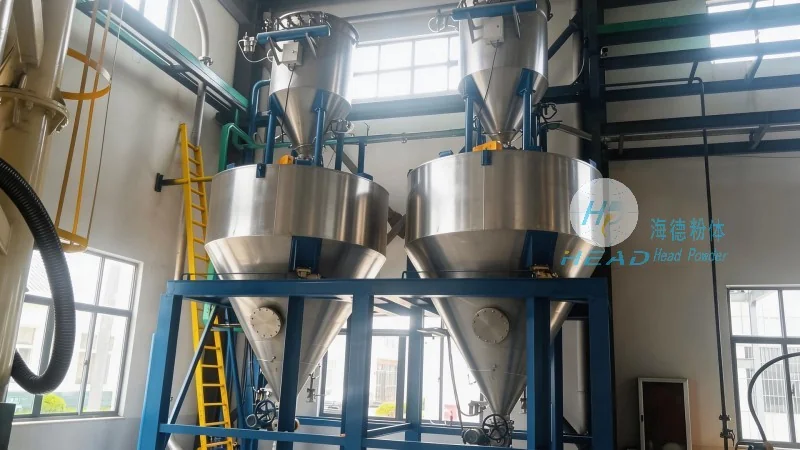
Bulk density is another crucial factor. Sawdust and wood flakes have relatively low bulk densities compared to other bulk materials, which means more air is needed to achieve the desired conveying velocity. This can increase energy consumption, so designers must balance the need for sufficient air volume with energy efficiency. Moisture content is also important, as higher moisture levels can cause the material to clump or stick to the pipeline walls, leading to blockages and reduced system efficiency.
Another key design principle is the selection of the blower or fan. The power and pressure rating of the fan must be sufficient to overcome the system's pressure drop, which includes friction losses in the pipeline, losses at bends and fittings, and losses in the feeder and receiver. For sawdust and wood flakes, high-efficiency, low-noise blowers are often preferred to minimize energy costs and reduce noise pollution. The type of fan (centrifugal or positive displacement) also affects the system's performance; centrifugal fans are common for dilute phase systems due to their ability to handle large volumes of air at relatively low pressure, while positive displacement blowers are used for dense phase systems where higher pressure is required.
Pipeline design is a critical aspect of system performance. The diameter and length of the pipeline, as well as the number and type of bends and fittings, all impact the system's pressure drop and conveying efficiency. For sawdust and wood flakes, larger pipeline diameters are often used to reduce friction losses and prevent clogging. However, larger diameters also increase material costs. The use of smooth, corrosion-resistant materials for the pipeline (such as stainless steel or PVC) is essential to prevent material buildup and ensure long-term system reliability.
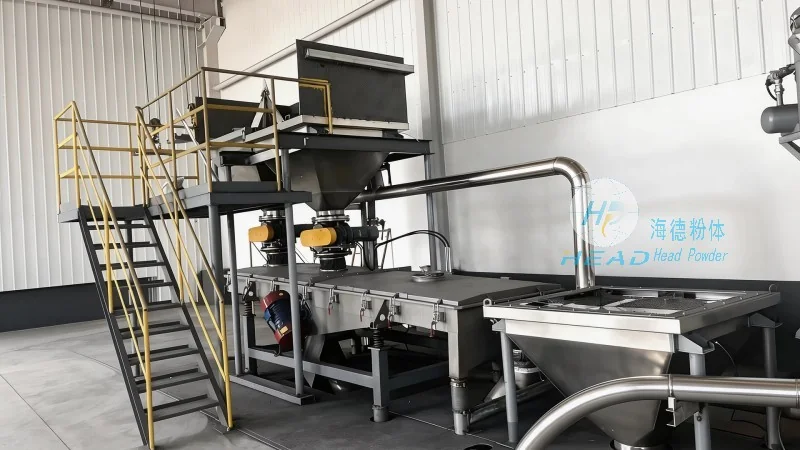
Bends and fittings are another area where design choices affect performance. Sharp bends can cause material to impact the pipe walls, leading to wear and potential blockages. Therefore, designers typically use larger radius bends or smooth transitions to minimize these effects. The number of bends and fittings should be minimized to reduce pressure drop and maintain consistent material flow. Additionally, the use of inline filters and separators is important to remove any debris or moisture from the material before it reaches the receiver, preventing system clogs and maintaining material quality.
The feeder and receiver are also critical components. The feeder must be able to consistently introduce the material into the pipeline without causing surges or blockages. For sawdust and wood flakes, screw feeders or rotary valves are commonly used, as they can handle the material's irregular shapes and varying moisture content. The receiver, or hopper, is used to collect the conveyed material and separate it from the air. It typically includes a cyclone separator or a bag filter to remove the material from the air stream. The design of the receiver must ensure that the material is discharged smoothly and without causing dust emissions or material loss.
Control systems are also an important part of the design. Modern pneumatic conveying systems often include automated controls that monitor and adjust the system's operation based on real-time data. These controls can adjust the air pressure, flow rate, or feeder speed to maintain optimal material flow and prevent overloading or underloading of the system. This not only improves efficiency but also reduces the risk of system failures and material damage.