Desulfurization gypsum, a byproduct of flue gas desulfurization in thermal power plants and other industrial facilities, requires efficient and reliable transportation methods for its handling and utilization. Pneumatic conveying systems offer a solution by enabling the transport of bulk materials like desulfurization gypsum through the use of air pressure. This article provides a comprehensive overview of negative pressure and positive pressure pneumatic conveying technologies, focusing on their principles, applications, and practical considerations in the context of desulfurization gypsum handling.
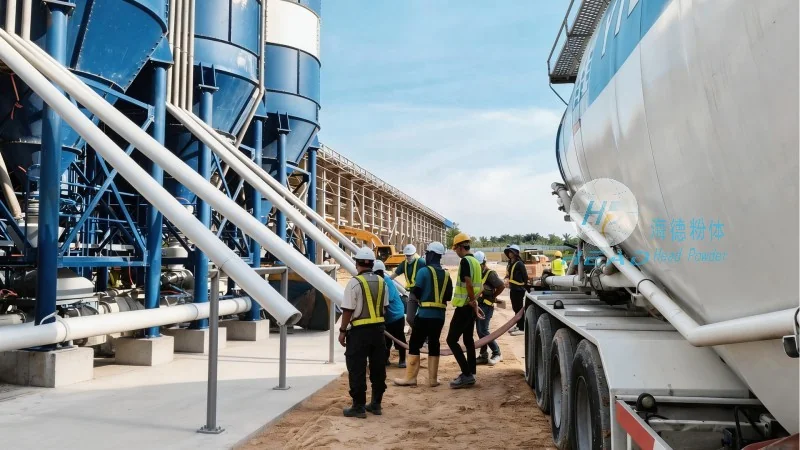
Understanding Pneumatic Conveying Systems for Desulfurization Gypsum
Pneumatic conveying systems are categorized into two primary types based on the air flow direction and pressure differentials: negative pressure (or suction) systems and positive pressure (or pressure) systems. Each system has distinct characteristics that make it suitable for different operational scenarios and material properties.
Negative Pressure Pneumatic Conveying Systems
Negative pressure systems operate by creating a vacuum at the material pickup point, drawing the gypsum particles into the conveying line using air flow. This method is particularly effective for handling fine powders and materials that are prone to dust generation. The key components of a negative pressure system include a vacuum pump, a material pickup device (such as a rotary valve or a suction hopper), and a filter system to capture any airborne particles. The system works by pulling air and material through the pipeline, which can be advantageous in environments where dust control is critical. However, negative pressure systems may have limitations in terms of conveying distance and material throughput compared to positive pressure systems.
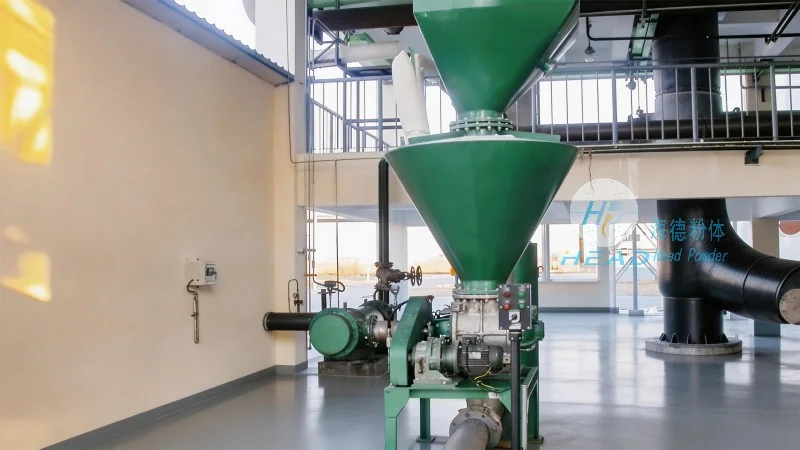
Positive Pressure Pneumatic Conveying Systems
Positive pressure systems, on the other hand, use a blower or compressor to generate air pressure that pushes the material through the conveying line. This approach is suitable for transporting larger particles or bulk materials over longer distances. The system typically includes a pressure vessel, a material feed device (like a rotary airlock or a pressure hopper), and a pipeline network. Positive pressure systems generally offer higher conveying capacities and can handle more abrasive or sticky materials. However, they may require more robust equipment to withstand higher pressures and can be less effective for fine powders that are easily suspended in air.
Key Considerations for Selecting the Right Conveying System
The choice between negative and positive pressure systems depends on several factors, including the particle size and density of the desulfurization gypsum, the required conveying distance, the need for dust control, and the overall system cost. For example, in applications where the gypsum is fine and needs to be transported over short distances with minimal dust, a negative pressure system might be preferred. Conversely, for bulk handling over longer distances or when dealing with larger particles, a positive pressure system may be more appropriate.
Application Examples in Industrial Settings
In industrial settings, desulfurization gypsum is often used as a raw material in cement production, wallboard manufacturing, and as a soil amendment. Pneumatic conveying systems are integral to the supply chain, ensuring that the gypsum is transported from the desulfurization unit to the processing plant efficiently. Companies like Shandong HeadPowder Engineering Co., Ltd., based in China, specialize in designing and implementing such systems tailored to the specific needs of power plants and industrial facilities. Their expertise in negative and positive pressure pneumatic conveying technologies helps optimize material handling processes, reduce operational costs, and enhance overall plant efficiency.
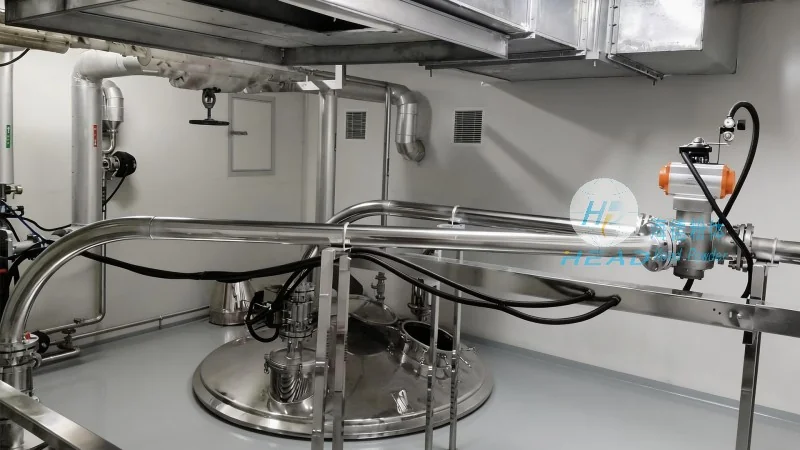
Advantages and Challenges of Each System
Both negative and positive pressure systems have their advantages and challenges. Negative pressure systems excel in dust control and are suitable for fine powders but may have lower throughput and longer startup times. Positive pressure systems offer higher throughput and can handle larger particles but may require more maintenance due to higher pressures and potential wear on components. The selection of a system should be based on a thorough analysis of the material characteristics and operational requirements to achieve the best balance of performance and cost.
Conclusion
Desulfurization gypsum pneumatic conveying technology plays a crucial role in modern industrial operations, enabling the efficient transport of this valuable byproduct. By understanding the principles and applications of negative and positive pressure systems, industrial facilities can choose the most suitable method for their specific needs. Companies like Shandong HeadPowder Engineering Co., Ltd. provide specialized solutions that integrate these technologies to enhance material handling efficiency, reduce environmental impact, and support sustainable industrial practices.




