HeadPowder, a leading provider in the field of material handling solutions, specializes in advanced pneumatic conveying systems tailored for glass beads. This article delves into the technical nuances of both vacuum and positive pressure pneumatic conveying, offering a comprehensive understanding of their applications and operational principles.
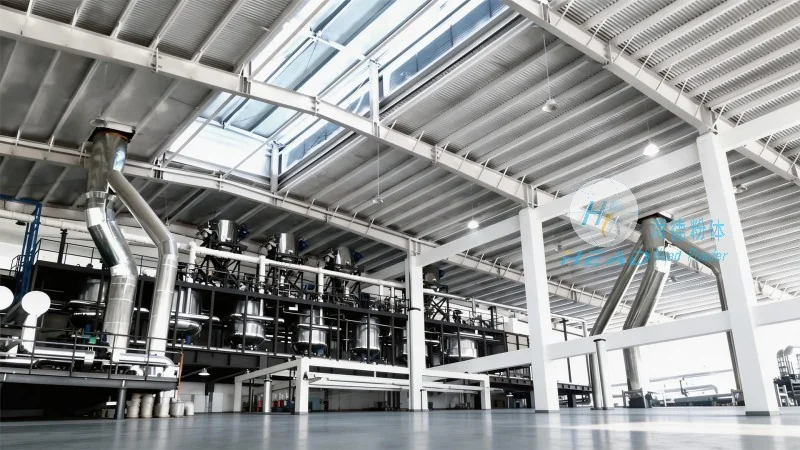
Introduction to Glass Beads Pneumatic Conveying
Glass beads are widely used in various industrial applications, including coating, polishing, and as a component in composite materials. Efficient and reliable transportation of these fine particles is crucial for maintaining product quality and operational efficiency. Pneumatic conveying offers a non-contact, dust-free method to transport glass beads, making it an ideal solution for industries where traditional bulk handling methods may pose challenges.
Vacuum Pneumatic Conveying Systems for Glass Beads
Vacuum conveying systems utilize a negative pressure environment to draw glass beads from a source to a destination. This method is particularly effective for transporting materials over moderate distances and for handling fine, light-weight particles like glass beads. The system typically consists of a vacuum pump, a hopper for material storage, and a conveying line that connects the source to the receiver. As air is drawn through the system, it carries the glass beads along, ensuring a smooth and continuous flow.
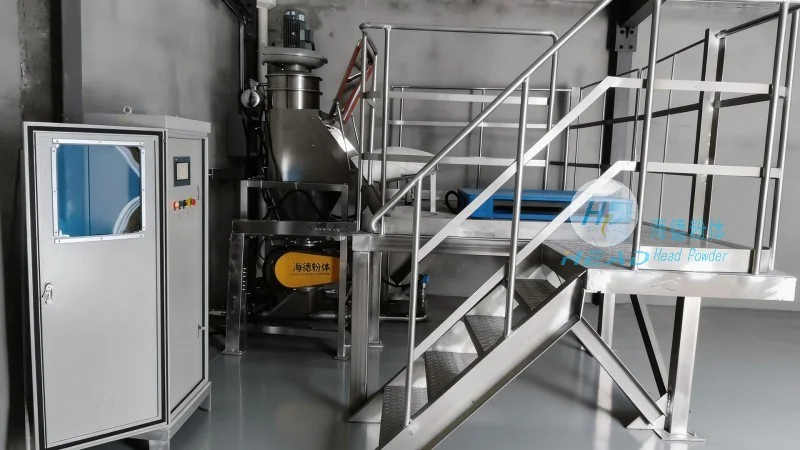
Key advantages of vacuum conveying for glass beads include its ability to handle sensitive materials without mechanical contact, reducing the risk of particle breakage or contamination. Additionally, vacuum systems are well-suited for applications where the material needs to be transported from multiple points to a central collection point, as they can be configured with multiple inlet points. The technology also allows for the integration of filtration systems to ensure that the conveyed glass beads meet stringent purity standards.
Positive Pressure Pneumatic Conveying Systems for Glass Beads
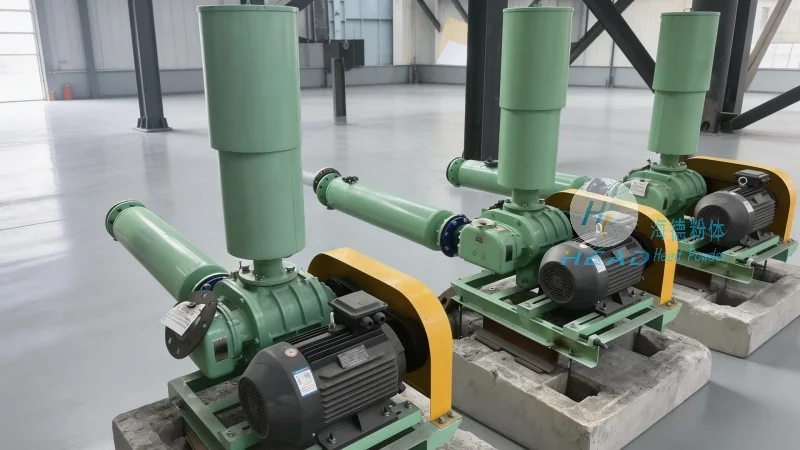
In contrast to vacuum systems, positive pressure conveying operates by forcing air and material through a pressurized system. This method is often preferred for longer distances or when dealing with larger quantities of glass beads. The system uses a blower or compressor to generate positive pressure, which pushes the material through the conveying line. Positive pressure systems are capable of handling a wider range of particle sizes and can be more efficient for high-volume applications.
One of the primary benefits of positive pressure conveying is its ability to handle abrasive or corrosive materials without significant wear on the system components. The pressurized environment also helps maintain the integrity of the glass beads during transport, minimizing the risk of degradation. Furthermore, positive pressure systems can be designed with multiple discharge points, allowing for the distribution of glass beads to several destinations from a single source.
Comparative Analysis: Vacuum vs. Positive Pressure Conveying
When selecting between vacuum and positive pressure pneumatic conveying for glass beads, several factors must be considered. The distance and layout of the conveying system are critical determinants. For short to medium distances and applications requiring gentle handling, vacuum systems are often more suitable. Positive pressure systems, however, excel in longer-distance transport and high-volume operations, where their efficiency and capacity are advantageous.
Cost and maintenance are also important considerations. Vacuum systems generally have lower initial costs and simpler maintenance requirements due to the absence of high-pressure components. Positive pressure systems, while more expensive upfront, may offer lower operational costs over time, especially in high-volume scenarios. The choice also depends on the specific characteristics of the glass beads, such as particle size, density, and moisture content, as these factors can influence the effectiveness of each system.
Application Examples in Glass Beads Processing
The versatility of pneumatic conveying systems makes them indispensable in the processing of glass beads. In coating applications, vacuum conveying is commonly used to transport fine glass beads to a coating machine, ensuring a uniform and consistent coating process. For polishing operations, positive pressure systems are often employed to deliver glass beads to polishing equipment, where the high-pressure flow helps maintain the abrasive properties of the beads.
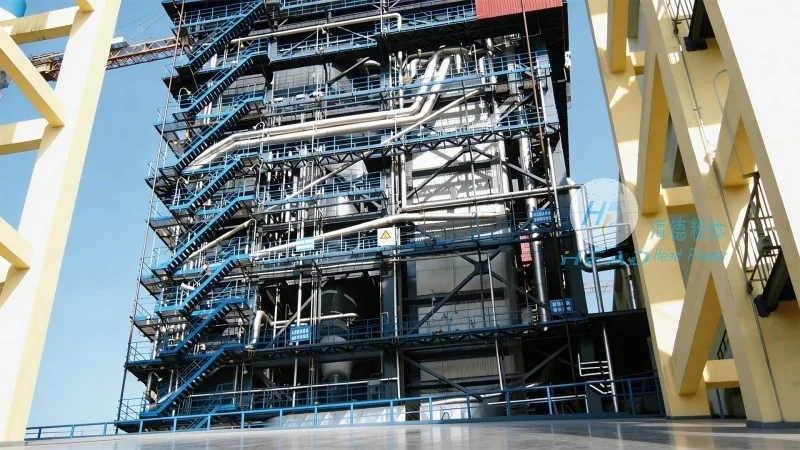
In the production of composite materials, both vacuum and positive pressure conveying can be integrated into a production line to handle glass beads from raw material storage to the final product assembly. The ability to handle glass beads in a dust-free environment is particularly valuable in industries where product purity is paramount, such as in the manufacturing of optical components or electronic substrates.
Conclusion and Recommendations
Both vacuum and positive pressure pneumatic conveying systems offer effective solutions for the transportation of glass beads, each with its own set of advantages and limitations. The optimal choice depends on the specific requirements of the application, including distance, volume, and material characteristics. HeadPowder, with its expertise in material handling, provides customized pneumatic conveying solutions that cater to the unique needs of glass beads processing industries. By leveraging advanced technology and engineering, HeadPowder ensures that glass beads are transported efficiently, reliably, and with minimal risk of contamination or degradation.




