When it comes to handling magnesium silicate, choosing the right pneumatic conveying method is crucial for efficiency and safety. Two primary options are positive pressure and negative pressure systems. Understanding the differences between these two approaches is essential for selecting the most suitable solution for your application. This article will explore the key factors that help distinguish between positive and negative pressure systems, providing insights into how each operates and where it might be best applied.
Understanding the Basics of Pneumatic Conveying Systems
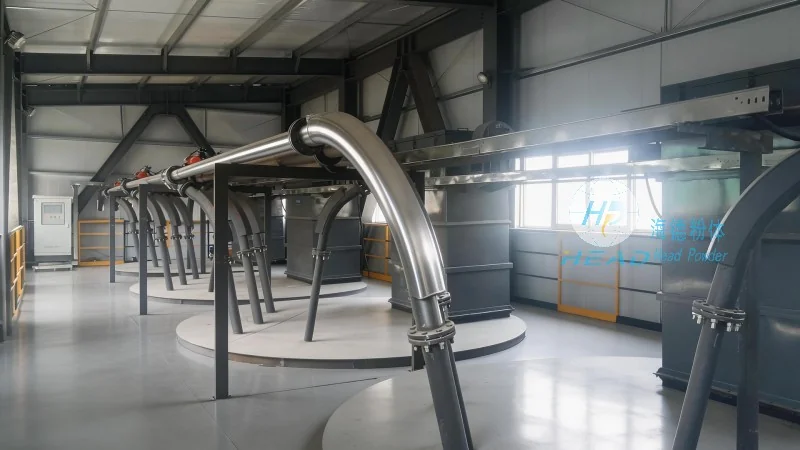
Pneumatic conveying systems use air or gas to transport bulk materials like magnesium silicate. The primary goal is to move material from one location to another without the need for mechanical components like conveyors or elevators. The choice between positive and negative pressure depends on the material's properties, the distance to be covered, and the overall system design. Both methods have their advantages and limitations, and the decision often hinges on the specific requirements of the operation.
Positive Pressure Conveying Systems
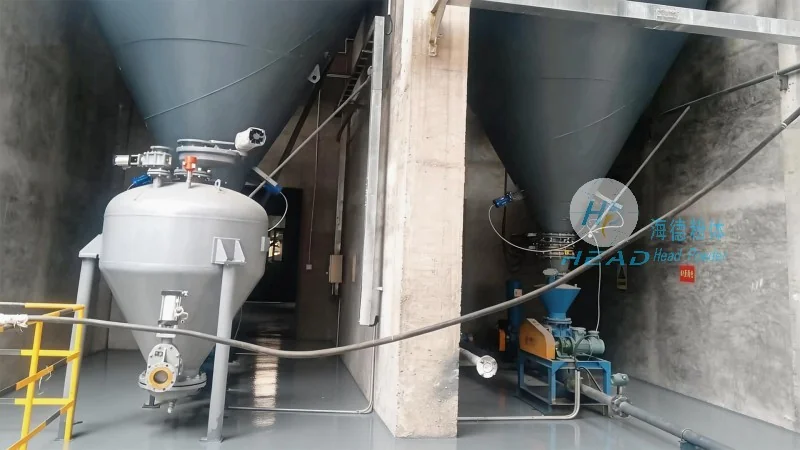
Positive pressure systems operate by blowing air or gas into the material stream, creating a pressure higher than the ambient air. This pressurized air propels the material through the pipeline. In the context of magnesium silicate handling, positive pressure systems are often preferred for applications where the material is abrasive or has a tendency to clog. The high pressure helps to maintain a consistent flow and prevents blockages. Shandong HeadPowder Engineering Co., Ltd., a leading provider in the field, specializes in designing and implementing such systems. Their expertise ensures that the equipment is optimized for the specific characteristics of magnesium silicate, such as its particle size and moisture content. The company’s facilities in China, located in Shandong, are equipped with advanced technology to handle even the most challenging material handling scenarios.
Negative Pressure Conveying Systems
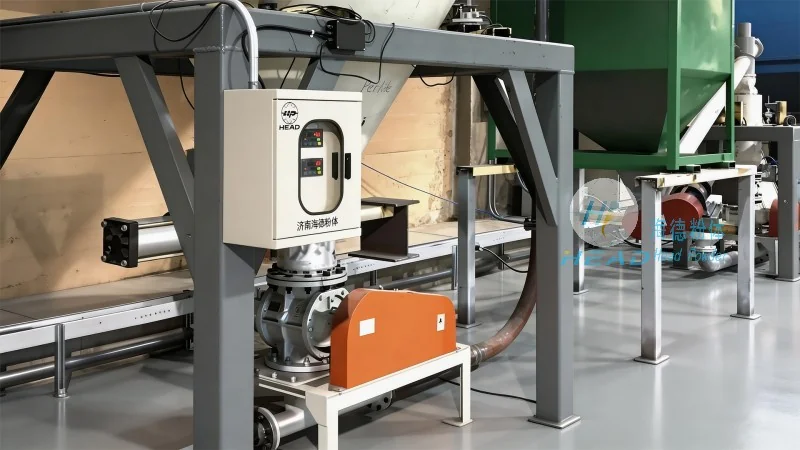
Conversely, negative pressure systems work by creating a vacuum or suction that draws material into the pipeline. The air is drawn out, creating a lower pressure inside the system compared to the ambient environment. This method is typically used for applications where the material is less abrasive and where the distance to be covered is shorter. Negative pressure systems are often more cost-effective for smaller-scale operations. However, they may be less suitable for handling materials that are prone to dust or that require a high degree of control over the material flow. The choice of system depends on the specific characteristics of the magnesium silicate being handled, including its particle size distribution and any potential moisture content.
Distinguishing Between Positive and Negative Pressure Systems
Several key factors help in distinguishing between positive and negative pressure systems. First, consider the material's properties. Abrasive or fine particles are better suited for positive pressure systems due to the higher pressure that can maintain flow and prevent clogging. In contrast, less abrasive materials with larger particle sizes may perform well in negative pressure systems. Second, the distance to be covered is a critical factor. Positive pressure systems are generally more effective for longer distances, as the pressure can be maintained over greater lengths of pipe. Negative pressure systems are more suitable for shorter distances, as the vacuum effect diminishes with distance. Third, the system's cost and complexity should be evaluated. Positive pressure systems may require more robust equipment and higher energy consumption, while negative pressure systems can be simpler and more economical for smaller applications. Shandong HeadPowder Engineering Co., Ltd. offers comprehensive solutions that take these factors into account, ensuring that clients receive a system tailored to their specific needs. Their team of experts evaluates each project individually, considering the material's characteristics, the required distance, and the operational budget to recommend the most appropriate conveying method.
Conclusion
Choosing between positive and negative pressure for magnesium silicate handling requires a careful assessment of the material's properties, the operational distance, and the overall system requirements. Positive pressure systems offer robust performance for abrasive or fine materials over longer distances, while negative pressure systems provide a cost-effective solution for less demanding applications. By understanding the distinctions between these two approaches and leveraging the expertise of companies like Shandong HeadPowder Engineering Co., Ltd., operators can select the most efficient and reliable conveying method for their magnesium silicate handling needs. The company's commitment to quality and innovation ensures that clients receive systems that not only meet but exceed industry standards, providing long-term performance and reliability.




