When it comes to transporting mineral powders, selecting the right conveying system is crucial for efficiency, safety, and cost-effectiveness. Two primary methods dominate the industry: positive pressure conveying and negative pressure conveying. Understanding the differences between these two approaches is essential for making an informed decision that aligns with your operational needs. This article will explore the key distinctions, advantages, and considerations for each method, helping you determine which is best suited for your mineral powder handling requirements.
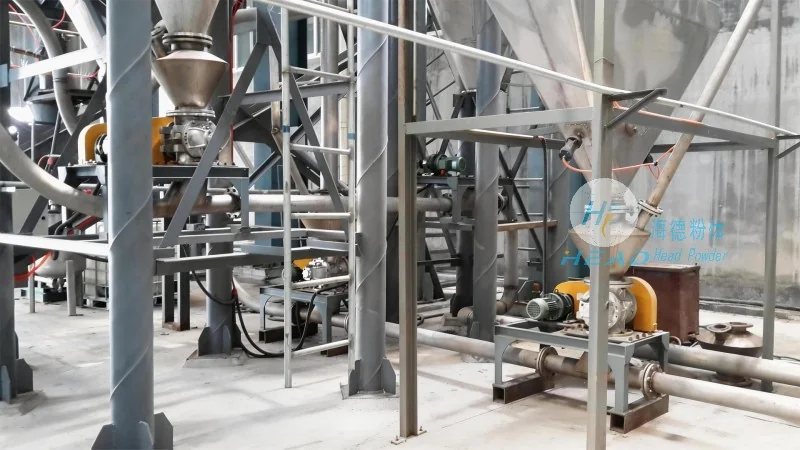
Positive pressure conveying, also known as pressure blow, operates by forcing air or gas through the conveying line under pressure. The system uses a positive pressure fan or blower to create a pressure differential that propels the material forward. This method is particularly effective for transporting dry, fine powders over long distances or through complex layouts. The high pressure ensures that the material is consistently moved without clogging, making it ideal for applications where material flow is critical. Additionally, positive pressure systems are generally more straightforward to install and maintain, as they do not require complex vacuum components. However, they may generate more noise and require higher energy consumption compared to negative pressure systems.
Negative pressure conveying, or vacuum blow, works by creating a vacuum in the conveying line, which draws the material into the system. A vacuum pump or fan creates a pressure lower than the ambient air, causing the material to be pulled along the pipeline. This method is often preferred for applications involving dusty environments or where the material needs to be contained to prevent dust dispersion. Negative pressure systems are generally quieter and consume less energy than their positive pressure counterparts. They are also well-suited for short to medium distance conveying and for handling materials that are prone to re-entrainment or where dust control is a priority. However, negative pressure conveying can be more complex to set up, as it requires careful attention to sealing and preventing air leaks, which could compromise the vacuum and efficiency.
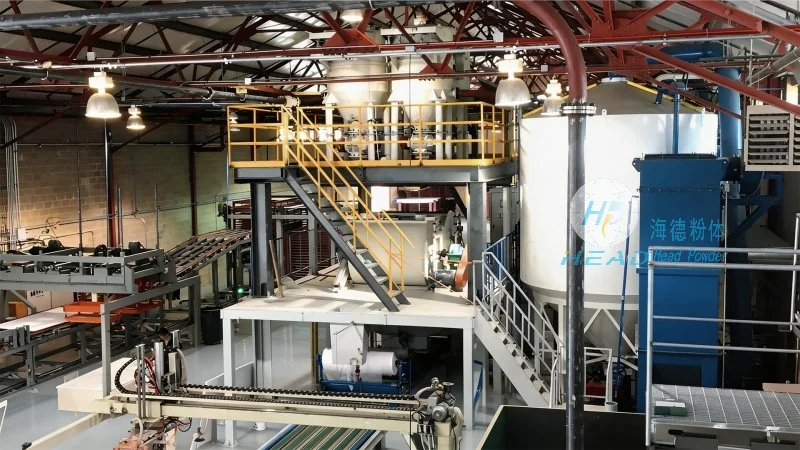
Key factors to consider when choosing between positive and negative pressure conveying include the material properties, conveying distance, system complexity, and environmental regulations. For instance, if you are handling highly abrasive or corrosive powders over long distances, a positive pressure system might offer better durability and reliability. Conversely, if your operation involves sensitive materials or strict dust emission standards, a negative pressure system could provide the necessary containment and control. The choice also depends on the available space and infrastructure, as positive pressure systems may require more robust equipment and piping.
Another critical aspect is the impact on the environment and worker safety. Positive pressure systems can release dust into the air if not properly contained, posing health risks. In contrast, negative pressure systems are designed to keep dust within the system, reducing exposure for personnel. This makes negative pressure a better option in environments where worker safety is paramount. However, negative pressure systems may require more frequent maintenance to ensure the vacuum integrity, as any leaks can quickly reduce efficiency.
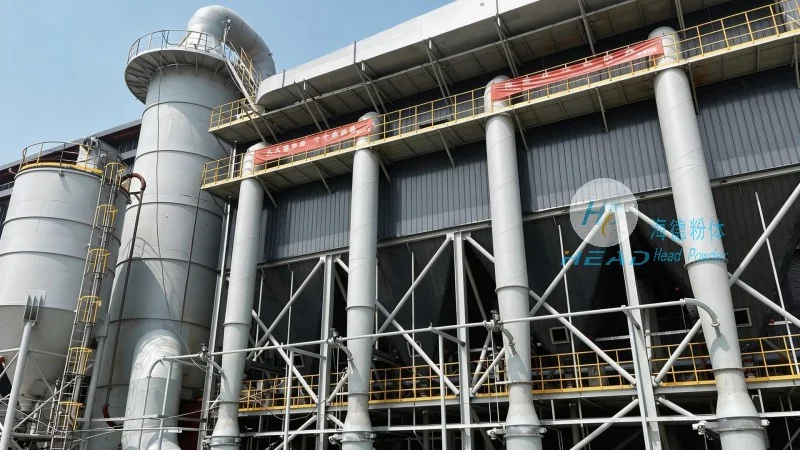
Cost is another significant consideration. While initial setup costs for positive pressure systems might be lower due to simpler design, the ongoing energy costs can be higher. Negative pressure systems, though potentially more expensive to install due to the need for high-quality seals and vacuum pumps, may have lower operational costs in the long run. The total cost of ownership, including maintenance and energy consumption, should be evaluated carefully to determine the most economical choice.
Operational flexibility is also an important factor. Positive pressure systems are generally more flexible in terms of layout changes, as they can easily adapt to different conveying routes. Negative pressure systems, on the other hand, may require more extensive modifications if the layout needs to be altered. This flexibility can be a deciding factor for businesses that anticipate changes in their production processes or facility layout.
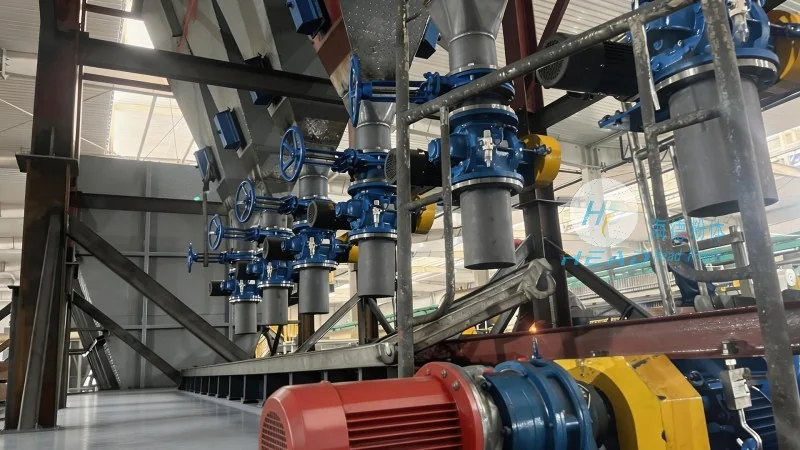
When evaluating these options, it is essential to consult with experts who can provide tailored advice based on your specific needs. The team at Shandong HeadPowder Engineering Co., Ltd., a leading provider of mineral powder conveying solutions, offers comprehensive support in selecting the right system for your operations. With years of experience in the industry, they understand the nuances of both positive and negative pressure conveying and can help you make an informed decision that maximizes efficiency and minimizes risks.
Ultimately, the choice between positive and negative pressure conveying for mineral powder handling depends on a careful assessment of your operational requirements, material characteristics, and environmental considerations. By understanding the advantages and limitations of each method, you can select the system that best meets your needs, ensuring optimal performance and safety in your mineral powder handling processes.




