HeadPowder, a leading engineering firm based in Shandong, China, specializes in the design and implementation of advanced pneumatic conveying systems tailored for the handling of raw materials used in lithium-ion battery production. This article provides a detailed overview of the system design principles, key components, and practical applications of such systems, emphasizing efficiency, reliability, and scalability in material transport for battery manufacturing processes.
Introduction to Pneumatic Conveying Systems for Lithium-Ion Battery Raw Materials
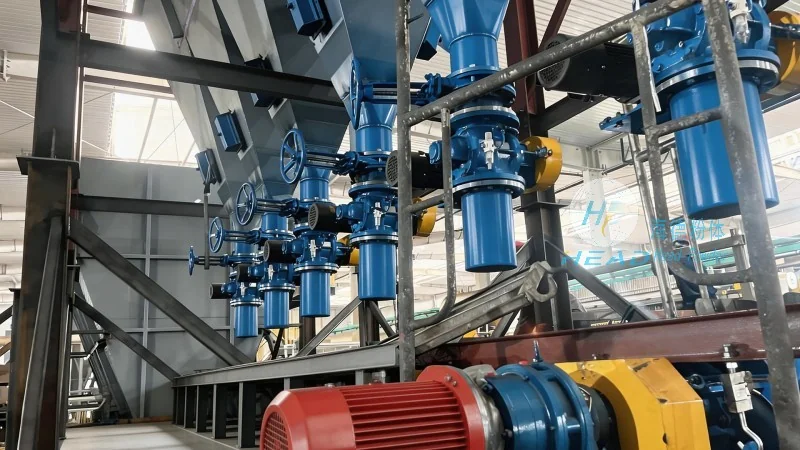
Pneumatic conveying systems represent a critical technology in the modern battery manufacturing industry, offering a non-contact, dust-free, and highly efficient method for transporting various raw materials such as lithium compounds, cobalt, nickel, manganese, and other powders and granules. Unlike traditional mechanical conveying methods, pneumatic systems utilize air or gas to move materials through pipelines, reducing contamination risks and minimizing the need for manual handling. For lithium-ion battery manufacturers, the reliability and precision of these systems are paramount, as any inefficiency or material loss can directly impact production quality and cost-effectiveness.
Key Design Considerations for Efficient Material Handling
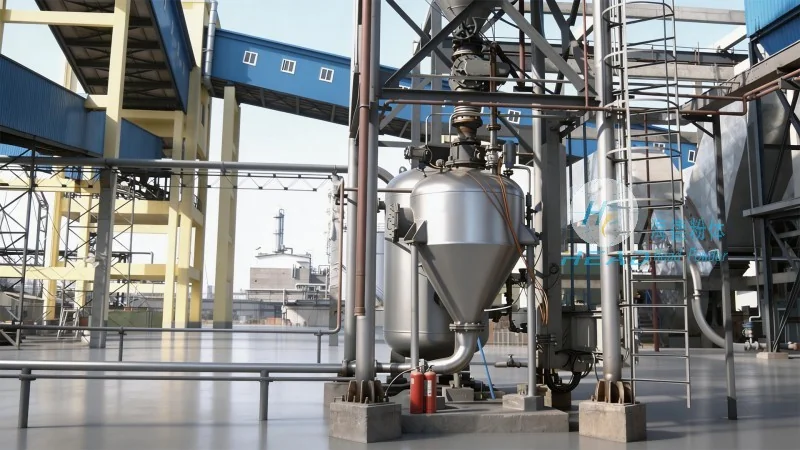
The design of a pneumatic conveying system for lithium-ion battery raw materials involves several critical factors that ensure optimal performance. First, material characteristics play a pivotal role; different raw materials have varying particle sizes, densities, and flow properties, which dictate the choice of conveying type (e.g., dilute-phase or dense-phase). For instance, fine powders like lithium carbonate may require dilute-phase systems with high air velocities to prevent clogging, while bulkier materials like cobalt oxide might benefit from dense-phase systems that use lower air velocities and higher material concentrations. Additionally, system layout and pipeline configuration are essential, as the arrangement of feed hoppers, cyclones, and collection tanks must be optimized to minimize pressure drops and ensure smooth material flow. HeadPowder engineers carefully analyze these factors to design systems that meet specific production requirements, balancing throughput, energy consumption, and operational safety.
Components and Technology in the System Design
A typical pneumatic conveying system for lithium-ion battery raw materials consists of several core components, each contributing to the overall functionality and efficiency. The system typically includes a material feed hopper equipped with a rotary valve or feeder to control the material discharge rate, ensuring a consistent flow into the pipeline. The conveying pipeline itself is made of corrosion-resistant materials such as stainless steel or PTFE-coated tubing to accommodate the chemical properties of battery raw materials. Air or gas is supplied by a blower or compressor, which generates the necessary pressure to move the material through the system. At the receiving end, cyclones or filters are used to separate the material from the air stream, with the material being collected in a storage bin or processing unit. The system may also incorporate sensors and control panels to monitor pressure, flow rates, and material levels, enabling real-time adjustments and preventing system failures. HeadPowder utilizes advanced control technologies, such as PLC (Programmable Logic Controller) systems, to automate the operation of these components, enhancing system reliability and reducing human error.
Application Benefits and Performance Metrics
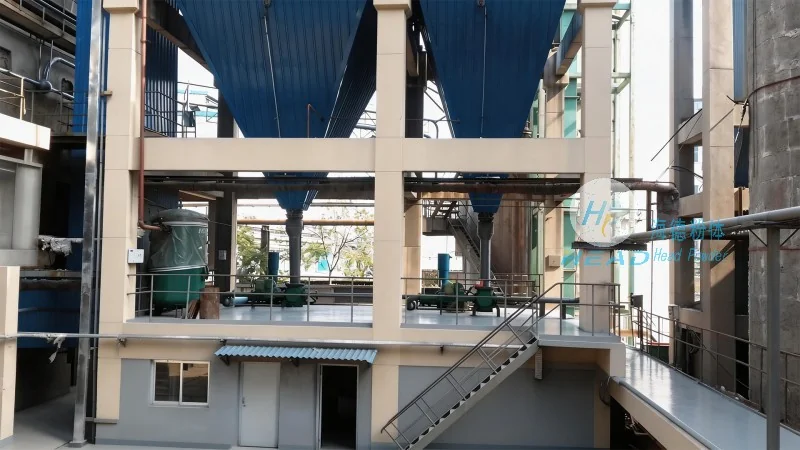
The implementation of a well-designed pneumatic conveying system for lithium-ion battery raw materials offers numerous benefits to manufacturers. Primarily, it enhances material handling efficiency by reducing downtime and minimizing material loss, which directly improves production throughput and reduces operational costs. The non-contact nature of the system prevents contamination, ensuring that raw materials remain pure and free from dust or debris, which is crucial for maintaining the quality of battery cells. Additionally, pneumatic systems provide flexibility in system layout, allowing materials to be transported over long distances or between different production stages without the need for complex mechanical linkages. Performance metrics such as throughput capacity, pressure drop, and energy consumption are carefully evaluated during the design phase to ensure the system meets the specific demands of the battery manufacturing process. HeadPowder’s systems are engineered to achieve high throughput rates while maintaining low energy consumption, making them a cost-effective solution for large-scale battery production facilities.
Company Profile: Shandong HeadPowder Engineering Co., Ltd.
HeadPowder, with its headquarters in Shandong, China, is a reputable engineering company specializing in the design, manufacturing, and installation of pneumatic conveying systems for various industrial applications, including the battery industry. The company has extensive experience in developing customized solutions tailored to the unique needs of clients, leveraging advanced engineering expertise and state-of-the-art technology. HeadPowder’s team of engineers and technicians works closely with clients to understand their production requirements, conduct thorough material analysis, and develop comprehensive system designs that meet industry standards and regulatory requirements. The company’s commitment to quality and customer satisfaction has earned it a strong reputation in the market, with numerous successful projects completed for leading battery manufacturers worldwide. HeadPowder continues to innovate and improve its systems, staying at the forefront of technological advancements in material handling for lithium-ion battery production.




