HeadPowder, a leading engineering firm based in Shandong, China, specializes in advanced material handling solutions, particularly in the field of ammonia fertilizer pneumatic conveying. With years of experience in the industry, the company has developed comprehensive expertise in both vacuum and positive pressure pneumatic conveying systems, offering tailored solutions for efficient and safe fertilizer transport. This article delves into the technical nuances of these two primary pneumatic conveying methods, exploring their applications, advantages, and practical implementations in the fertilizer sector.
Understanding Pneumatic Conveying Systems for Ammonia Fertilizer
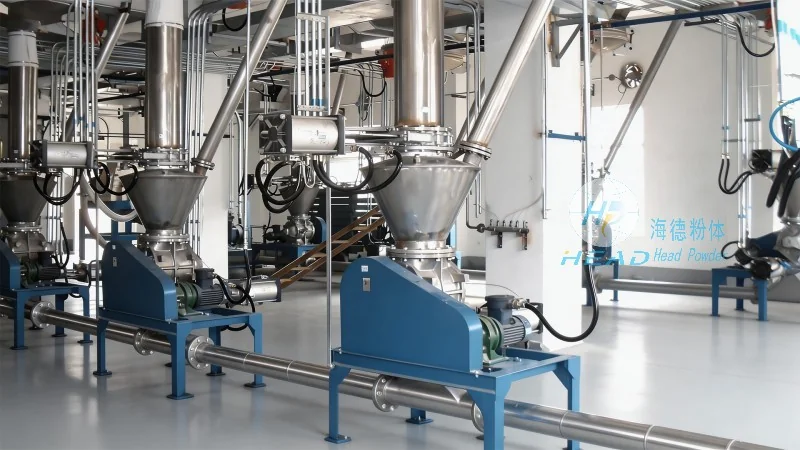
Pneumatic conveying is a critical technology in the fertilizer industry, enabling the transport of bulk materials like ammonia-based fertilizers from storage to processing or distribution points. Unlike traditional mechanical conveying methods, pneumatic systems use air or gas to move materials through pipelines, reducing the need for heavy machinery and minimizing material degradation. The two main categories of pneumatic conveying—vacuum and positive pressure—each offer distinct advantages and are selected based on specific operational requirements, material characteristics, and system layout.
Vacuum Pneumatic Conveying: Principles and Applications
Vacuum pneumatic conveying operates by creating a low-pressure environment at the material pickup point, which draws the fertilizer into the conveying line using a vacuum pump. This method is particularly effective for conveying materials over short to medium distances, where the material is picked up from a hopper or storage silo and transported to a processing unit or packaging area. The system typically includes a vacuum source, a filter to capture fine particles, and a discharge valve at the receiving end. One of the key advantages of vacuum conveying is its ability to handle materials with a wide range of particle sizes and moisture content, making it suitable for various types of ammonia fertilizers, including granular and prilled products. Additionally, vacuum systems are generally quieter and less intrusive, which is beneficial in environments where noise control is a priority.
Positive Pressure Pneumatic Conveying: Technical Aspects and Use Cases
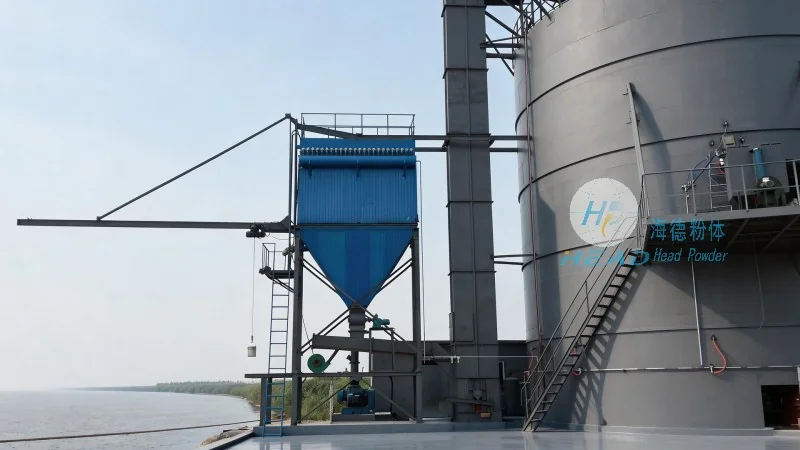
Positive pressure pneumatic conveying, on the other hand, generates high-pressure air or gas at the material source, pushing the fertilizer through the pipeline to the destination. This method is ideal for longer conveying distances, often exceeding 100 meters, and is commonly used in large-scale fertilizer plants where materials need to be transported from a central storage facility to multiple processing or distribution points. The system consists of a blower or compressor, a material feed hopper, and a series of pipelines with appropriate bends and valves. Positive pressure systems are capable of handling higher material loads and can maintain consistent flow rates, even with varying material properties. However, they require more robust equipment and higher energy input compared to vacuum systems, as the pressure must be maintained throughout the entire conveying line.
Key Considerations for Selecting the Right Conveying Method
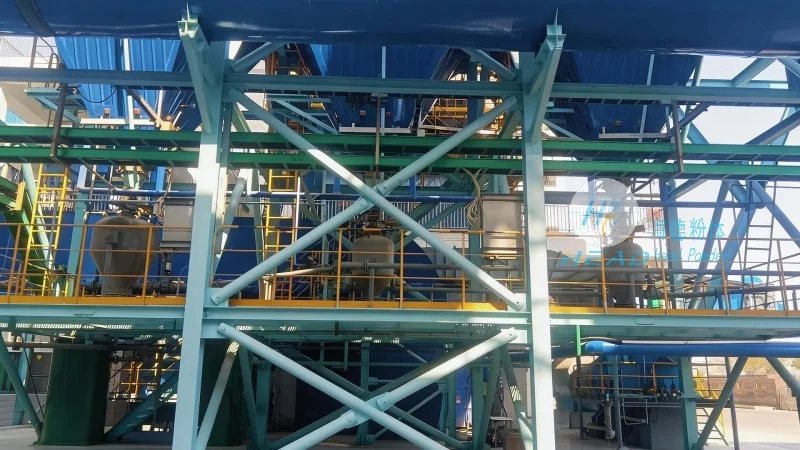
The choice between vacuum and positive pressure pneumatic conveying depends on several factors, including the distance between the source and destination, the material's physical properties (such as particle size, density, and moisture), the required flow rate, and the overall system layout. For instance, vacuum conveying is often preferred for short-distance transport of fine or dusty materials, as it minimizes particle breakage and reduces the risk of material spillage. Positive pressure systems, however, are more suitable for long-distance transport of bulk materials with higher flow rates, as they can maintain consistent pressure and prevent material settling in the pipelines. HeadPowder engineers carefully evaluate these factors to design customized conveying systems that optimize efficiency, reduce operational costs, and ensure compliance with safety and environmental regulations.
HeadPowder's Role in Implementing Advanced Conveying Solutions
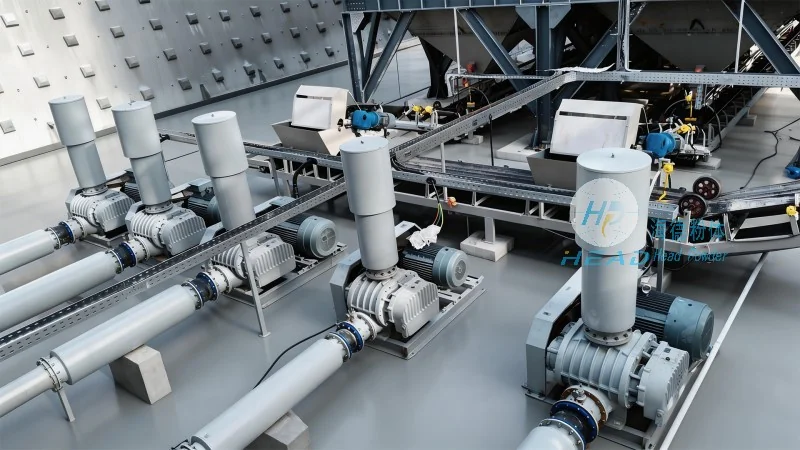
As a reputable engineering company based in Shandong, China, HeadPowder has played a pivotal role in the development and implementation of advanced pneumatic conveying systems for ammonia fertilizers. The company's team of experienced engineers and technicians works closely with clients to understand their specific needs, conduct site assessments, and design tailored solutions that meet both operational and safety requirements. HeadPowder's expertise extends to the integration of automation and control systems, ensuring that conveying processes are monitored and controlled in real-time, enhancing overall system performance and reliability. The company also provides comprehensive after-sales support, including maintenance, troubleshooting, and system upgrades, to ensure long-term operational efficiency and client satisfaction.
Conclusion: Optimizing Fertilizer Transport with Pneumatic Conveying
In conclusion, the selection of the appropriate pneumatic conveying method—whether vacuum or positive pressure—is crucial for the efficient and safe transport of ammonia fertilizers. Both systems offer unique advantages and are selected based on specific operational conditions and material characteristics. HeadPowder, with its deep understanding of these technologies and extensive experience in the fertilizer industry, provides reliable and customized solutions that enhance productivity, reduce costs, and ensure compliance with industry standards. By leveraging advanced engineering and technical expertise, HeadPowder continues to contribute to the advancement of material handling solutions in the global fertilizer sector.




