Efficient and reliable material handling is crucial in industrial processes, especially when dealing with powders like gypsum and plaster. The design of a pneumatic conveying system for such materials requires careful consideration of particle characteristics, flow dynamics, and operational efficiency. This article explores the key aspects of designing a pneumatic conveying system specifically for gypsum and plaster powders, highlighting the expertise of Shandong HeadPowder Engineering Co., Ltd., a leading provider in the field.
Understanding Gypsum and Plaster Powder Properties
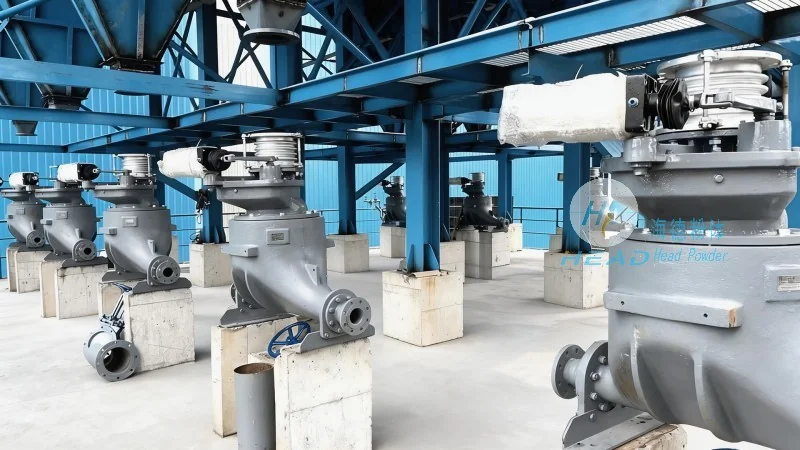
Gypsum and plaster powders are widely used in construction, pharmaceuticals, and other industries due to their versatility and ease of processing. These materials typically exhibit fine particle sizes, which can pose challenges during transportation. The density, moisture content, and flowability of the powder are critical factors that influence the selection of an appropriate conveying method. For instance, gypsum powders often have a relatively low bulk density, making them prone to bridging or agglomeration in traditional conveying systems. Plaster powders, on the other hand, may have higher moisture content, requiring specialized handling to prevent caking or degradation.
The Advantages of Pneumatic Conveying for Gypsum and Plaster
Pneumatic conveying offers several advantages over traditional mechanical systems for transporting gypsum and plaster powders. One of the primary benefits is the ability to handle fine particles without significant wear and tear on equipment. Unlike screw conveyors or belt conveyors, which can cause particle attrition and degradation, pneumatic systems use air as the medium to move materials, minimizing mechanical contact. This results in higher product quality and reduced maintenance costs. Additionally, pneumatic conveying systems can be designed for both low and high-pressure operations, allowing flexibility in system layout and material transport distances. The system's ability to handle vertical and horizontal transport simultaneously makes it ideal for complex industrial setups where space is limited.
Key Components of a Gypsum and Plaster Pneumatic Conveying System
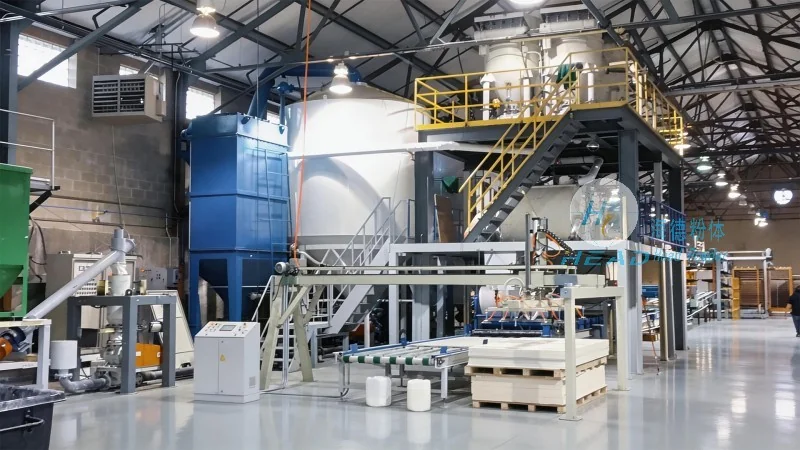
A well-designed pneumatic conveying system for gypsum and plaster powders consists of several essential components that work in harmony to ensure efficient material transport. The primary components include a material feeder, which ensures a consistent flow of powder into the system. The feeder is typically equipped with a hopper and a rotary valve to control the discharge rate and prevent material buildup. The air source, usually a blower or a compressor, provides the necessary pressure and volume to move the powder through the pipeline. The conveying pipeline itself is made of materials resistant to corrosion and abrasion, such as stainless steel or polyethylene, to withstand the abrasive nature of gypsum and plaster particles. A control system, including pressure sensors and flow meters, monitors the system's performance and adjusts the air flow as needed to maintain optimal conveying conditions. Finally, a dust collection or filtration system is integrated to capture any airborne particles and ensure compliance with environmental regulations.
Design Considerations for Optimal Performance
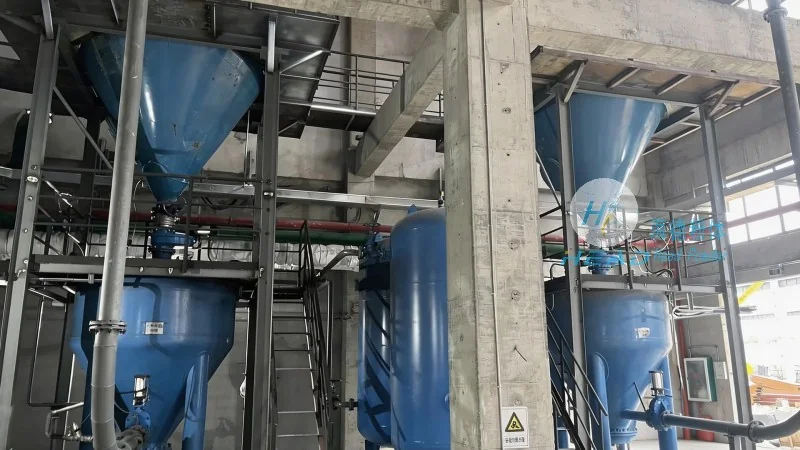
Designing a pneumatic conveying system for gypsum and plaster powders involves several technical considerations to ensure maximum efficiency and reliability. The first consideration is the selection of the appropriate conveying method, such as dilute phase or dense phase, based on the material's properties and transport requirements. Dilute phase systems use low air velocities to transport particles in a suspended state, while dense phase systems use higher air velocities to push particles in a slurry-like state. The choice between these methods depends on factors like the distance to be covered, the required material flow rate, and the need to minimize particle degradation. Another critical factor is the system's pressure drop, which must be carefully calculated to ensure sufficient air pressure to move the material without excessive energy consumption. The pipeline layout, including the number of bends, elbows, and expansion joints, also impacts the system's performance and must be optimized to minimize pressure losses. Additionally, the system's capacity and scalability are important considerations, as industrial processes often require adjustments to production levels over time.
Case Studies and Real-World Applications
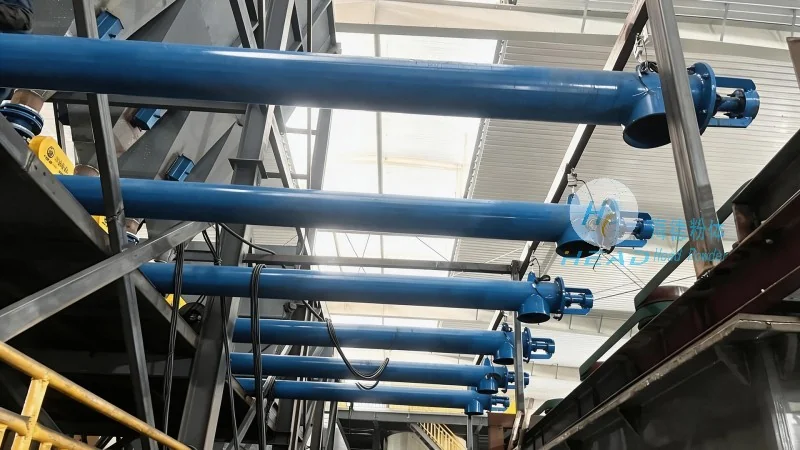
Shandong HeadPowder Engineering Co., Ltd. has successfully implemented numerous pneumatic conveying systems for gypsum and plaster powders across various industries. For example, in a construction materials plant, the company designed a low-pressure dilute phase system to transport gypsum powder from storage silos to a production line. The system was configured with a rotary valve feeder, a centrifugal blower, and a stainless steel pipeline network. The design ensured a consistent flow rate of 5 tons per hour, with minimal particle degradation and low energy consumption. In another application, a pharmaceutical company required a dense phase system to transport plaster powder for tablet manufacturing. The system was equipped with a positive displacement blower and a filtration system to meet stringent quality standards. These case studies demonstrate the effectiveness of pneumatic conveying systems in handling fine powders and the expertise of HeadPowder in customizing solutions to meet specific client needs.
Conclusion and Future Trends
In conclusion, the design of a pneumatic conveying system for gypsum and plaster powders is a complex but essential process that requires a deep understanding of material properties and system dynamics. By leveraging advanced engineering principles and specialized equipment, companies like Shandong HeadPowder Engineering Co., Ltd. can provide efficient and reliable solutions that enhance productivity and reduce operational costs. As industrial demands continue to evolve, the importance of optimized material handling systems will only grow, making the expertise in pneumatic conveying design increasingly valuable. With its commitment to quality and innovation, HeadPowder remains at the forefront of providing tailored solutions for the transportation of gypsum and plaster powders, ensuring that clients achieve their operational goals while maintaining the highest standards of product quality and environmental compliance.




