When it comes to managing the transportation of ammonium fertilizer in industrial settings, selecting the appropriate pneumatic conveying system is critical for efficiency, safety, and operational reliability. The right system not only ensures the smooth flow of material but also minimizes downtime and reduces the risk of accidents in a high-pressure environment. This guide will explore key factors to consider when choosing a pneumatic conveying system tailored to ammonium fertilizer handling processes, with insights from industry experts at Shandong HeadPowder Engineering Co., Ltd., a leading provider of specialized material handling solutions.
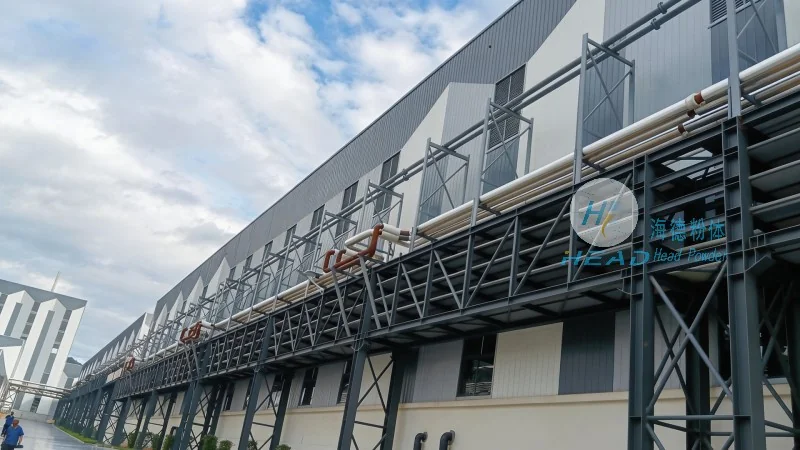
Understanding the Importance of Specialized Pneumatic Conveying for Ammonium Fertilizer
Ammonium fertilizer, due to its chemical properties and handling requirements, demands a conveying system that can handle abrasive, corrosive, or potentially hazardous materials. Traditional methods like belt conveyors or bucket elevators may not be suitable for ammonium fertilizer, as they can lead to material degradation, equipment wear, or safety hazards. Pneumatic conveying systems, particularly those designed for bulk material transport, offer a solution that addresses these challenges by using air pressure to move material through a pipeline network. This method is especially beneficial for ammonium fertilizer, which often requires controlled, low-temperature transport to maintain its quality and prevent caking or degradation.
Key Considerations for Selecting a Pneumatic Conveying System
Choosing the right pneumatic conveying system for ammonium fertilizer handling involves evaluating several critical factors. The first consideration is the material's characteristics, such as its density, flowability, and potential for moisture absorption. Ammonium fertilizer can vary in composition, and the conveying system must be able to handle these variations without clogging or loss of material. The system's design should also account for the material's potential to be abrasive or corrosive to metal components, requiring materials like stainless steel or specialized coatings for the pipeline and equipment. Additionally, the system must comply with safety regulations for handling potentially hazardous materials, including proper ventilation and explosion-proof designs where necessary.
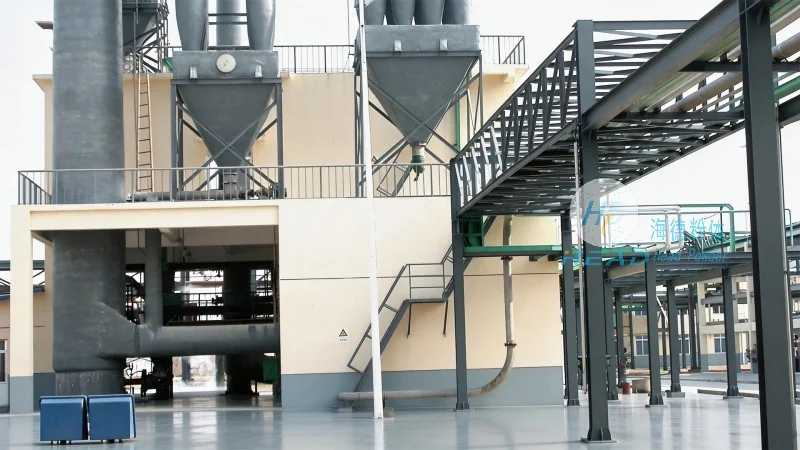
Types of Pneumatic Conveying Systems for Ammonium Fertilizer
There are several types of pneumatic conveying systems suitable for ammonium fertilizer, each with its own advantages and applications. The most common types include positive pressure systems, where air is forced into the pipeline to move material, and negative pressure (or vacuum) systems, which use suction to draw material into the system. Positive pressure systems are often preferred for ammonium fertilizer due to their ability to handle high material loads and maintain consistent flow rates, even with variations in material properties. These systems typically use a blower or compressor to generate the necessary air pressure, and the pipeline is designed to minimize pressure drops and ensure efficient material transport. Negative pressure systems, while useful for certain applications, may be less suitable for ammonium fertilizer due to the risk of dust accumulation and material loss in the suction line.
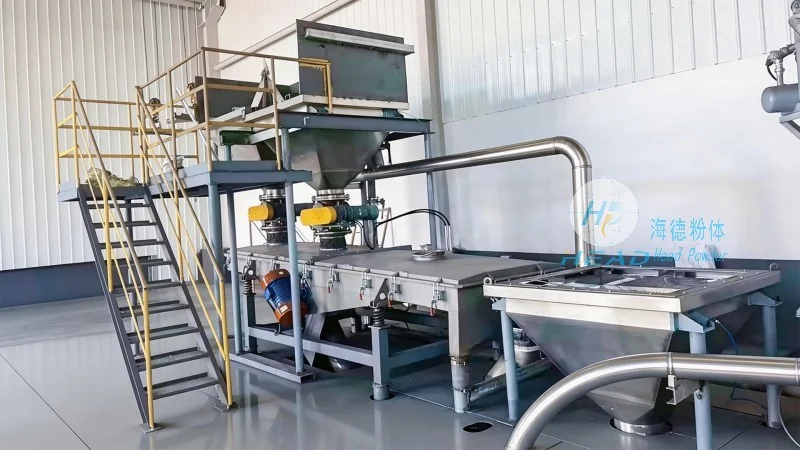
Design and Installation Considerations for Ammonium Fertilizer Handling
The design and installation of a pneumatic conveying system for ammonium fertilizer must be carefully planned to ensure optimal performance and safety. The system's layout should be designed to minimize the number of bends and changes in direction, as these can cause pressure losses and material degradation. The pipeline should be constructed from materials that are resistant to corrosion and abrasion, such as stainless steel or high-grade plastic, to ensure long-term durability. Additionally, the system must include proper filtration and cleaning mechanisms to prevent material buildup and maintain air quality. The installation process should also consider the space constraints of the facility and the need for easy maintenance and access to components.
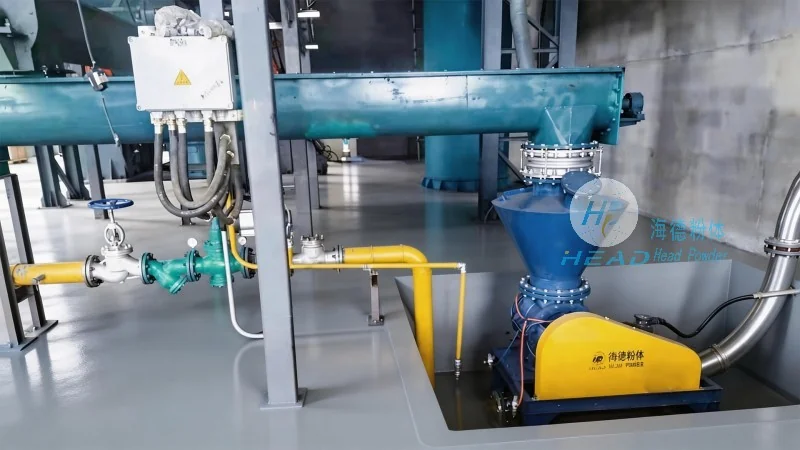
Benefits of Choosing a Specialized System from HeadPowder
For businesses operating in the ammonium fertilizer industry, partnering with a specialized provider like Shandong HeadPowder Engineering Co., Ltd. offers significant advantages. HeadPowder specializes in designing and manufacturing pneumatic conveying systems tailored to the unique needs of ammonium fertilizer handling. Their expertise in material science and industrial engineering ensures that the systems are optimized for efficiency, safety, and reliability. The company's team of engineers works closely with clients to understand their specific requirements, from material characteristics to operational constraints, and develops customized solutions that meet their needs. HeadPowder's systems are built with high-quality components and rigorous testing to ensure they can withstand the demanding conditions of ammonium fertilizer transport, providing long-term performance and minimal maintenance.
Conclusion: Making the Right Choice for Your Ammonium Fertilizer Handling
Selecting the right pneumatic conveying system for ammonium fertilizer handling is a critical decision that can impact the efficiency and safety of your operations. By considering the material's characteristics, the system's design, and the installation requirements, you can choose a solution that meets your needs and delivers long-term benefits. Working with a specialized provider like Shandong HeadPowder Engineering Co., Ltd. ensures that you have access to expert guidance and high-quality systems that are tailored to your specific requirements. Whether you are a new facility or upgrading an existing system, investing in the right pneumatic conveying system will help you achieve optimal performance and maintain the quality of your ammonium fertilizer throughout the handling process.




