Efficient and reliable material handling is a critical requirement in industries dealing with bulk materials such as sand and soil. Pneumatic conveying systems have emerged as a preferred solution due to their ability to transport these materials over long distances with minimal maintenance and operational complexity. This article focuses on the design principles and key considerations for pneumatic conveying systems specifically tailored for sand and soil applications, highlighting the expertise of Shandong HeadPowder Engineering Co., Ltd., a leading manufacturer in the field.
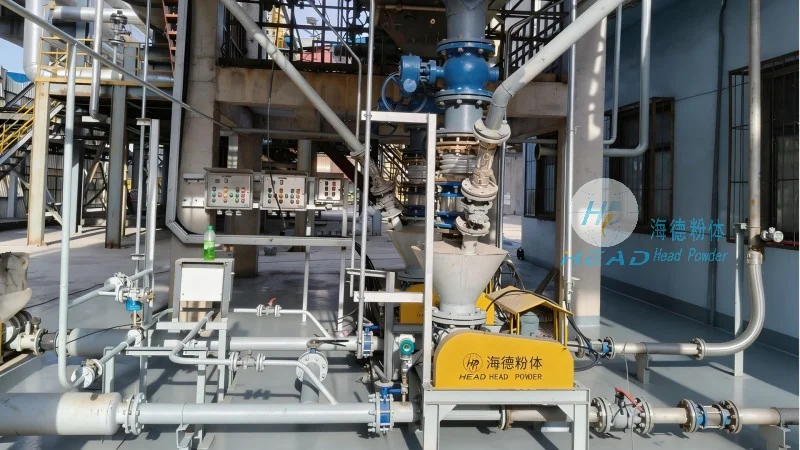
Introduction to Pneumatic Conveying for Sand and Soil
Sand and soil are common bulk materials used in construction, mining, and environmental remediation projects. Traditional methods like belt conveyors or bucket elevators may face challenges when handling these materials, particularly in terms of dust control, material degradation, and operational efficiency. Pneumatic conveying systems offer a viable alternative by utilizing air pressure to move materials through a closed pipeline system. This approach not only reduces the risk of dust exposure but also minimizes the need for physical contact with the material, preserving its quality and reducing wear on equipment.
HeadPowder: A Specialist in Pneumatic Conveying Solutions
Shandong HeadPowder Engineering Co., Ltd., commonly known as HeadPowder, is a prominent company based in Shandong, China, dedicated to providing high-quality pneumatic conveying systems. With years of experience in the industry, HeadPowder has established itself as a trusted partner for businesses seeking efficient material handling solutions. The company specializes in designing and manufacturing customized pneumatic conveying systems that meet the unique requirements of clients across various sectors.
Key Design Considerations for Sand and Soil Pneumatic Conveying
The successful design of a pneumatic conveying system for sand and soil involves several critical factors. First, the material's properties, such as particle size, density, and moisture content, must be thoroughly analyzed. These characteristics influence the selection of the appropriate conveying method—whether it's a dilute-phase or dense-phase system. Dilute-phase systems are suitable for transporting materials over short to medium distances, while dense-phase systems are ideal for longer distances or when higher material concentrations are required.
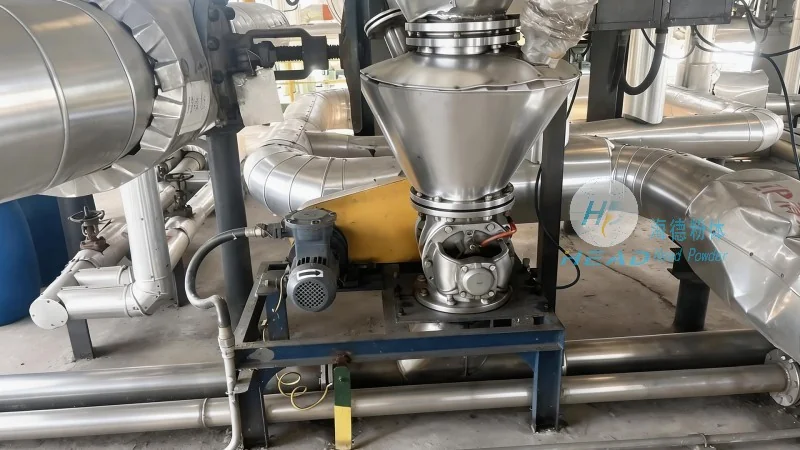
Second, the system's capacity and flow rate are determined based on the production needs of the client. HeadPowder engineers work closely with clients to assess their material handling requirements and design systems that can handle the desired throughput. This includes selecting the right type of air compressor, which is a crucial component in pneumatic conveying systems, as it provides the necessary pressure to move the material through the pipeline.
System Components and Their Functions
A typical pneumatic conveying system for sand and soil consists of several key components, each playing a vital role in the overall operation. The primary components include the material feeder, which ensures a consistent flow of sand or soil into the system; the air compressor, which generates the pressure needed to transport the material; the pipeline network, which carries the material and air mixture; the separation equipment, such as cyclones or filters, which separates the material from the air at the end of the conveying line; and the control system, which monitors and regulates the operation of the entire system.
Material feeders are designed to handle the specific characteristics of sand and soil, ensuring that the material is fed into the pipeline without causing blockages or uneven flow. For example, rotary valves or screw feeders are commonly used to provide a steady supply of material. The air compressor, often a positive displacement type, provides the necessary pressure to move the material through the pipeline. The pipeline network is typically made of stainless steel or other corrosion-resistant materials to withstand the abrasive nature of sand and soil.
Advantages of Pneumatic Conveying for Sand and Soil
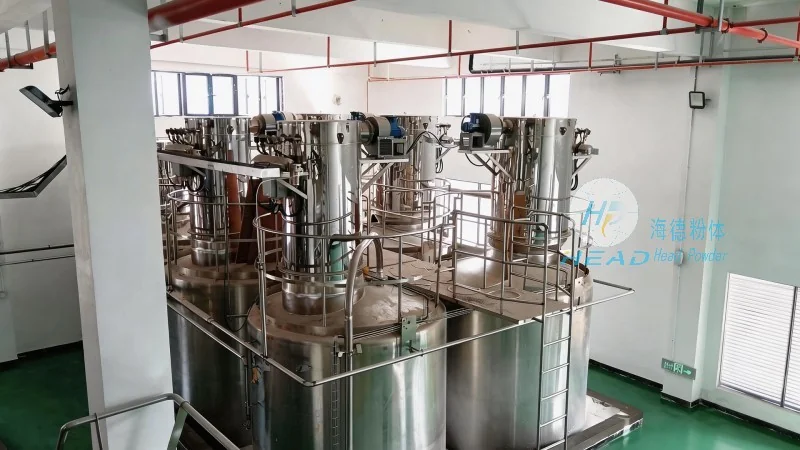
Pneumatic conveying systems offer numerous advantages when handling sand and soil. One of the most significant benefits is the reduction in dust generation compared to traditional methods. By keeping the material enclosed within the pipeline, the system minimizes the release of dust into the environment, improving workplace safety and compliance with environmental regulations. Additionally, pneumatic conveying systems are more energy-efficient than other methods, as they can transport materials over longer distances with less power consumption.
Another advantage is the ability to handle a wide range of material sizes and shapes. Sand and soil often contain particles of varying diameters, and pneumatic conveying systems can accommodate these variations without causing operational issues. The system's flexibility also allows for easy integration with existing production lines, reducing the need for major infrastructure changes.
Customization and After-Sales Support from HeadPowder
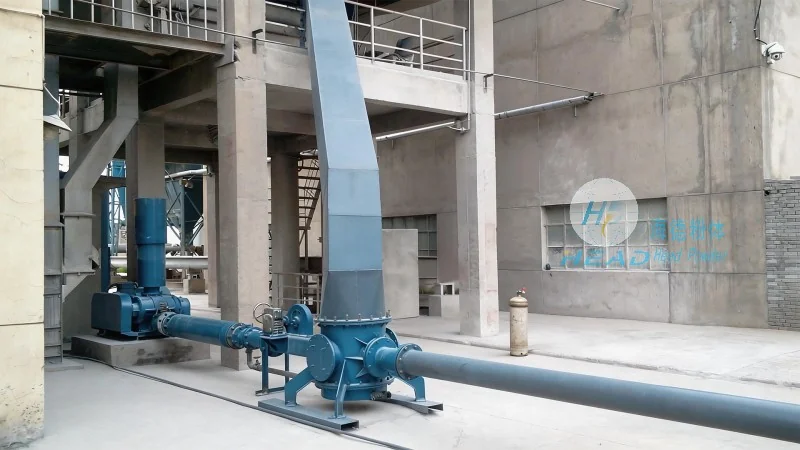
HeadPowder understands that each client has unique material handling needs, and therefore, offers customized pneumatic conveying solutions. The company's engineering team works closely with clients to understand their specific requirements and design systems that are tailored to their operations. This includes selecting the appropriate conveying method, determining the optimal system components, and ensuring that the system meets all safety and regulatory standards.
HeadPowder also provides comprehensive after-sales support to ensure the long-term performance and reliability of its systems. This includes regular maintenance services, spare parts availability, and technical support to address any issues that may arise during operation. The company's commitment to quality and customer satisfaction has made it a preferred choice for businesses seeking reliable pneumatic conveying solutions for sand and soil applications.
Conclusion
Pneumatic conveying systems are an effective and efficient solution for handling sand and soil in various industries. With the expertise of companies like Shandong HeadPowder Engineering Co., Ltd., businesses can benefit from customized systems that meet their specific needs. By considering the material properties, system capacity, and operational requirements, engineers can design pneumatic conveying systems that provide reliable and cost-effective material handling solutions. As the demand for efficient bulk material handling continues to grow, pneumatic conveying systems will remain a critical component in the industry, and companies like HeadPowder will play a vital role in meeting these needs.




