When it comes to the efficient and safe handling of magnesium powder, the design of a pneumatic conveying system is crucial. This system is engineered to transport magnesium powder from one location to another using air as the conveying medium. The system's design must consider several factors, including the material's properties, the required conveying distance, and the desired flow rate. A well-designed system ensures minimal product degradation, low maintenance costs, and high operational efficiency.
Company Introduction: HeadPowder Engineering
HeadPowder Engineering, operating under the brand name headpowder, is a leading manufacturer specializing in the design and supply of pneumatic conveying systems for various industrial applications. With a strong presence in Shandong, China, the company has built a reputation for delivering high-quality, customized solutions tailored to the specific needs of clients in the magnesium and related industries. The company's team of experienced engineers and technicians leverages advanced technology and industry best practices to develop systems that meet or exceed client expectations.
Pneumatic Conveying System Design Principles
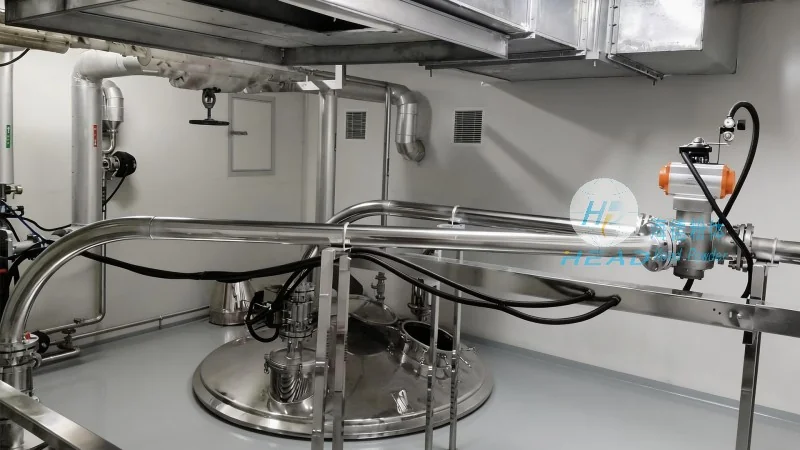
The design of a magnesium powder pneumatic conveying system involves careful consideration of several key principles. First, the system must be capable of handling the unique properties of magnesium powder, such as its low bulk density and potential for static charge accumulation. To address static issues, the system incorporates grounding and anti-static measures to prevent dust explosions and ensure safe operation. Second, the conveying line design must be optimized for the required flow rate and pressure drop. This involves selecting appropriate duct sizes, air velocities, and pressure levels to achieve efficient material transport without excessive energy consumption. Third, the system includes necessary components like feeders, airlocks, and filters to ensure smooth and continuous operation. The feeders are designed to provide a consistent flow of magnesium powder into the conveying line, while airlocks prevent backflow and maintain system pressure. Filters are essential to capture any fine particles and protect downstream equipment from contamination.
Key Components and Their Functions
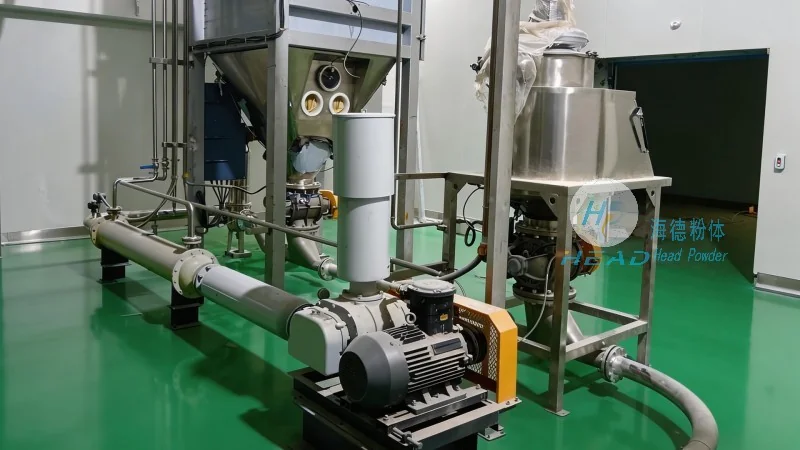
A magnesium powder pneumatic conveying system typically consists of several key components, each playing a vital role in the overall operation. The primary components include the material hopper, rotary valve feeder, air compressor, conveying pipeline, and dust collector. The material hopper stores the magnesium powder and provides a consistent feed to the feeder. The rotary valve feeder, often equipped with a pre-charge or pre-pressurization feature, ensures a steady flow of powder into the conveying line. The air compressor generates the necessary air pressure to move the powder through the pipeline. The conveying pipeline is designed with smooth, corrosion-resistant materials to prevent material buildup and ensure long service life. The dust collector, equipped with high-efficiency filters, captures any fine particles and returns them to the system or disposes of them safely.
Advantages of Magnesium Powder Pneumatic Conveying Systems
Implementing a pneumatic conveying system for magnesium powder offers several significant advantages over traditional methods like bucket elevators or belt conveyors. First, the system provides a dust-free and enclosed environment, which enhances workplace safety and reduces the risk of fire or explosion. Second, the system is highly flexible, allowing for easy reconfiguration or expansion as production needs change. Third, the system minimizes product degradation by avoiding direct contact with mechanical parts and reducing the risk of attrition. Fourth, the system offers low maintenance costs due to the absence of moving parts in the conveying line and the use of durable materials. Finally, the system improves operational efficiency by enabling continuous, automated material transport, which reduces labor costs and increases overall productivity.
Application Scenarios and Customization
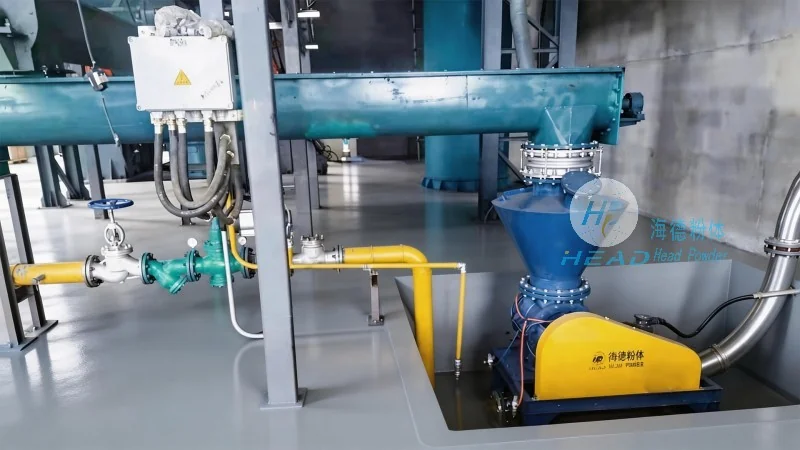
Magnesium powder pneumatic conveying systems are widely used in various industrial applications, including the production of magnesium alloys, magnesium-based chemicals, and other magnesium-related products. The systems are often customized to meet the specific requirements of each application. For example, in the production of magnesium alloys, the system may need to handle larger quantities of powder and operate at higher pressures. In the production of magnesium-based chemicals, the system may require additional filtration or purification steps to ensure product purity. The customization process involves working closely with the client to understand their production processes, material specifications, and operational requirements. The result is a system that is perfectly matched to the client's needs, ensuring optimal performance and long-term reliability.
Conclusion and Company Commitment
In conclusion, the design of a magnesium powder pneumatic conveying system is a critical aspect of efficient industrial operations. The system's ability to handle magnesium powder safely and efficiently makes it an essential component in many magnesium-related industries. HeadPowder Engineering, with its expertise and commitment to quality, provides reliable and customized pneumatic conveying solutions that meet the highest standards of performance and safety. By leveraging advanced technology and industry experience, the company ensures that its clients receive systems that not only meet their current needs but also adapt to future growth and technological advancements.




