When designing a pneumatic conveying system for sodium carbonate, several critical factors must be carefully evaluated to ensure efficiency, reliability, and cost-effectiveness. The system's performance is directly influenced by the material's properties, such as bulk density, particle size distribution, and flow characteristics. Proper selection of the conveying method—whether it's a dilute phase or dense phase system—plays a pivotal role in optimizing the process.
System Components and Design Principles
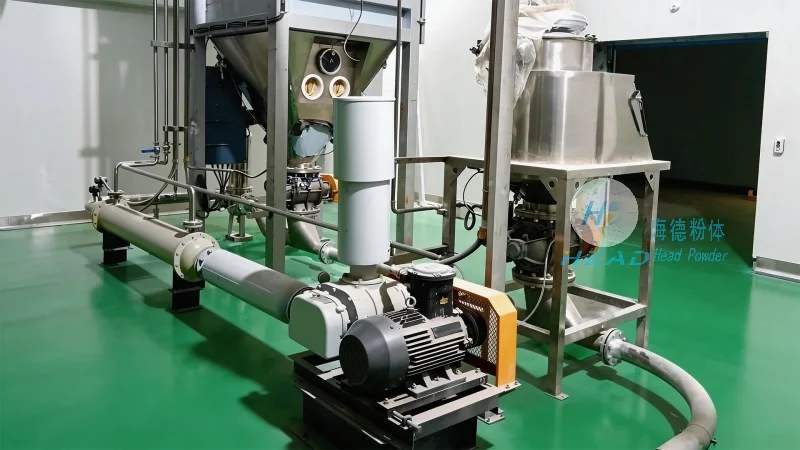
The core components of a sodium carbonate pneumatic conveying system typically include a hopper, feeder, air compressor, pipeline, and receiver. Each component must be tailored to the specific requirements of the material being handled. For instance, the hopper design should prevent material bridging and ensure uniform feeding, which is crucial for maintaining consistent flow rates. The feeder, often a rotary valve or screw feeder, must handle the material's flow characteristics without causing blockages or degradation. The air compressor provides the necessary pressure and airflow to move the material through the pipeline, and its capacity must be matched to the system's demand to avoid energy waste or insufficient conveying.
Material Properties and Their Impact on System Design
Sodium carbonate, with its distinct physical properties, requires special considerations in system design. The material's bulk density, which can vary depending on particle size and moisture content, affects the required airflow and pressure. Larger particles may need higher air velocities to prevent settling in the pipeline, while smaller particles might require more careful control to avoid excessive pressure drops. Additionally, the material's abrasiveness and potential for dust generation must be addressed to protect system components and ensure compliance with environmental regulations. Proper filtration and dust collection systems are essential to maintain air quality and prevent material buildup in the pipeline.
Feeder and Hopper Integration for Optimal Performance
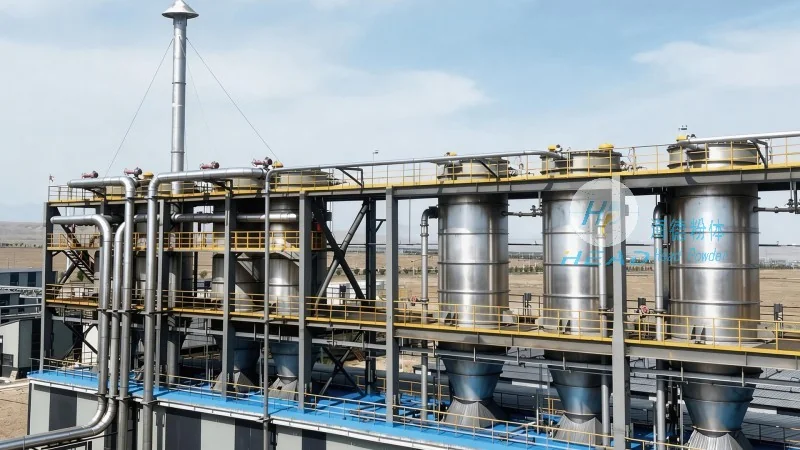
The integration of the feeder and hopper is a critical aspect of system design. A well-designed hopper with a conical bottom and smooth interior reduces the risk of material bridging and ensures a consistent feed to the feeder. The feeder's speed and capacity must be synchronized with the system's airflow to maintain a stable material flow. For sodium carbonate, which can be hygroscopic, the hopper and feeder should be equipped with appropriate sealing and moisture control measures to prevent material caking or degradation. This integration minimizes downtime and ensures the system operates at peak efficiency.
Compressor Selection and Energy Efficiency
The choice of air compressor is a key factor in the system's energy efficiency and operational costs. Centrifugal compressors are commonly used for large-scale systems due to their high airflow capacity and low maintenance requirements. However, for systems handling abrasive materials like sodium carbonate, positive displacement compressors may be preferred to maintain consistent pressure and airflow. Energy efficiency is further enhanced by incorporating variable frequency drives (VFDs) that adjust the compressor speed based on the system's demand, reducing energy consumption during low-load operations. Proper maintenance of the compressor, including regular filter changes and lubrication, is essential to prolong its lifespan and maintain optimal performance.
Pipeline Design and Material Handling
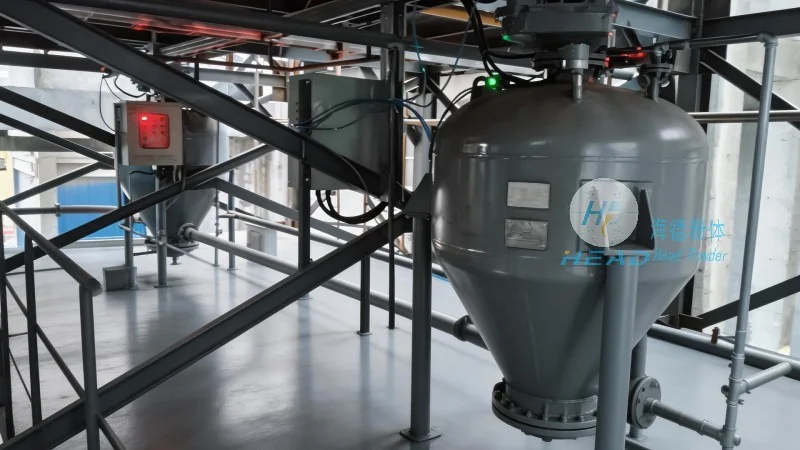
The pipeline design must account for the material's flow characteristics and the system's pressure requirements. For dilute phase systems, the pipeline diameter and length are critical to maintaining the required air velocity to prevent material settling. The use of smooth, corrosion-resistant materials, such as stainless steel or PTFE-lined pipes, is recommended to minimize friction losses and prevent material buildup. For dense phase systems, the pipeline design focuses on achieving the optimal gas-to-solid ratio to ensure efficient material transport without excessive pressure drops. Proper pipeline insulation and support are also important to maintain the system's performance and prevent heat loss or material degradation.
Receiver and Material Discharge
The receiver, or discharge hopper, is responsible for collecting the conveyed material and transferring it to the next process step. The design of the receiver must prevent material spillage and ensure easy access for maintenance. The discharge outlet should be sized appropriately to handle the material flow without causing blockages or pressure buildup. For sodium carbonate, which can be fine and dusty, the receiver should be equipped with a dust collection system to prevent material loss and maintain air quality. Proper sealing of the receiver is also essential to prevent material contamination and environmental pollution.
System Integration and Control
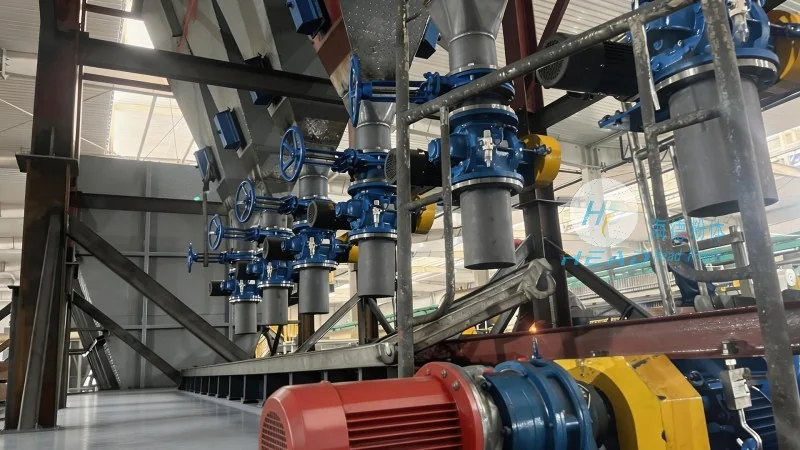
Modern pneumatic conveying systems for sodium carbonate often incorporate advanced control systems to optimize performance and reduce downtime. These systems use sensors to monitor key parameters such as pressure, airflow, and material level, providing real-time data for process control. Automated controls can adjust the feeder speed, compressor output, and pipeline pressure to maintain stable operation. This integration improves the system's reliability and reduces the need for manual intervention, leading to higher productivity and lower operational costs.
Maintenance and Troubleshooting
Regular maintenance is crucial to ensure the long-term performance and reliability of the sodium carbonate pneumatic conveying system. Key maintenance tasks include cleaning the hopper and feeder to prevent material buildup, inspecting the pipeline for signs of wear or corrosion, and checking the compressor and air filters for proper operation. Troubleshooting common issues, such as material blockages or pressure drops, requires a systematic approach. By identifying the root cause of the problem, such as a clogged filter or a faulty feeder, operators can quickly resolve issues and minimize downtime. Proper maintenance schedules and training for operators are essential to keep the system running smoothly and efficiently.




