Mineral powder pneumatic conveying equipment is a critical component in modern industrial material handling systems, designed to efficiently transport fine powders such as ores, chemicals, and food products over long distances with minimal loss and contamination. The operation process of these systems involves a series of coordinated steps that ensure smooth and reliable material transfer. At Shandong HeadPowder Engineering Co., Ltd., we specialize in providing advanced solutions tailored to meet diverse industrial needs, with our equipment engineered to deliver high performance and durability.
Company Overview and Expertise
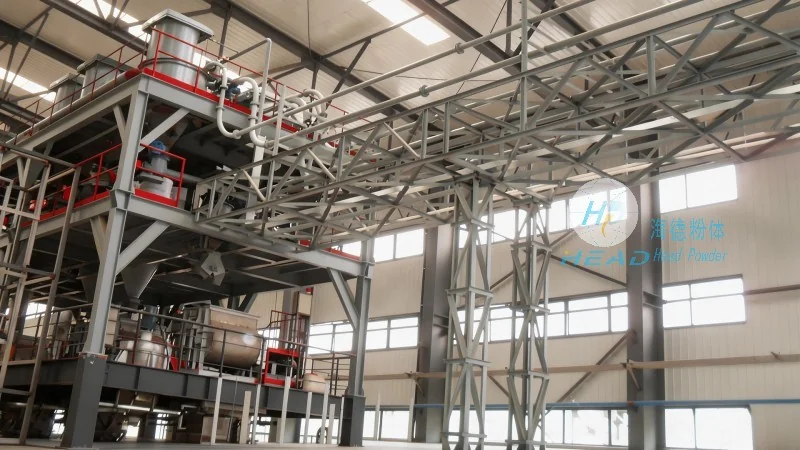
HeadPowder, a leading manufacturer based in Shandong, China, has established itself as a trusted name in the field of pneumatic conveying technology. With years of experience and a commitment to innovation, the company focuses on developing equipment that addresses the unique challenges of mineral powder handling. Our team of engineers and technicians leverages cutting-edge research and industry best practices to design systems that optimize efficiency, reduce operational costs, and enhance safety. The company’s headquarters and manufacturing facilities are located in Shandong, China, where we maintain strict quality control standards to ensure every product meets or exceeds industry benchmarks.
The Core Components and Their Roles
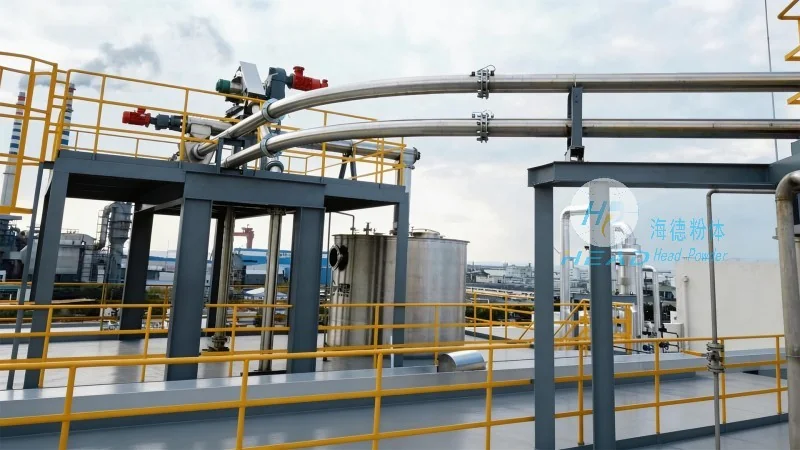
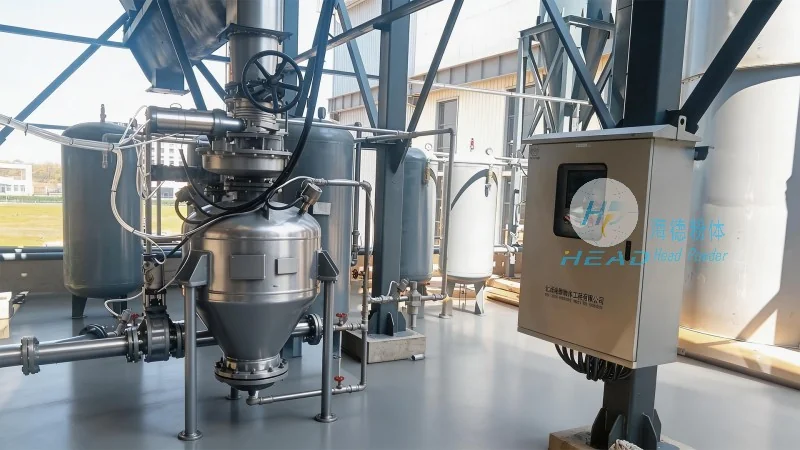
Mineral powder pneumatic conveying systems typically consist of several key components, each playing a vital role in the overall operation. The primary elements include a material hopper for storing the powder, a feeder to control the flow rate, a conveying line (usually a pipeline) that transports the material, a pressure or vacuum source to create the necessary airflow, and a receiver for the discharged material. Each component is carefully selected and integrated to ensure seamless interaction and optimal performance. The material hopper is designed to hold the bulk of the mineral powder, with a discharge valve or feeder that regulates the amount of material entering the conveying line. The feeder, often a rotary valve or a screw feeder, ensures a consistent and controlled flow, preventing blockages and maintaining system stability. The conveying line, made from materials resistant to corrosion and abrasion, is the pathway for the powder and air mixture. The pressure or vacuum source, such as a blower or a vacuum pump, generates the airflow that propels the powder particles through the line. Finally, the receiver collects the material at the destination, with a discharge mechanism to unload it.
Operation Process: Step-by-Step Breakdown
The operation of mineral powder pneumatic conveying equipment follows a systematic process that begins with the preparation of the material and concludes with the delivery of the powder to its final destination. The first step involves loading the mineral powder into the material hopper. The hopper is equipped with a level indicator to monitor the material volume, ensuring that the system operates within safe and efficient parameters. Once the hopper is filled, the feeder starts to discharge the powder at a pre-set rate. The feeder’s speed is adjustable, allowing operators to control the flow rate based on the system’s capacity and the required delivery rate. As the powder enters the conveying line, it mixes with the airflow generated by the pressure source. The air velocity is critical; it must be sufficient to lift and transport the powder particles without causing excessive wear on the equipment or creating dust emissions. The mixture of powder and air travels through the pipeline, which may include bends, elbows, or other fittings that guide the flow. The receiver at the end of the line collects the material, and the air, now containing fine particles, is filtered and returned to the system or vented to the atmosphere, depending on the design. The entire process is automated, with sensors and controls monitoring key parameters such as pressure, flow rate, and temperature to maintain optimal performance. Any deviations are detected and corrected in real-time, ensuring consistent and reliable operation.
Working Principle: How the System Transfers Material
The working principle of mineral powder pneumatic conveying equipment is based on the fundamental physics of fluid dynamics and particle transport. The system operates by creating a flow of air through the conveying line, which entrains the mineral powder particles and transports them as a slurry. There are two main types of pneumatic conveying systems: pressure and vacuum. Pressure systems use a positive pressure source (like a blower) to push the material through the line, while vacuum systems use a negative pressure source (like a vacuum pump) to pull the material from the source. In both cases, the key is the velocity of the air stream. The air velocity must exceed the terminal velocity of the powder particles to lift them and keep them suspended in the air stream. The terminal velocity is the speed at which the force of gravity equals the drag force acting on the particle, preventing it from settling. By maintaining an air velocity above this threshold, the system ensures that the powder remains in suspension and is efficiently transported. The design of the conveying line, including its diameter and length, also affects the system’s performance. A larger diameter reduces friction losses and allows for higher flow rates, while the length of the line determines the pressure drop and the required air volume. The system’s efficiency is further enhanced by the use of appropriate fittings and valves that minimize pressure losses and maintain a smooth flow. The receiver and discharge mechanisms are also critical, as they ensure that the material is collected without causing blockages or spillage. Overall, the working principle relies on the interaction between the air flow and the powder particles, leveraging the principles of fluid mechanics to achieve effective and reliable material transfer.
Key Advantages and Applications
Mineral powder pneumatic conveying equipment offers several advantages over traditional methods like belt conveyors or bucket elevators. One of the primary benefits is the ability to transport materials in a closed system, which prevents dust emissions and contamination, making it suitable for applications where hygiene and environmental compliance are critical. The system is also flexible, as it can be easily reconfigured to handle different materials or to change the delivery route. Additionally, pneumatic conveying systems are capable of transporting materials over long distances with minimal maintenance, as there are no moving parts in direct contact with the powder (except for the feeder and receiver). This reduces wear and tear and extends the equipment’s lifespan. The equipment is widely used in various industries, including mining, chemical processing, food and beverage, and pharmaceuticals. In the mining industry, it is used to transport ore from mines to processing plants, while in chemical processing, it handles powders like cement, flour, and pigments. The food and beverage industry utilizes pneumatic conveying for products such as flour, sugar, and spices, ensuring that the materials remain clean and free from contamination. The pharmaceutical industry also benefits from the system’s ability to handle sensitive powders, as the closed system prevents cross-contamination and maintains product integrity.
Maintenance and Operational Considerations
Proper maintenance is essential to ensure the long-term performance and reliability of mineral powder pneumatic conveying equipment. Regular inspections and cleaning of the material hopper, feeder, and conveying line are necessary to prevent blockages and reduce wear. The pressure source and filters should be checked regularly to ensure they are functioning correctly and to prevent dust accumulation. The system’s controls and sensors should be calibrated periodically to maintain accurate monitoring of key parameters. Operators should also be trained to recognize signs of system issues, such as abnormal pressure drops or increased noise, and take appropriate action. By following a regular maintenance schedule, users can minimize downtime, reduce repair costs, and extend the equipment’s operational life. Additionally, proper operational practices, such as avoiding overloading the system and ensuring consistent material flow, contribute to the overall efficiency and longevity of the equipment. The use of high-quality components and materials, as provided by HeadPowder, further enhances the system’s durability and performance, ensuring that it meets the demands of modern industrial applications.
Conclusion
Mineral powder pneumatic conveying equipment, as exemplified by the solutions offered by Shandong HeadPowder Engineering Co., Ltd., represents a sophisticated and efficient method for handling fine materials. The operation process, which involves coordinated steps from material loading to delivery, and the working principle, based on fluid dynamics and particle transport, work together to provide reliable and cost-effective material transfer. With its advantages in dust control, flexibility, and low maintenance, the system is a preferred choice in various industries. By adhering to proper maintenance and operational practices, users can maximize the performance and lifespan of the equipment, ensuring it continues to deliver value in industrial settings. As a leader in pneumatic conveying technology, HeadPowder remains committed to innovation and quality, providing solutions that meet the evolving needs of the industry.




