Vanadium oxide is a critical material in various industrial applications, including energy storage, catalysts, and chemical manufacturing. The efficient and reliable transportation of this material is essential for maintaining production efficiency and product quality. Pneumatic conveying systems offer a solution to handle vanadium oxide with precision and minimal risk of contamination or degradation. This article outlines the key design considerations for developing effective vanadium oxide pneumatic conveying systems, focusing on the technical and operational aspects that ensure optimal performance.
Understanding the Core Components of a Vanadium Oxide Pneumatic Conveying System
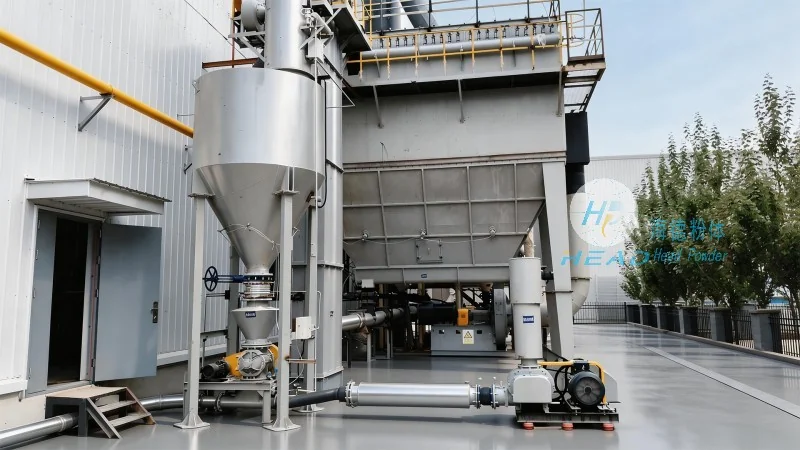
A well-designed vanadium oxide pneumatic conveying system comprises several interrelated components, each playing a vital role in the overall operation. The primary components include the material feed system, the conveying line (which may use positive or negative pressure), the separation and collection equipment, and the control and monitoring systems. The feed system must be capable of handling vanadium oxide in a controlled manner, ensuring consistent material flow into the conveying line. This often involves specialized feeders, such as rotary valves or screw feeders, which are designed to prevent material bridging or clogging—a common issue with fine powders like vanadium oxide.
The conveying line itself is a critical element, as it must be constructed from materials that are compatible with vanadium oxide and resistant to corrosion or chemical reactions. Stainless steel or specialized alloys are typically used for the pipe and fittings to prevent contamination and ensure durability. The choice between positive and negative pressure systems depends on the specific application requirements, including the distance to be covered, the material characteristics, and the desired flow rate. Positive pressure systems are generally more suitable for long-distance or high-volume conveying, while negative pressure systems are often used for shorter distances or when the material is sensitive to pressure changes.
Design Considerations for Material Handling and Flow Control
For vanadium oxide, which is often a fine powder with specific bulk properties, proper flow control is essential to prevent issues like agglomeration or uneven distribution. The system design must account for the material's density, particle size distribution, and flowability. This involves selecting appropriate equipment for material feeding, such as loss-in-weight feeders or gravimetric feeders, which can accurately measure and control the material flow rate. Additionally, the conveying line must be designed to maintain a consistent air velocity to prevent material settling or blockages. The use of pulse jets or air curtains can help maintain the material in suspension, ensuring smooth and continuous transport.
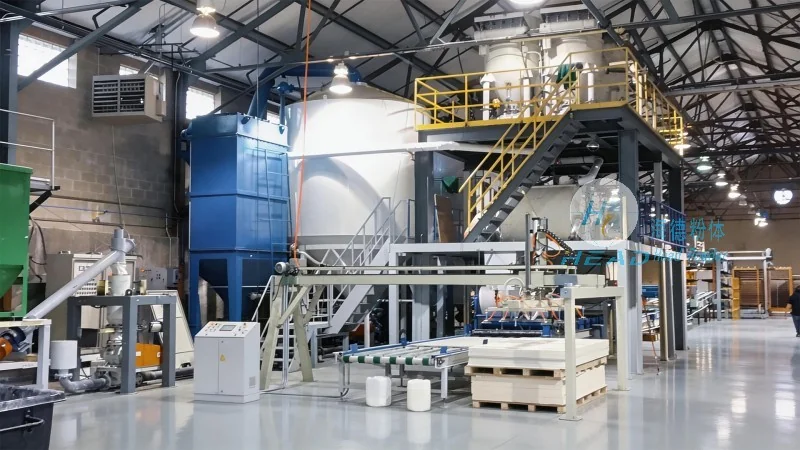
Another critical aspect is the prevention of material degradation during transport. Vanadium oxide can be sensitive to moisture, temperature changes, or mechanical stress, which may affect its chemical properties or reactivity. Therefore, the system must incorporate features to protect the material, such as moisture-proofing the conveying line, using temperature-controlled environments, or adding protective coatings to the equipment. The control system plays a key role here, as it allows for real-time monitoring of parameters like pressure, flow rate, and temperature, enabling immediate adjustments to maintain optimal conditions.
Application-Specific Design Adaptations
The design of a vanadium oxide pneumatic conveying system must be tailored to the specific application and operational environment. For example, in industrial settings where vanadium oxide is used as a catalyst in chemical processes, the system may need to integrate with existing process equipment, such as reactors or reactors, to ensure seamless material transfer. This requires careful coordination of the conveying system's timing and flow rate with the downstream processes to avoid disruptions or inefficiencies.
In addition, the system must consider the scale of operation, whether it is for small-scale laboratory use or large-scale industrial production. The design may vary significantly in terms of the capacity of the feeders, the diameter of the conveying line, and the power of the air compressor. For large-scale applications, the system may include multiple conveying lines or a network of pipes to handle high material throughput, while maintaining the same level of precision and control.
Ensuring Safety and Compliance in Vanadium Oxide Conveying
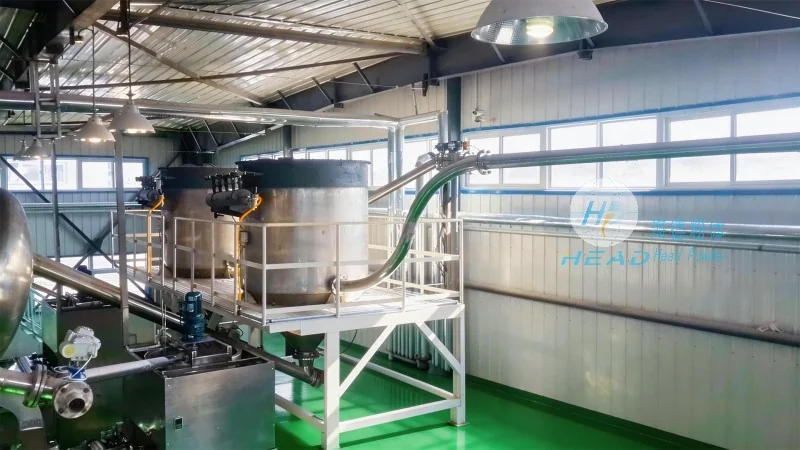
Given the potential hazards associated with handling vanadium oxide, such as dust explosions or respiratory risks, safety is a paramount consideration in system design. The system must comply with relevant safety standards and regulations, including those related to dust explosion prevention and occupational health. This may involve incorporating explosion-proof components, dust collection systems, and proper ventilation to minimize the risk of exposure. The control system should also include safety interlocks to prevent operation under unsafe conditions, such as when the material feed is interrupted or when the pressure in the system exceeds safe limits.
Furthermore, the system design must consider the environmental impact of material handling. Vanadium oxide is a valuable resource, and minimizing waste or loss during transport is important for both economic and environmental reasons. The system should be designed to maximize material recovery, with features like efficient separation and collection equipment that minimize the amount of material lost to the environment. This may include using cyclones or bag filters to capture fine particles and return them to the system for reuse.
Conclusion: Optimizing Vanadium Oxide Pneumatic Conveying with Expert Design
Designing an effective vanadium oxide pneumatic conveying system requires a comprehensive understanding of the material's properties, the operational requirements, and the safety and environmental considerations. By focusing on key design points such as component selection, flow control, and safety measures, engineers can develop systems that deliver reliable, efficient, and safe transport of vanadium oxide. The expertise of companies like Shandong HeadPowder Engineering Co., Ltd. (headpowder) is crucial in this process, as they bring years of experience and specialized knowledge to tailor systems that meet the unique needs of each application. With the right design and implementation, vanadium oxide pneumatic conveying systems can significantly enhance production efficiency and product quality in various industrial sectors.




