Continuous metering feeding pneumatic conveying equipment is a critical component in modern material handling systems, designed to efficiently transport bulk materials from one location to another while maintaining precise control over the feeding rate. This equipment is widely used in various industries, including chemical, food processing, and pharmaceuticals, where accurate material flow is essential for process optimization and product quality assurance. The system combines the principles of pneumatic conveying with metering technology to deliver a reliable and flexible solution for material transport needs.
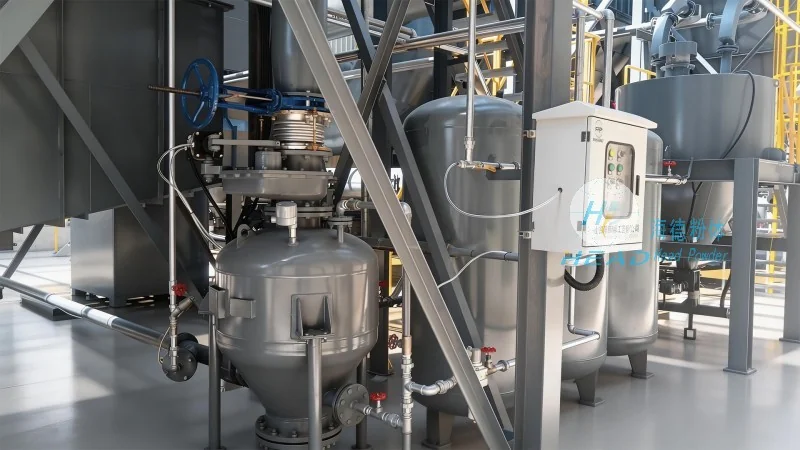
Company Overview: Shandong HeadPowder Engineering Co., Ltd.
Headpowder, as the company name suggests, specializes in engineering solutions for material handling and processing. With a strong presence in Shandong, China, the company has established itself as a leading provider of pneumatic conveying systems. The company's commitment to quality, innovation, and customer satisfaction has enabled it to serve a diverse range of industries, delivering tailored solutions that meet specific operational requirements. Headpowder's expertise lies in designing and manufacturing equipment that enhances productivity while ensuring safety and efficiency in material handling processes.
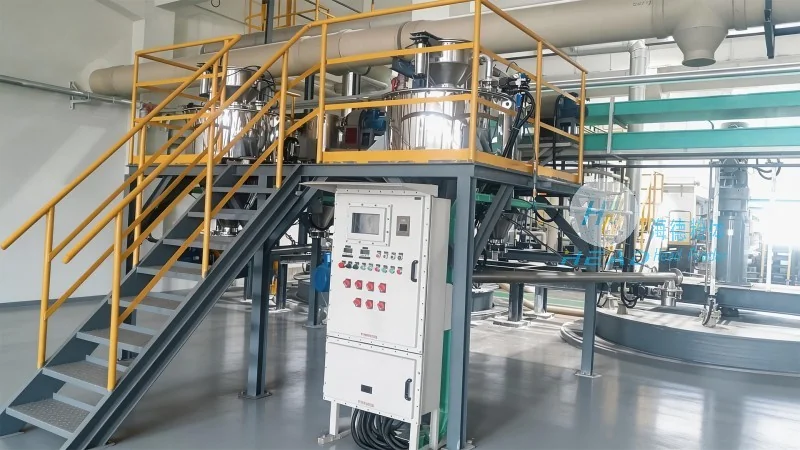
Key Features of Continuous Metering Feeding Systems
The continuous metering feeding pneumatic conveying system offered by Headpowder is characterized by several key features that set it apart from conventional feeding methods. First, the system employs a precise metering mechanism that ensures consistent material flow rates, which is crucial for maintaining process stability and preventing overfeeding or underfeeding. This metering capability is achieved through advanced control systems that adjust the feeding rate based on real-time operational conditions. Second, the pneumatic conveying technology used in the system allows for the transport of materials over long distances with minimal energy consumption and reduced maintenance requirements. The system is also designed to handle a wide range of materials, including powders, granules, and bulk solids, making it versatile for different applications. Additionally, the equipment is equipped with safety features such as pressure relief valves and overload protection to ensure safe operation in industrial environments.
Operation Process of Continuous Metering Feeding Pneumatic Conveying Equipment
The operation of continuous metering feeding pneumatic conveying equipment involves several steps that work in tandem to achieve efficient material transport. The process begins with the material being fed into the hopper or feeder, where it is stored and prepared for transport. The metering device then measures the material flow rate, ensuring that the correct amount of material is introduced into the conveying line. The material is then mixed with the conveying air, which is typically generated by a blower or compressor, and transported through the pipeline to the destination point. The conveying air helps to lift and move the material particles, while the metering mechanism maintains the desired flow rate. The system is equipped with sensors and control valves that monitor the pressure and flow rates, allowing for real-time adjustments to maintain optimal performance. The entire process is automated, reducing the need for manual intervention and ensuring consistent operation.
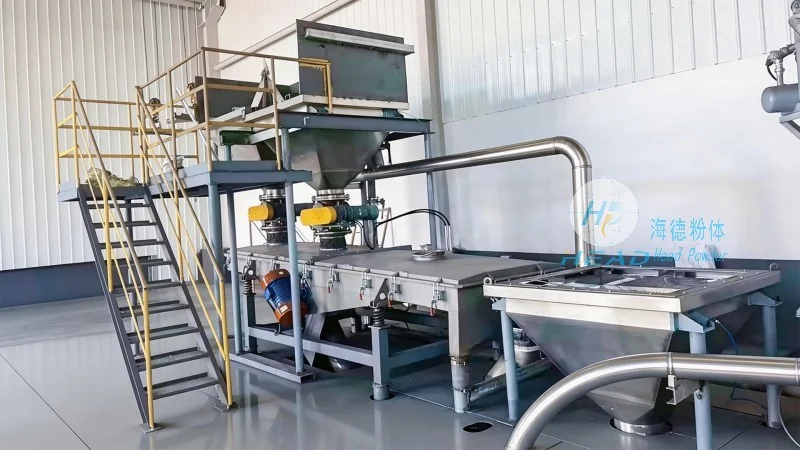
Working Principle of the Equipment
The working principle of continuous metering feeding pneumatic conveying equipment is based on the combination of pneumatic conveying and metering technology. Pneumatic conveying relies on the use of air to transport materials through a pipeline, where the material is suspended and carried by the air flow. The metering mechanism, on the other hand, ensures that the material is fed at a controlled rate, preventing fluctuations in the flow rate. The system operates by creating a pressure differential between the inlet and outlet of the conveying line, which drives the material and air mixture through the pipeline. The blower or compressor provides the necessary air pressure to move the material, while the metering device regulates the amount of material entering the system. The equipment is designed to handle both positive and negative pressure conveying, allowing for flexibility in material transport. The control system monitors the pressure, flow rate, and material level, ensuring that the system operates within safe and efficient parameters. This integrated approach ensures that the equipment delivers reliable and consistent performance, meeting the demands of modern industrial applications.




