HeadPowder, a leading manufacturer based in Shandong, China, specializes in the design and production of advanced pneumatic conveying systems tailored for handling gypsum powder. This article provides a comprehensive overview of the equipment's structure and operational principles, highlighting its key components and how they work together to ensure efficient material transport.
Key Components of Gypsum Powder Pneumatic Conveying Systems
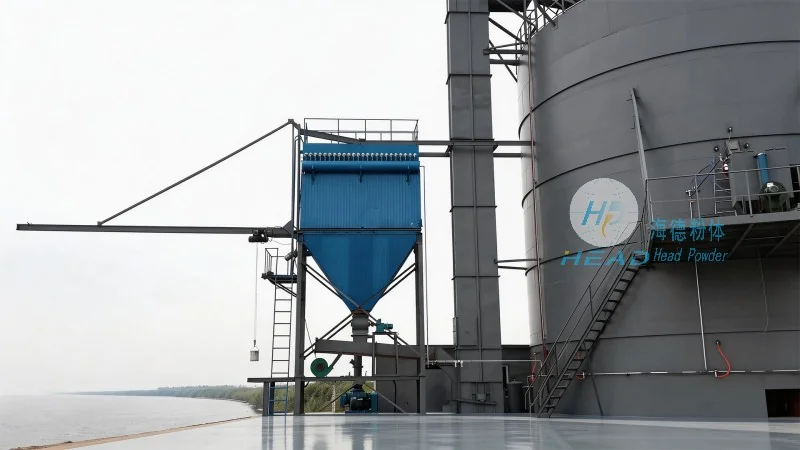
The core of a gypsum powder pneumatic conveying system consists of several critical components that work in unison to facilitate the movement of the material. These components include the material feed hopper, the conveying pipeline, the air supply system (typically a blower or compressor), and the control valves. Each part plays a vital role in maintaining the system's efficiency and reliability.
The material feed hopper is designed to store and feed the gypsum powder into the system. It often features a hopper with a conical bottom to ensure smooth discharge and prevent material bridging or caking, which are common issues in handling fine powders like gypsum. The hopper is equipped with a feeder, such as a rotary valve or a screw feeder, that regulates the flow rate of the powder into the conveying line. This control is essential for maintaining consistent pressure and preventing overloading of the system.
Working Principle of Pneumatic Conveying
The fundamental principle behind pneumatic conveying is the use of air to transport the solid material through a pipeline. In the case of gypsum powder, the system operates by creating a pressure differential between the feed point and the discharge point. The air supply system generates a flow of air that moves through the pipeline, carrying the gypsum powder particles along with it. This process can be categorized into two main types: dilute phase and dense phase conveying, each with its own advantages depending on the application requirements.
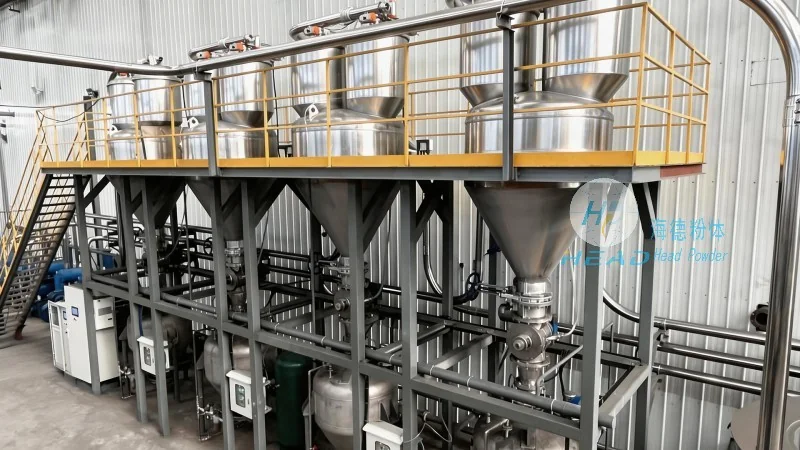
Dilute phase conveying involves the material being suspended in the air stream, similar to a cloud of particles. This method is suitable for short to medium distances and when the material is relatively light. The air velocity is high enough to keep the particles suspended, and the system operates at relatively low pressure. Dense phase conveying, on the other hand, involves the material being conveyed in a more compact form, often at higher pressure and lower air velocity. This method is ideal for longer distances or when the material is more abrasive or prone to degradation, as it reduces the risk of particle attrition and system wear.
Advantages of Gypsum Powder Pneumatic Conveying Equipment
Implementing a pneumatic conveying system for gypsum powder offers several significant advantages over traditional methods like bucket elevators or belt conveyors. One of the primary benefits is the ability to handle the material in a closed system, which minimizes dust emissions and improves workplace safety. This is particularly important for gypsum, which can generate fine particles that are hazardous if inhaled. The closed system also helps maintain the material's quality by preventing contamination from external sources.
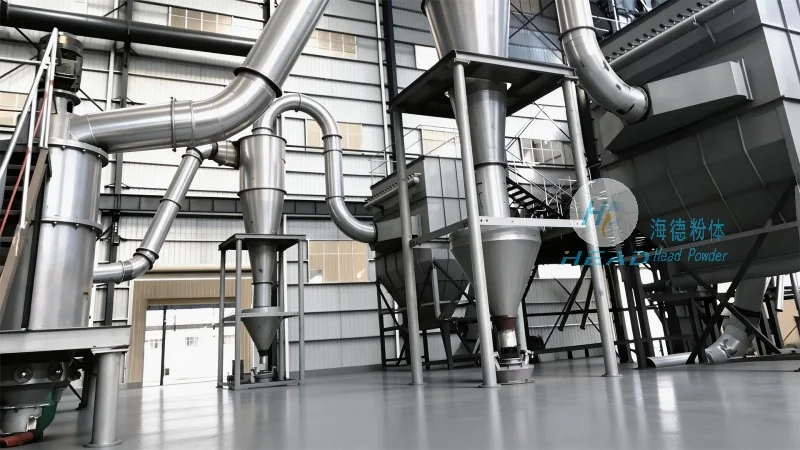
Another key advantage is the flexibility and scalability of the system. Pneumatic conveyors can be easily integrated into existing production lines and can be adjusted to handle varying flow rates and distances. They are also suitable for transporting gypsum powder to multiple destinations from a single source, as the system can be branched to different discharge points. This flexibility makes them ideal for applications in the construction, plastering, and industrial sectors where gypsum is used as a raw material.
Applications and Industries
Gypsum powder pneumatic conveying equipment is widely used across various industries that rely on gypsum as a key component. In the construction industry, it is commonly used to transport gypsum for wallboard production, plastering applications, and decorative finishes. The equipment is also utilized in the manufacturing of gypsum-based products such as drywall, plaster, and cement additives. Additionally, in industrial settings, it may be employed in processes where gypsum is used as a filler or binder in various products, ensuring consistent and efficient material handling throughout the production cycle.
Conclusion
HeadPowder's gypsum powder pneumatic conveying equipment represents a sophisticated solution for the efficient and safe handling of gypsum powder. By understanding the key components and operational principles, users can appreciate how this technology enhances productivity while maintaining high standards of safety and material integrity. With its ability to handle fine powders in a closed system and adapt to various industrial needs, the equipment is a valuable asset for any facility dealing with gypsum powder.




