For industrial facilities, especially in the power generation sector, the efficient handling of fly ash from boiler systems is crucial for operational continuity and environmental compliance. The fly ash silo material pneumatic conveying system represents a sophisticated solution designed to address the challenges associated with transporting bulk materials like fly ash from storage silos to processing or disposal units. This system integrates advanced pneumatic conveying technology with robust engineering to ensure reliable, low-damage material transport, making it an essential component in modern industrial operations.
Understanding the Core Principle of Pneumatic Conveying Systems
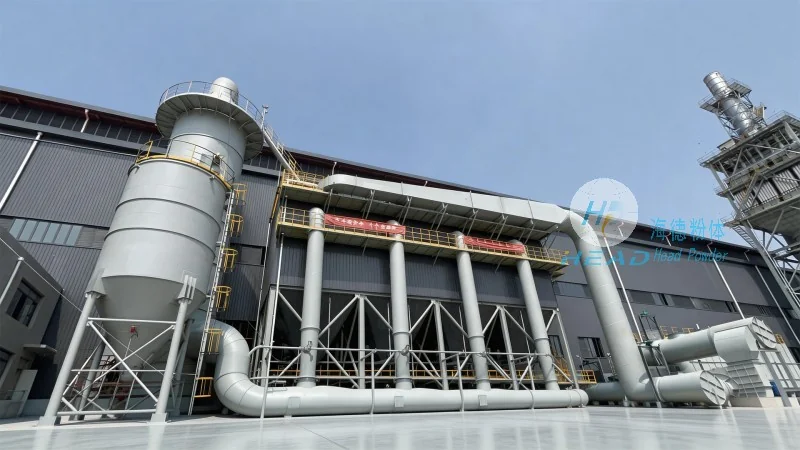
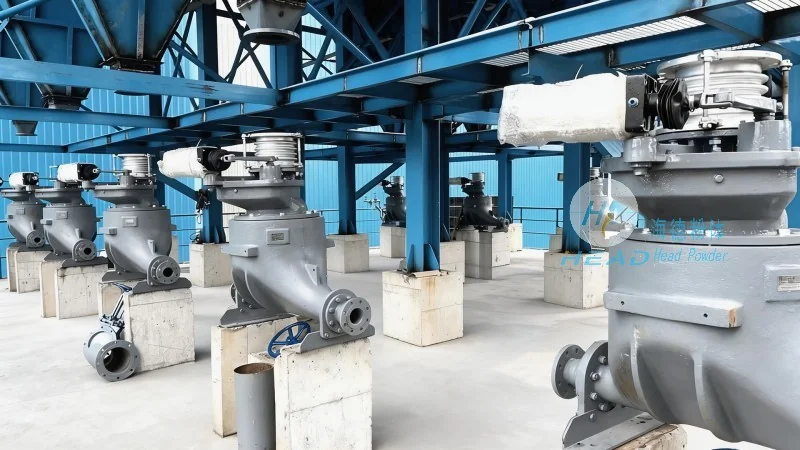
The fundamental principle of pneumatic conveying for fly ash silo applications involves the use of air as the conveying medium to transport particulate materials through a pipeline network. In this system, the fly ash stored in the silo is drawn or pushed through a pipeline by a pressure differential, typically generated by a blower or fan. The system can operate under either positive pressure (where air is forced into the system) or negative pressure (where air is drawn out), depending on the specific design and operational requirements. The key components include the silo discharge mechanism, the conveying pipeline, the air mover, and the receiving hopper or processing equipment. The air velocity within the pipeline is carefully controlled to ensure that the fly ash particles are suspended and transported without causing blockages or excessive wear on the system components. This principle allows for the efficient transfer of fly ash, minimizing material degradation and ensuring consistent flow rates. The positive pressure system, for instance, uses a blower to create a pressure higher than the ambient air, pushing the fly ash through the pipeline, while the negative pressure system employs a vacuum fan to draw the material from the silo. Each approach has its advantages, with positive pressure systems being more suitable for long-distance or high-volume transport and negative pressure systems offering better containment and lower noise levels. The selection of the pressure type depends on factors such as the distance between the silo and the receiving point, the material properties, and the plant layout.
Key Working Scene Characteristics and Applications
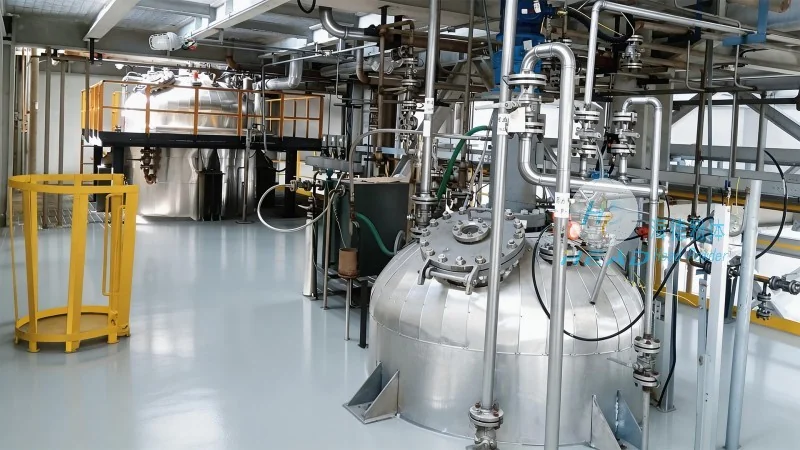
The working scene characteristics of the fly ash silo material pneumatic conveying system are tailored to meet the diverse operational needs of industrial plants. One of the primary characteristics is its ability to handle high volumes of fly ash with minimal downtime, which is critical for continuous power generation operations. The system is designed to operate in both continuous and intermittent modes, adapting to varying production schedules and material availability. For example, in a thermal power plant, the system can continuously convey fly ash from the boiler's bottom ash hopper to the fly ash silo for storage, ensuring a steady supply of material for subsequent processing or disposal. Another characteristic is the system's adaptability to different fly ash properties, such as varying particle sizes, moisture content, and flowability. The design incorporates adjustable air velocities and pressure settings to accommodate these variations, preventing issues like caking or pipeline blockages. Additionally, the system is engineered for low maintenance and high reliability, with features like automatic cleaning mechanisms and real-time monitoring to ensure consistent performance. This adaptability and reliability make the system suitable for a wide range of industrial applications, from power plants to cement and chemical facilities where fly ash is a byproduct or raw material. In a cement plant, for instance, the system can transport fly ash from the silo to the raw material mill, enhancing the production process by providing a consistent feed. The system's flexibility also allows it to be integrated with existing infrastructure, reducing the need for major plant modifications. This integration capability is a key advantage for facilities looking to upgrade their material handling systems without significant disruptions.
Technical Advantages and Performance Metrics
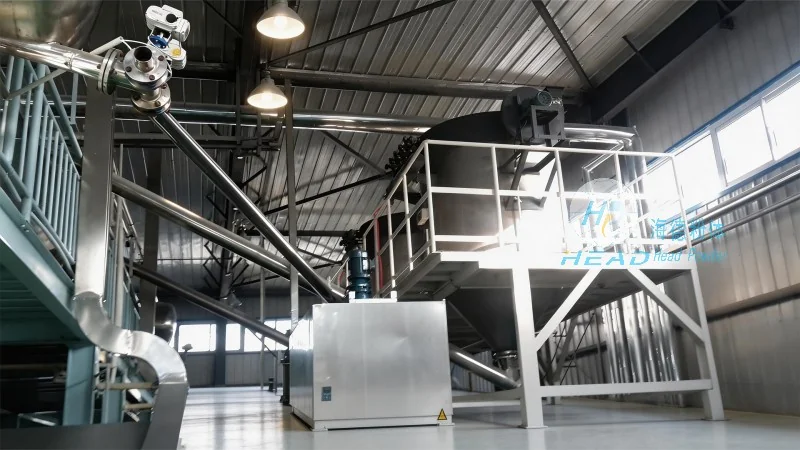
HeadPowder, as a leading engineering company specializing in material handling solutions, offers advanced pneumatic conveying systems that leverage cutting-edge technology to deliver superior performance. The systems are designed with high-efficiency air movers that minimize energy consumption while maintaining optimal conveying velocities. The pipeline design incorporates smooth, corrosion-resistant materials, such as stainless steel or high-density polyethylene, to prevent material buildup and ensure long service life. The system's control system provides real-time monitoring of pressure, flow rate, and air temperature, allowing operators to adjust parameters dynamically and maintain optimal performance. This advanced control capability enhances operational efficiency and reduces the risk of system failures. Furthermore, the system is engineered for low material degradation, with minimal attrition of fly ash particles during transport, which is essential for maintaining the quality of the material for downstream applications. The low maintenance design, including self-cleaning features and easy access to components, reduces operational costs and downtime. These technical advantages make the HeadPowder pneumatic conveying system a preferred choice for industrial facilities seeking reliable and efficient fly ash handling solutions. The company's expertise in customizing systems to meet specific client requirements ensures that each installation is optimized for the unique operational conditions of the facility. For instance, in a facility with multiple silos, the system can be configured to handle material from different sources, with automated switching between silos to maintain continuous operation. This level of customization demonstrates HeadPowder's commitment to providing tailored solutions that enhance the overall efficiency and sustainability of industrial operations.




