Gypsum, a widely used industrial material, often requires efficient and reliable transportation methods to move it from production sites to processing or storage facilities. Pneumatic conveying systems have emerged as a preferred solution for handling gypsum due to their ability to transport materials in a dust-free environment, enhancing safety and operational efficiency. This article explores the fundamental principles behind these systems and highlights the key working scene characteristics that make them suitable for gypsum material handling.
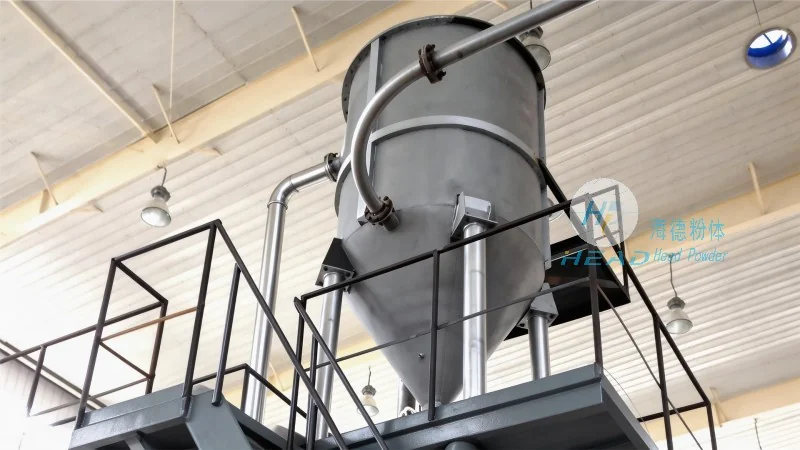
HeadPowder Engineering: A Leader in Pneumatic Conveying Solutions
HeadPowder, a prominent name in the field of material handling equipment, specializes in designing and manufacturing advanced pneumatic conveying systems tailored to the unique needs of various industries. With a strong presence in Shandong, China, HeadPowder Engineering Co., Ltd. leverages years of expertise to deliver customized solutions that optimize material transport processes. The company’s commitment to quality and innovation ensures that their systems meet the highest standards of performance and durability, making them a trusted choice for businesses dealing with gypsum and other similar materials.
The Principle of Pneumatic Conveying for Gypsum
Pneumatic conveying systems operate on the principle of using compressed air or gas to transport bulk materials through a pipeline. In the case of gypsum, the system typically involves a hopper or storage silo where the material is fed into a conveying line. As air is introduced into the system, it creates a flow that propels the gypsum particles through the pipeline to the destination point, such as a processing plant or a storage silo. This method eliminates the need for mechanical components like belts or buckets, reducing maintenance costs and minimizing the risk of material contamination. The system can be either positive pressure (where air is blown into the line) or negative pressure (where air is drawn out), depending on the specific application and material characteristics.
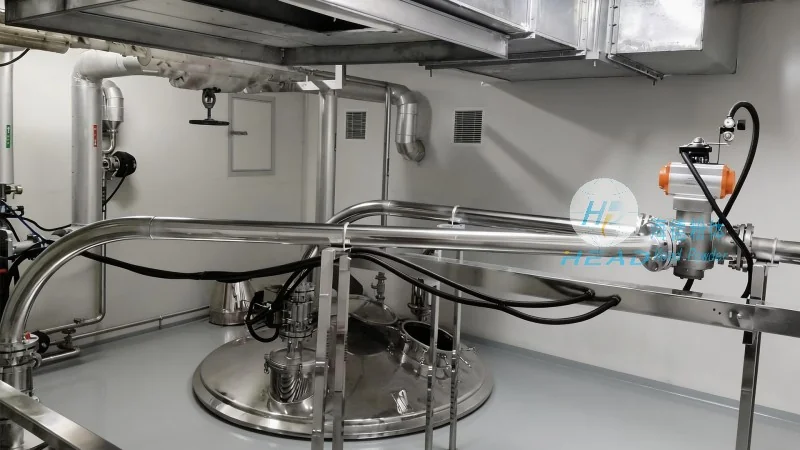
Working Scene Characteristics of Gypsum Pneumatic Conveying Systems
The working scene characteristics of gypsum pneumatic conveying systems are tailored to the specific demands of gypsum handling environments. These systems are designed to handle the bulk density and flow properties of gypsum, ensuring smooth and continuous transport. Key characteristics include:
- Dust-Free Operation: Pneumatic conveying systems prevent dust generation, which is crucial for maintaining a clean and safe working environment, especially in facilities where gypsum is processed or stored.
- Low Maintenance: Unlike traditional mechanical conveyors, pneumatic systems have fewer moving parts, reducing the need for frequent maintenance and lowering operational costs over time.
- Customizable Designs: HeadPowder Engineering offers customized solutions that can adapt to different plant layouts and material handling requirements, ensuring optimal performance in various working scenarios.
- Efficient Material Handling: These systems can handle large volumes of gypsum efficiently, making them suitable for high-throughput production lines and industrial applications.
Applications and Use Cases
Gypsum pneumatic conveying systems are widely used in various industrial applications, including:
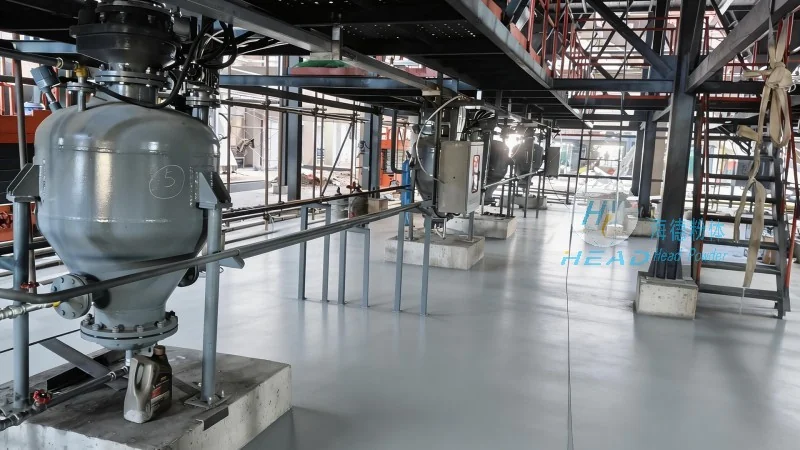
- Construction Materials Production: In the production of gypsum boards and other building materials, these systems efficiently transport raw gypsum from storage to processing units.
- Pharmaceutical and Food Processing: For industries dealing with gypsum-based products, such as certain food additives or pharmaceutical excipients, pneumatic conveying ensures hygienic and contamination-free transport.
- Mineral Processing: In mining operations where gypsum is extracted, pneumatic systems help in transporting the material from the mine to processing plants, improving operational efficiency.
Advantages of Choosing HeadPowder's Pneumatic Conveying Systems
When selecting a pneumatic conveying system for gypsum handling, businesses benefit from several advantages offered by HeadPowder Engineering:
- Expert Engineering: The company’s team of engineers designs systems based on thorough analysis of material properties and operational requirements, ensuring optimal performance.
- Quality Materials: HeadPowder uses high-quality materials in the construction of their systems, ensuring durability and long service life.
- Comprehensive Support: From installation to maintenance, HeadPowder provides comprehensive support to ensure the system operates at peak efficiency throughout its lifecycle.
Conclusion
Gypsum material pneumatic conveying systems, as exemplified by the solutions offered by HeadPowder Engineering Co., Ltd. from Shandong, China, represent a sophisticated and efficient approach to material handling. By leveraging the principles of pneumatic transport and tailored to the specific characteristics of gypsum, these systems enhance operational efficiency, improve safety, and reduce maintenance costs. For industries dealing with gypsum, investing in a reliable pneumatic conveying system from a trusted provider like HeadPowder is a strategic decision that ensures smooth and sustainable material transport processes.




