For metallurgical industries, the efficient and reliable transportation of coal powder materials is crucial to the smooth operation of production lines. Pneumatic conveying technology has emerged as a key solution, offering advantages such as dust-free operation, flexible system design, and the ability to handle various powder characteristics. This article explores the fundamental principles of pneumatic conveying for metallurgical coal powder materials and highlights the key application scenarios where this technology excels.
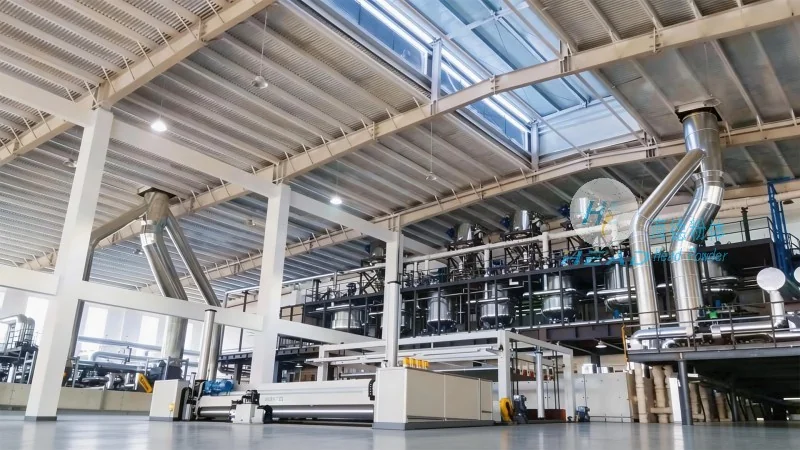
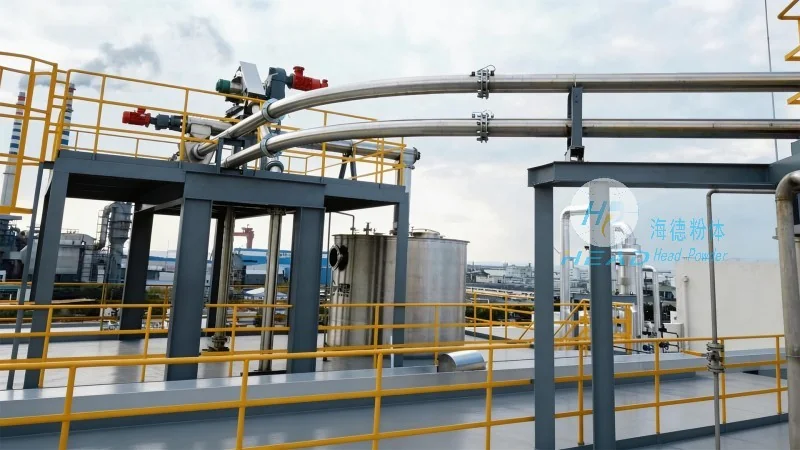
Principles of Pneumatic Conveying for Metallurgical Coal Powder
Pneumatic conveying operates on the principle of transporting solid particles (coal powder) suspended in a gas stream, typically air. The system can be categorized into two main types: pressure and vacuum. In pressure systems, a positive pressure is maintained throughout the conveying line, often using a blower or compressor to generate the necessary airflow. The coal powder is fed into the system and carried by the high-velocity air, ensuring stable and continuous transport. Vacuum systems, on the other hand, use a vacuum pump to create a negative pressure, drawing the powder from the source and transporting it to the destination. Both systems rely on the balance between the gas velocity and the particle size/density to achieve effective suspension and transport. The choice between pressure and vacuum depends on factors like the distance to be covered, the required flow rate, and the material's properties. For metallurgical coal powders, which often have high moisture content or abrasive characteristics, specialized designs are employed to prevent clogging and ensure long-term system reliability. Shandong HeadPowder Engineering Co., Ltd. specializes in the design and implementation of such systems, leveraging advanced engineering to tailor solutions to specific industrial needs.
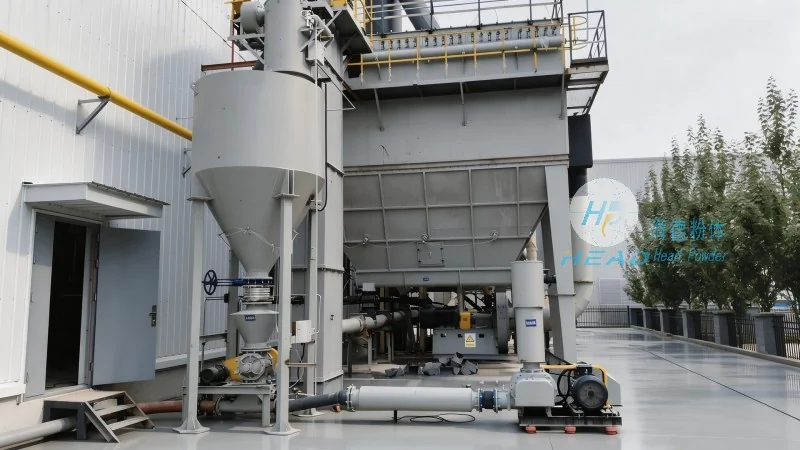
Key Application Scenarios of Pneumatic Conveying in Metallurgical Coal Powder Handling
The versatility of pneumatic conveying makes it suitable for a wide range of work scenarios in metallurgical coal powder processing. One common application is the transport of raw coal powder from storage silos to processing facilities, such as grinding mills or preheaters. This scenario requires high flow rates and consistent material delivery to maintain production efficiency. The system must be capable of handling large volumes of coal powder while minimizing downtime and maintenance. Another critical scenario is the transfer of coal powder between different processing stages, such as from a dryer to a storage hopper or from a blending unit to a furnace. In these cases, the conveying system needs to integrate seamlessly with existing equipment, ensuring smooth material flow and preventing contamination. Long-distance conveying is also a common requirement in large-scale metallurgical plants, where coal powder may need to be transported over hundreds of meters or even kilometers. The design of the pneumatic system must account for pressure drop and energy consumption, optimizing the system for cost-effectiveness and operational sustainability. Additionally, in scenarios involving multiple material handling points, such as in a coal blending plant, the flexibility of pneumatic conveying allows for dynamic routing and material distribution. This adaptability is crucial for meeting varying production demands and ensuring that the right amount of coal powder is delivered to each processing unit. Shandong HeadPowder Engineering Co., Ltd. has extensive experience in designing and installing pneumatic conveying systems for these diverse scenarios, providing customized solutions that enhance operational efficiency and reduce material handling costs.
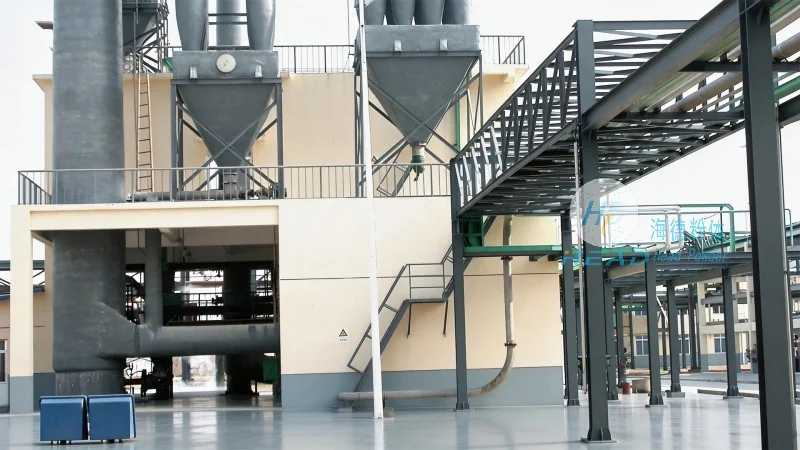
Advantages and Considerations in Pneumatic Conveying for Metallurgical Coal Powder
When implementing pneumatic conveying for metallurgical coal powder, several advantages and considerations must be taken into account. The primary benefit is the ability to achieve dust-free operation, which improves workplace safety and reduces environmental impact. Unlike mechanical conveying methods, which can generate significant dust, pneumatic systems contain the material within a sealed pipeline, minimizing exposure to personnel and the environment. Another advantage is the flexibility in system layout, as the conveying line can be routed around obstacles and integrated with existing infrastructure. This adaptability is particularly valuable in retrofitting existing metallurgical plants or designing new facilities. However, there are also considerations related to system maintenance and energy consumption. Pneumatic conveying systems require regular maintenance of components such as blowers, filters, and check valves to ensure optimal performance. The energy consumption of the system is another factor, as high-pressure or high-volume operations can be energy-intensive. Shandong HeadPowder Engineering Co., Ltd. addresses these considerations by offering comprehensive system design, including energy-efficient components and maintenance plans, to ensure long-term operational reliability and cost-effectiveness. The company's expertise in material characterization and system simulation also helps in optimizing the conveying parameters, such as air velocity and pressure, to achieve the best balance between performance and energy use.




