HeadPowder, a leading engineering firm based in Shandong, China, specializes in the design and implementation of pneumatic conveying systems tailored for PVC resin materials. This article delves into the fundamental principles behind pneumatic conveying technology and highlights the key characteristics of its application scenarios, providing a comprehensive overview for industry professionals seeking efficient material handling solutions.
Understanding Pneumatic Conveying Principles
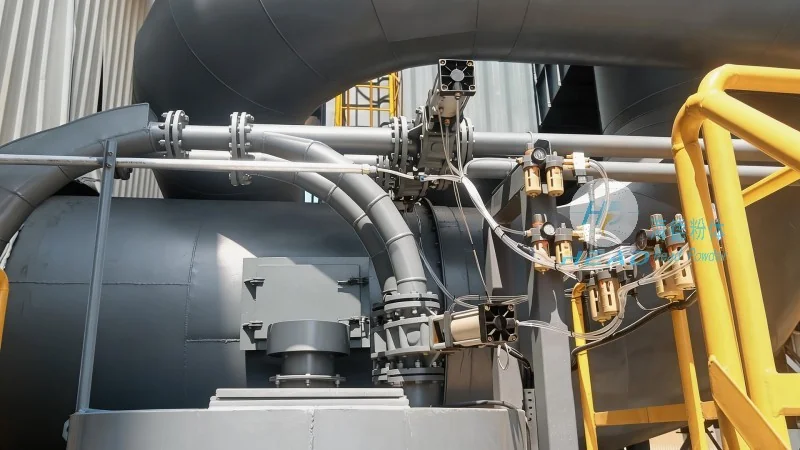
Pneumatic conveying is a method of transporting bulk materials, such as PVC resin, through a pipeline using a stream of air or other gas. The process operates on the principle of creating a pressure differential between the inlet and outlet of the conveying line. By introducing air at a high velocity into the material feed point, the resin particles are entrained and carried through the pipeline to the discharge point. This technique eliminates the need for mechanical components like conveyor belts or screw conveyors, offering a more hygienic and flexible solution for handling PVC resin, which is widely used in manufacturing applications like plastic products, flooring, and construction materials.
Key Components of a PVC Resin Pneumatic Conveying System
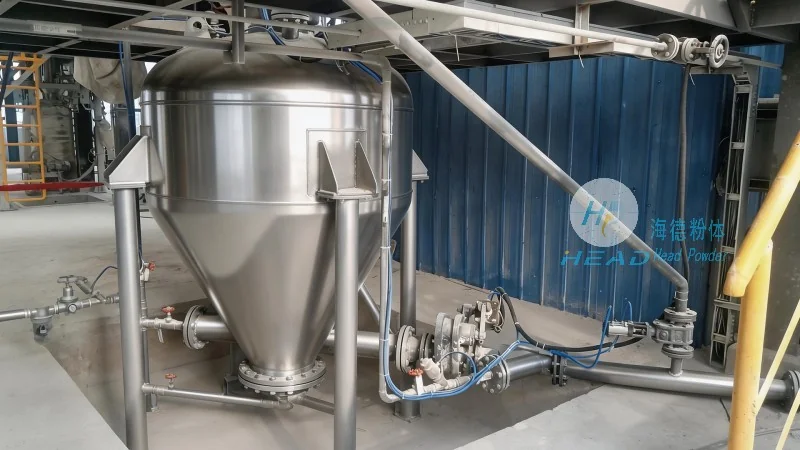
The effectiveness of a pneumatic conveying system for PVC resin relies on several critical components. These include a material feeder, which ensures a consistent flow of resin into the conveying line; a conveying pipeline, typically made of materials resistant to chemical corrosion and abrasion, such as stainless steel or specialized plastics; a pressure vessel or receiver, where the resin is collected after transport; and a control system that regulates air pressure and flow rates to optimize the conveying process. HeadPowder’s expertise lies in integrating these components into a seamless system that meets the specific requirements of PVC resin handling, ensuring minimal product degradation and efficient operation.
Advantages of Pneumatic Conveying for PVC Resin Handling
Compared to traditional mechanical conveying methods, pneumatic conveying offers several advantages when handling PVC resin. One of the primary benefits is the ability to maintain a clean and dust-free environment, which is crucial for industries where product purity is paramount. The enclosed system prevents contamination from external sources and reduces the risk of dust exposure for operators. Additionally, pneumatic conveying systems can handle materials with varying particle sizes and moisture content, making them versatile for different PVC resin formulations. The flexibility of the system allows for easy integration into existing production lines, with the ability to adjust conveying rates based on production demands. Furthermore, the lack of moving parts reduces maintenance requirements and operational downtime, contributing to overall cost savings for manufacturers.
Common Application Scenarios in PVC Manufacturing
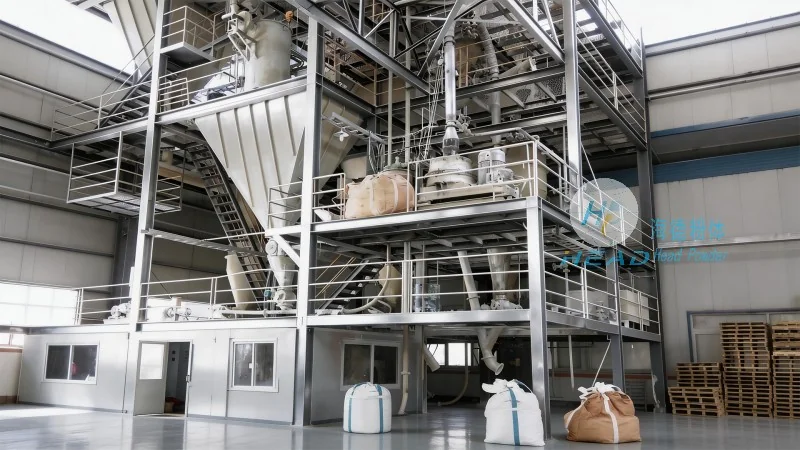
Pneumatic conveying systems are widely employed in various stages of PVC resin processing. In the raw material storage and transfer phase, these systems efficiently move resin from bulk storage silos to processing plants, minimizing manual handling and potential product loss. During the compounding stage, where PVC resin is mixed with additives like plasticizers and stabilizers, pneumatic conveying ensures a uniform blend by delivering materials at controlled rates. In the extrusion and molding processes, the system transports resin to the processing equipment, maintaining consistent material flow and preventing interruptions in production. HeadPowder has successfully implemented such systems in numerous PVC manufacturing facilities, enhancing operational efficiency and product quality.
Considerations for Designing an Optimal Pneumatic Conveying System for PVC Resin
Designing an effective pneumatic conveying system for PVC resin requires careful consideration of several factors. The first is the material’s physical properties, including particle size, density, and moisture content, as these influence the required air velocity and pressure. For PVC resin, which often has a relatively high density and can be abrasive, the pipeline and components must be constructed from durable materials to withstand wear and corrosion. The system’s layout, including the number and placement of feed points and receivers, is also critical to ensure efficient material transport without excessive pressure drops or material buildup. HeadPowder’s engineers conduct thorough site assessments and material analysis to design systems that optimize conveying efficiency while minimizing energy consumption and operational costs. By adhering to these design principles, manufacturers can achieve reliable and cost-effective PVC resin handling solutions.




