Urea, a crucial nitrogen fertilizer, is widely used in agricultural and industrial applications. The efficient and safe transportation of urea from production sites to storage or distribution centers is essential for maintaining supply chain integrity. Pneumatic conveying systems have emerged as a reliable solution for handling urea, offering advantages such as dust control, reduced material degradation, and enhanced operational flexibility. This article provides an overview of urea pneumatic conveying equipment, focusing on its structural components and operational principles.
Key Structural Components of Urea Pneumatic Conveying Systems
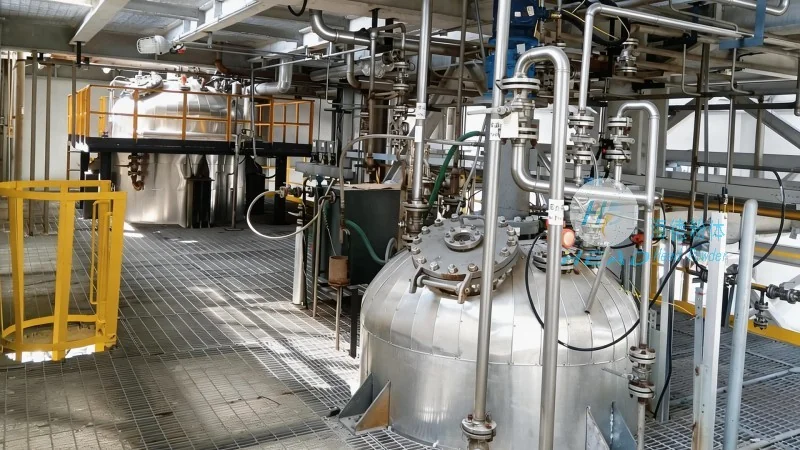
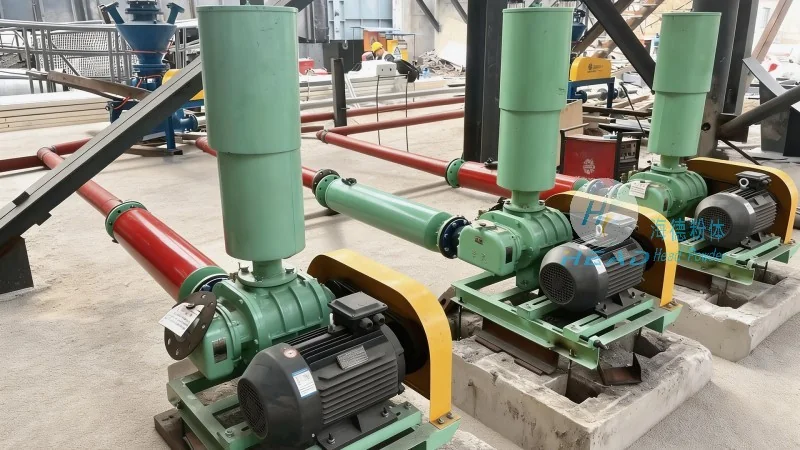
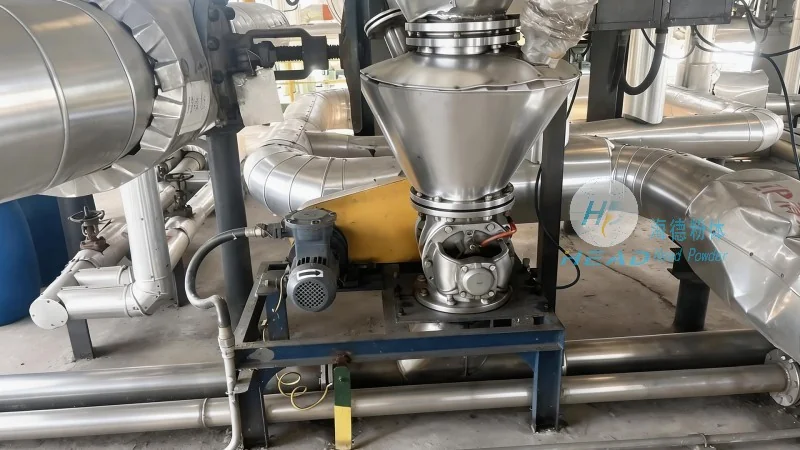
The urea pneumatic conveying system typically consists of several interconnected components that work in tandem to transport urea particles through a pipeline. The primary components include a material feeder, a blower or air compressor, a conveying line, and a receiver or discharge unit. The material feeder, often a rotary valve or screw feeder, ensures a consistent and controlled flow of urea into the system. This component is critical for maintaining uniform particle size and preventing blockages. The blower or air compressor generates the necessary air pressure to move the urea particles through the conveying line. The conveying line, usually made of stainless steel or other corrosion-resistant materials, is designed to withstand the abrasive nature of urea particles and the pressure of the air flow. The receiver or discharge unit collects the urea at the end of the conveying line, allowing for safe and efficient unloading. Additional components may include filters, silencers, and pressure relief valves to ensure system safety and performance.
Working Principle of Urea Pneumatic Conveying
The operation of a urea pneumatic conveying system relies on the principle of air suspension, where urea particles are carried by a stream of air within the conveying line. The system can operate in either positive or negative pressure modes. In positive pressure systems, the blower pushes air and urea particles through the line, while negative pressure systems use a vacuum to draw the material into the line. The material feeder introduces urea into the air stream, and the air velocity is maintained at a level sufficient to keep the particles suspended and prevent deposition. The conveying line transports the urea mixture to the receiver, where the air is separated from the urea and either recirculated or vented. The receiver then discharges the urea into a storage or processing facility. The entire process is controlled by a system of valves, sensors, and controls that monitor pressure, flow rate, and material level, ensuring optimal performance and safety.
Advantages of Urea Pneumatic Conveying Equipment
Urea pneumatic conveying equipment offers several advantages over traditional methods like belt conveyors or bucket elevators. One of the key benefits is the ability to handle urea in a dust-free environment, reducing the risk of inhalation and contamination. The system also minimizes material degradation, as the particles are not subjected to mechanical stress or friction during transport. Additionally, pneumatic conveying systems are more flexible in terms of layout, allowing for vertical and horizontal transport combinations without the need for complex infrastructure. The equipment is also relatively easy to install and maintain, with modular components that can be replaced or upgraded as needed. Furthermore, the system can be integrated with other processing equipment, such as granulators or mixers, to form a complete urea handling solution.
Applications in the Urea Industry
Urea pneumatic conveying equipment is widely used in the urea production and processing industry. It is commonly employed in the transportation of urea from the granulation or prilling process to storage silos or loading facilities. The equipment is also used in the distribution of urea to farms or industrial sites, where it may be further processed into other fertilizers or chemical products. The system's ability to handle large volumes of urea efficiently makes it suitable for both small-scale and large-scale operations. In addition, the equipment is used in research and development facilities to transport urea for testing and analysis, ensuring accurate and reliable results.
Conclusion
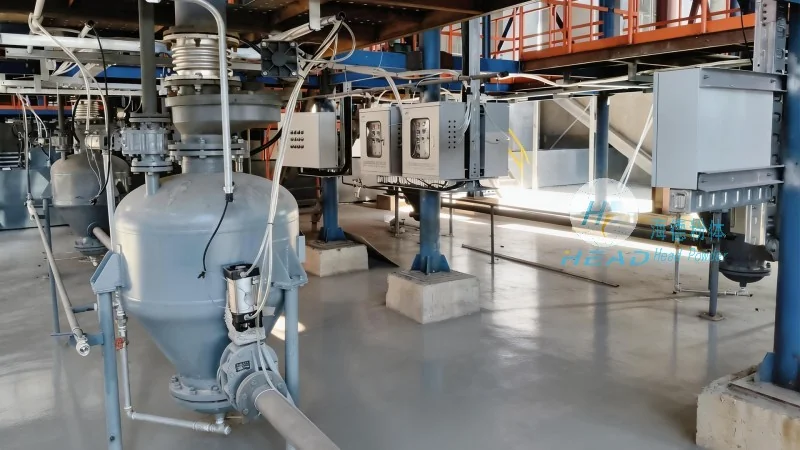
Urea pneumatic conveying equipment is a critical component in the efficient and safe handling of urea. Its structural design and operational principles ensure reliable transport of urea particles while minimizing risks and maximizing performance. The equipment, manufactured by Shandong HeadPowder Engineering Co., Ltd., a leading company in the field, offers advanced solutions tailored to the needs of the urea industry. With its focus on quality and innovation, HeadPowder provides durable and efficient pneumatic conveying systems that meet the highest standards of performance and safety.




