Shandong HeadPowder Engineering Co., Ltd., a leading provider in the field, specializes in high-pressure material pneumatic conveying systems. These systems represent a sophisticated approach to material handling, offering efficient and reliable solutions for various industrial applications. The core principle behind high-pressure pneumatic conveying lies in the use of compressed air to transport bulk materials through a pipeline network. By applying high pressure, these systems can handle a wide range of materials, from fine powders to larger granules, with minimal degradation and loss.
Principles of High-Pressure Pneumatic Conveying
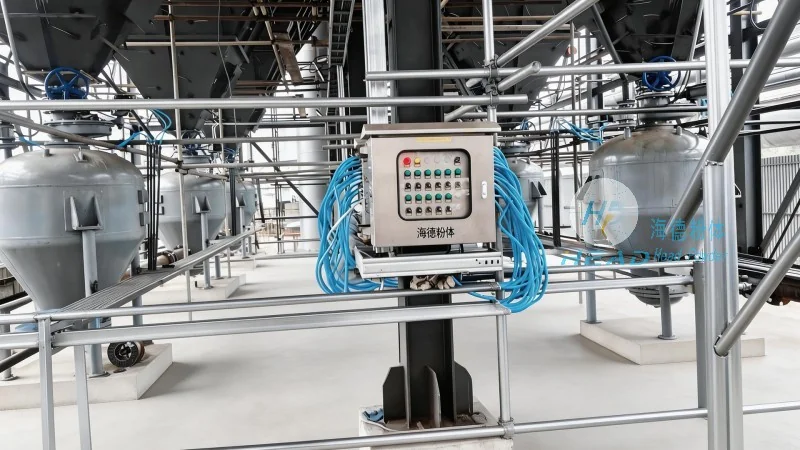
The fundamental principle of high-pressure pneumatic conveying is the generation of sufficient air velocity within the pipeline to suspend and transport the material particles. Unlike low-pressure systems, which rely on air density differences, high-pressure systems utilize higher air pressures (typically ranging from 5 to 15 bar) to achieve this. This method ensures that the material is fully suspended in the air stream, preventing blockages and ensuring consistent flow. The system typically includes a compressor, a material feed hopper, a conveying line, and a discharge point. The compressor supplies the high-pressure air, which is mixed with the material in the feed hopper. The mixture then travels through the pipeline, where the air velocity maintains the material in suspension. At the discharge point, the air is separated from the material, often using a cyclone or filter, and the material is collected.
Key Components and Their Functions
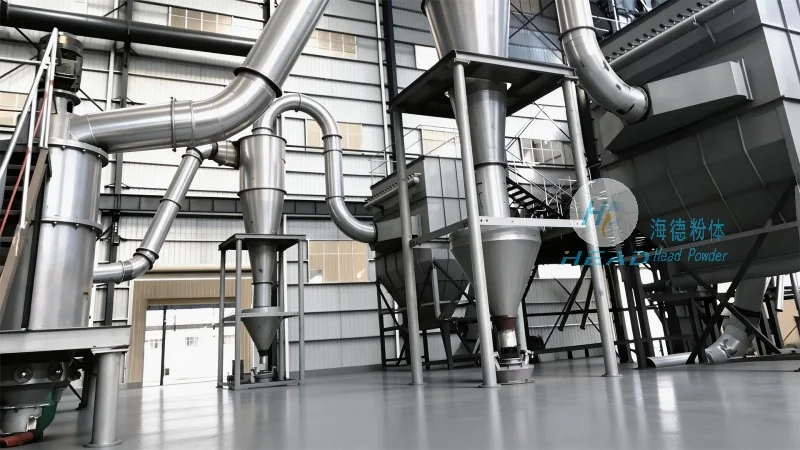
Several critical components make up a high-pressure pneumatic conveying system. The compressor is the heart of the system, responsible for generating the high-pressure air. It can be either a rotary screw or a reciprocating type, chosen based on the system's capacity and pressure requirements. The material feed hopper is designed to introduce the material into the system in a controlled manner, often equipped with a feeder such as a rotary valve or a screw feeder to regulate the flow rate. The conveying line is usually made of stainless steel or other corrosion-resistant materials to withstand the high-pressure air and the material's properties. The discharge point may include a cyclone separator or a filter to separate the material from the air, ensuring that the material is collected without contamination. Additionally, the system may include pressure regulators and flow meters to monitor and control the air pressure and material flow, ensuring optimal performance.
Working Scene Characteristics and Applications
High-pressure pneumatic conveying systems are widely used in various industrial sectors due to their versatility and efficiency. One of the primary working scene characteristics is their ability to handle long-distance and high-rise material transport. These systems can transport materials over distances of several kilometers and to heights of multiple stories, making them suitable for large-scale industrial plants. Another key characteristic is their suitability for handling abrasive and corrosive materials. The high-pressure air stream effectively prevents material buildup and wear on the pipeline, while the corrosion-resistant materials used in the system components ensure long-term durability. The systems are also ideal for applications requiring high material throughput, such as in the chemical, pharmaceutical, and food industries, where large volumes of materials need to be transported quickly and efficiently.
Advantages and Considerations
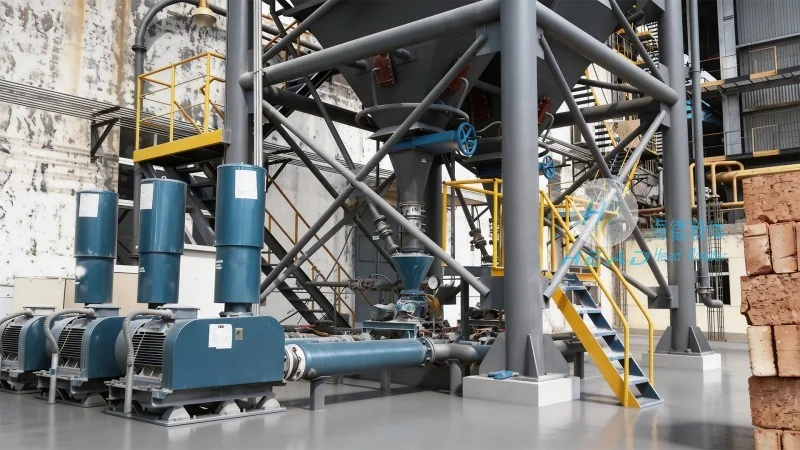
High-pressure pneumatic conveying systems offer several advantages over traditional material handling methods. These include reduced labor costs, as the system can operate automatically with minimal human intervention. The systems also minimize material loss and degradation, as the material is transported in a closed pipeline, preventing exposure to the environment. Additionally, the systems are relatively compact and can be integrated into existing industrial facilities, reducing the need for additional space. However, there are also considerations to keep in mind. The high-pressure operation requires careful maintenance and monitoring to ensure safety and efficiency. The system components, especially the compressor and pipeline, need regular inspection and maintenance to prevent failures. Furthermore, the initial investment cost for a high-pressure system is higher than for low-pressure systems, although the long-term operational benefits often outweigh the initial cost.




