For industrial applications involving yeast materials, air-driven conveying systems offer an efficient and reliable method for material handling. These systems are particularly valuable in the food and beverage industry, where the quality and integrity of yeast are critical. The following content provides an overview of the principles behind such systems and highlights key application scenarios, with a focus on the technical aspects and operational benefits for yeast processing.
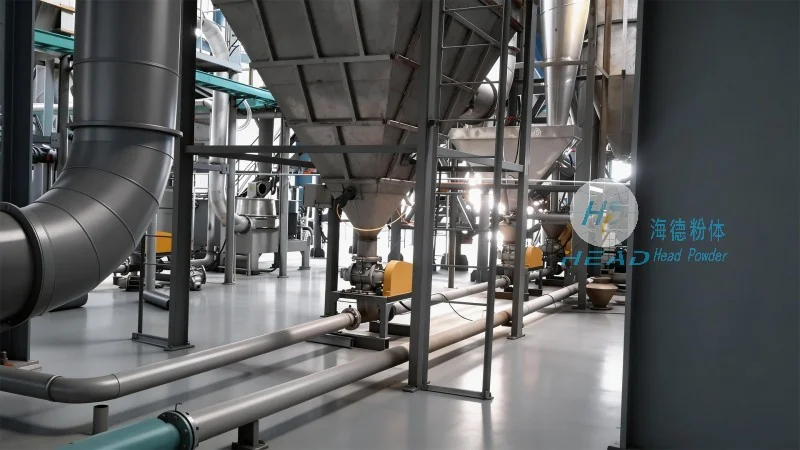
Introduction to Air-Driven Conveying Systems for Yeast Materials
Yeast, a microscopic fungus used extensively in fermentation processes, presents unique handling challenges due to its delicate structure, varying particle sizes, and susceptibility to moisture and temperature changes. Traditional mechanical conveyors may cause damage or agglomeration, compromising the yeast's efficacy. Air-driven conveying systems address these challenges by utilizing the principles of pneumatic transport, which involves moving materials through a pipeline using air pressure or vacuum. This method is ideal for transporting yeast from storage silos to processing equipment, from fermentation tanks to drying units, and across production lines with minimal disruption to the material's quality.
Working Principle of the Air-Driven Conveying System
The core of an air-driven conveying system consists of a blower or fan that generates airflow, a series of pipelines with appropriate diameters and bends, and inlet and outlet points for the yeast material. In a positive pressure system, the blower pushes air into the pipeline, creating a pressure higher than the ambient air, which draws the yeast particles into the system. In a negative pressure system, the blower pulls air out of the pipeline, creating a vacuum that pulls the material in. The choice between positive and negative pressure depends on factors such as the distance of transport, the volume of material, and the need to prevent dust or odors from escaping. For yeast, which is often sensitive to air exposure, a positive pressure system is commonly preferred as it minimizes direct contact with external air and reduces the risk of contamination.
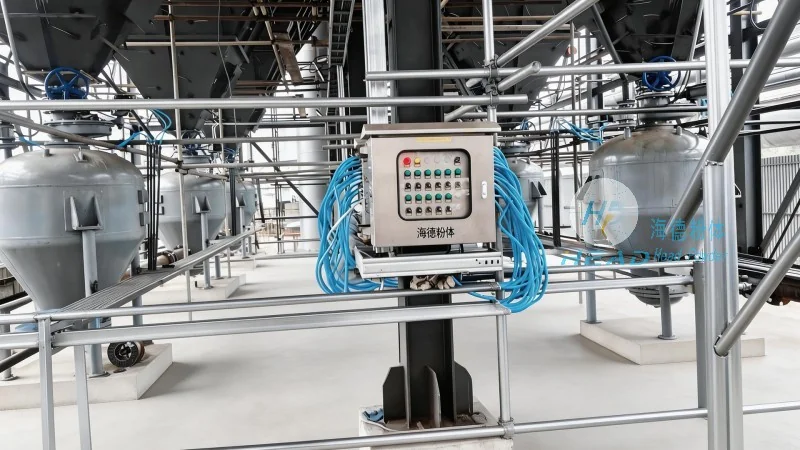
Key Features and Advantages in Application Scenarios
When applied to yeast materials, air-driven conveying systems exhibit several advantages that make them suitable for diverse operational environments. Firstly, they provide a dust-free and hygienic transfer process, which is essential in food production to maintain compliance with regulatory standards. Secondly, the system can handle a wide range of particle sizes, from fine yeast powders to larger granules, without requiring additional processing steps. Thirdly, the enclosed pipeline design prevents cross-contamination with other materials and protects the yeast from environmental factors like humidity and temperature fluctuations. Additionally, air-driven conveyors are flexible in layout, allowing for vertical, horizontal, or inclined transport, which is beneficial in compact production facilities where space is limited. These features collectively enhance the efficiency and safety of yeast handling, reducing downtime and improving overall production throughput.
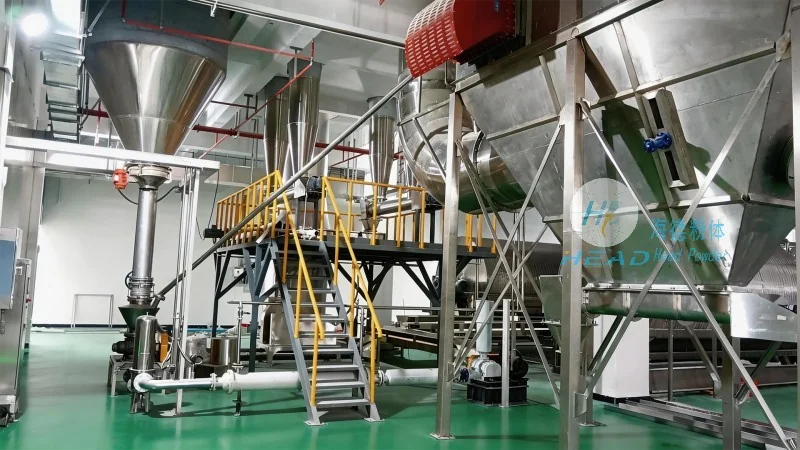
Specific Application Scenarios and Operational Characteristics
Several key application scenarios illustrate the practical use of air-driven conveying systems for yeast materials. One common scenario is the continuous transfer of yeast from bulk storage silos to the fermentation tanks in a brewery or distillery. Here, the system ensures a steady supply of yeast without manual handling, which is both labor-saving and hygienic. Another scenario involves transporting dried yeast from a drying oven to a packaging line. In this case, the system maintains the product's moisture content and prevents breakage during transport, preserving its functional properties. Furthermore, in the production of yeast-based food additives or animal feed supplements, the system can efficiently move yeast from mixing tanks to storage containers, ensuring consistent product quality. Operational characteristics such as adjustable airflow rates, which can be tailored to the specific density and size of the yeast particles, and the ability to integrate with other processing equipment (e.g., mixers, classifiers) enhance the system's adaptability. The use of stainless steel or food-grade materials in the construction of the pipelines and components also ensures that the system meets the stringent hygiene requirements of the food industry.
Company Background and Technical Expertise
Shandong HeadPowder Engineering Co., Ltd., a leading manufacturer based in Shandong, China, specializes in the design, development, and installation of air-driven conveying systems tailored to the needs of the food and pharmaceutical industries. With years of experience in handling sensitive materials like yeast, the company employs advanced engineering techniques to optimize system performance. Their expertise includes customizing pipeline configurations, selecting appropriate blower types, and integrating control systems that monitor airflow, pressure, and material flow rates in real-time. By leveraging their technical knowledge and local manufacturing capabilities, Shandong HeadPowder Engineering Co., Ltd. provides reliable solutions that meet the specific requirements of yeast processing facilities, ensuring efficient, safe, and cost-effective material handling throughout the production process.




