HeadPowder, a leading provider of advanced pneumatic conveying solutions, specializes in the design, manufacturing, and implementation of efficient systems for transporting powder materials. Based in Shandong, China, the company leverages decades of industry experience to deliver reliable and high-performance equipment tailored to diverse industrial applications.
Understanding Pneumatic Conveying Systems
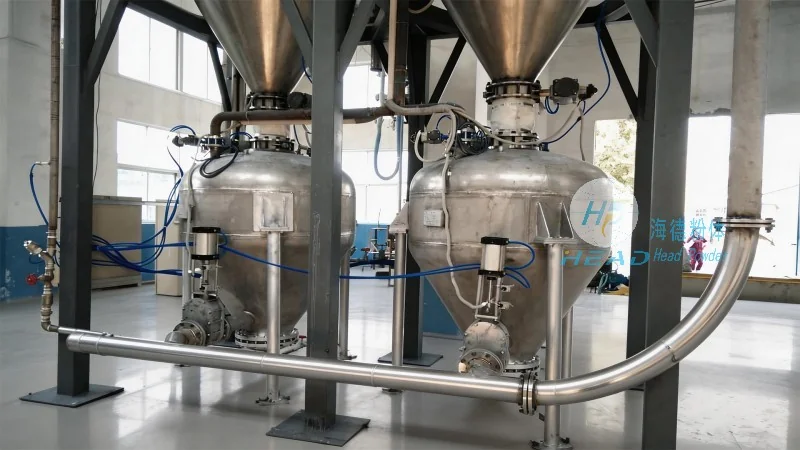
Pneumatic conveying systems are engineered to transport bulk powder materials through a network of pipes using pressurized air or vacuum. These systems offer a flexible and efficient alternative to traditional mechanical conveying methods, such as screw conveyors or belt conveyors, by eliminating the need for moving parts in contact with the material. The core components of a typical pneumatic conveying system include a hopper for material storage, a feeder to control the flow rate, a conveying line, and a receiver for the discharged material. The system may also incorporate additional components like filters, cyclones, or silencers to ensure operational safety and environmental compliance.
The Working Principle of Pneumatic Conveying
The fundamental principle behind pneumatic conveying is the use of air as the medium to move powder particles. In a pressurized system, air is introduced into the hopper, creating a pressure differential that forces the powder to flow through the conveying line. The velocity of the air determines the conveying capacity and the distance over which the material can be transported. Conversely, in a vacuum system, air is extracted from the receiving end, creating a negative pressure that draws the powder into the line. The choice between pressurized and vacuum operation depends on factors such as the material's properties, the distance to be covered, and the required flow rate.
Key Components and Their Functions
Each component of a pneumatic conveying system plays a critical role in ensuring smooth and efficient operation. The hopper serves as the storage vessel, providing a controlled environment for the powder to accumulate before being fed into the system. The feeder, often a rotary valve or a screw feeder, regulates the flow rate of the material, preventing overloading or underloading of the conveying line. The conveying line, typically made of stainless steel or other corrosion-resistant materials, is designed to withstand the pressure and temperature conditions of the system. The receiver, located at the discharge end, collects the conveyed material and may include features like a discharge valve or a level indicator to monitor the material level.
The Operation Process: From Material Loading to Discharge
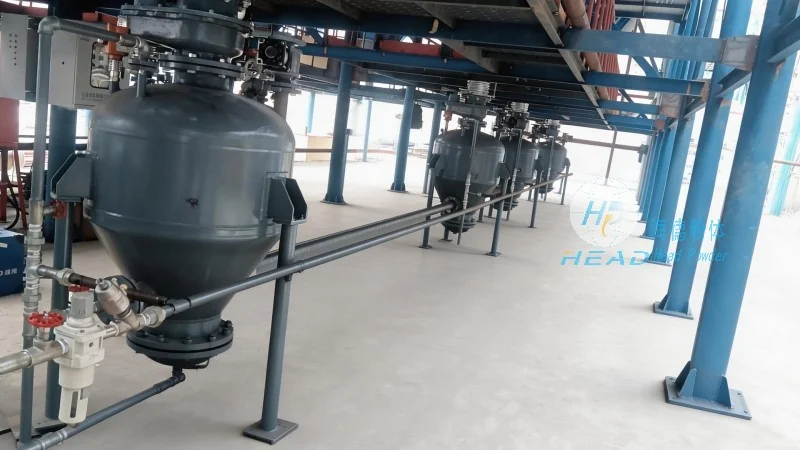
The operation of a pneumatic conveying system involves several sequential steps that ensure the efficient transport of powder materials. The process begins with the loading of the hopper with the powder material. The feeder then starts to deliver the material at a controlled rate, which is adjusted based on the system's capacity and the required flow rate. As the material is fed into the conveying line, the air is introduced, creating a flow that moves the powder particles through the system. The air velocity is maintained at a level sufficient to keep the powder in suspension, preventing blockages or clogging of the line. Upon reaching the receiver, the material is discharged, and the cycle repeats. The system may also include monitoring and control mechanisms to adjust the air pressure, flow rate, or material feed rate in real-time, ensuring optimal performance and preventing operational issues.
Advantages of Pneumatic Conveying Systems
Pneumatic conveying systems offer several advantages over traditional mechanical conveying methods. These include the ability to transport materials over long distances without the need for intermediate transfer points, the elimination of material contamination due to the absence of metal-to-metal contact, and the flexibility to handle a wide range of powder types, including abrasive or corrosive materials. Additionally, the systems are easy to install and maintain, with minimal moving parts that require regular servicing. The use of air as the conveying medium also allows for the integration of dust collection and filtration systems, ensuring compliance with environmental regulations and maintaining a clean working environment.
Applications in Industrial Settings
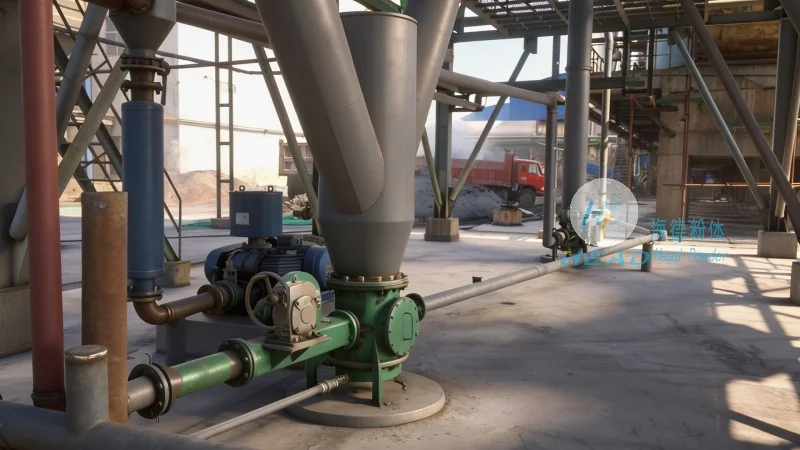
Pneumatic conveying systems are widely used in various industrial sectors, including pharmaceuticals, food processing, chemical manufacturing, and mining. In the pharmaceutical industry, these systems are employed to transport active pharmaceutical ingredients (APIs) and excipients with high precision and minimal risk of contamination. In food processing, they are used to convey powders like flour, sugar, and spices, ensuring hygienic and efficient handling. Chemical manufacturers utilize pneumatic conveying for transporting bulk chemicals, such as powders and granules, while mining operations use these systems to transport ore and other mineral powders from processing plants to storage facilities. The versatility and reliability of pneumatic conveying systems make them an essential component in modern industrial operations.
HeadPowder's Commitment to Quality and Innovation
HeadPowder Engineering Co., Ltd., based in Shandong, China, is dedicated to providing cutting-edge pneumatic conveying solutions that meet the evolving needs of industrial clients. The company's expertise lies in designing customized systems that optimize material flow, reduce operational costs, and enhance overall productivity. By leveraging advanced engineering techniques and rigorous quality control processes, HeadPowder ensures that its systems are durable, efficient, and compliant with international standards. The company's commitment to innovation is reflected in its continuous research and development efforts, which focus on improving system performance, enhancing safety features, and expanding the range of applications for pneumatic conveying technology.
Conclusion
Pneumatic conveying systems represent a sophisticated and efficient solution for the transport of powder materials in industrial settings. From their fundamental working principles to the detailed operation processes, these systems offer numerous advantages over traditional conveying methods. With a focus on quality, innovation, and customer satisfaction, companies like HeadPowder Engineering Co., Ltd. play a crucial role in advancing the technology and ensuring the reliable operation of pneumatic conveying systems worldwide.




