Straw powder material pneumatic conveying systems are advanced industrial solutions designed to transport bulk materials like straw powder efficiently and reliably. These systems utilize air or gas as the conveying medium to move materials from one location to another, eliminating the need for traditional mechanical conveyors. The technology is widely adopted in agricultural processing, biomass energy production, and other industries where handling fine powders is essential. This article provides a detailed overview of the operation process and working principles of such systems, highlighting the key components, operational steps, and the benefits they offer.
Key Components of a Pneumatic Conveying System
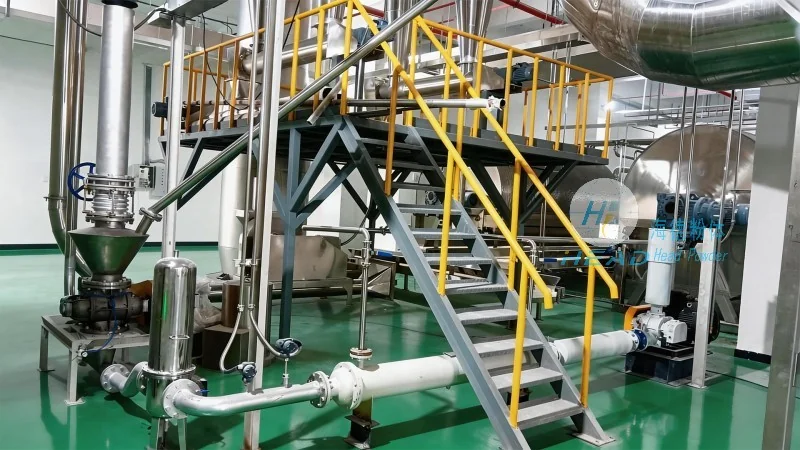
A typical straw powder pneumatic conveying system consists of several critical components that work in harmony to ensure smooth material transport. The main components include a material hopper, a rotary airlock valve, a conveying pipeline, a dust separator, and a receiver. The material hopper stores the straw powder and feeds it into the system. The rotary airlock valve controls the flow of material from the hopper into the pipeline, preventing backflow and ensuring a consistent feed rate. The conveying pipeline is where the material is transported using air or gas. The dust separator removes any excess air and particulate matter from the conveyed material, improving air quality and preventing clogging. Finally, the receiver collects the transported straw powder at the destination point.
Working Principle of the Pneumatic Conveying Process
The operation of a straw powder pneumatic conveying system is based on the principle of creating a pressure differential between the material source and the destination. The process begins with the material being fed into the hopper from a storage silo or processing unit. The rotary airlock valve then regulates the flow of material into the conveying pipeline. Simultaneously, a fan or blower generates a flow of air or gas within the pipeline, creating a positive or negative pressure gradient. This pressure difference propels the straw powder particles through the pipeline. The air and material mixture travels to the destination, where the dust separator separates the material from the air. The separated material is collected in the receiver, while the clean air is either discharged or recirculated, depending on the system design.
Operation Process: Step-by-Step Guide
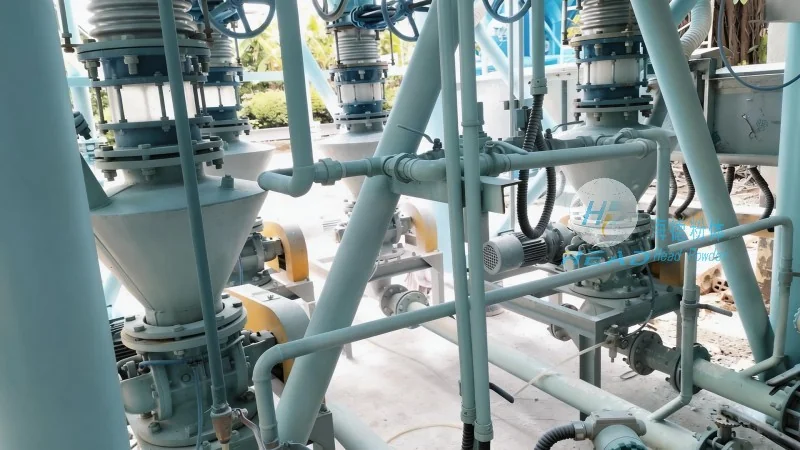
The operation of a straw powder pneumatic conveying system follows a systematic process to ensure optimal performance and material handling. The first step is the preparation phase, where the straw powder is loaded into the material hopper. This is followed by the start-up sequence, which involves activating the fan or blower and opening the rotary airlock valve to initiate material flow. During the conveying phase, the system continuously transports the straw powder from the source to the destination, maintaining a stable flow rate. The system monitors key parameters such as pressure, flow rate, and material level to ensure smooth operation. If any issues arise, such as clogging or pressure drop, the system may automatically adjust or alert operators for intervention. The final step is the shutdown process, where the fan is turned off, the rotary airlock valve is closed, and the material is discharged from the receiver. This step ensures that all components are properly secured and the system is ready for the next cycle.
Benefits and Applications of Straw Powder Pneumatic Conveying Systems
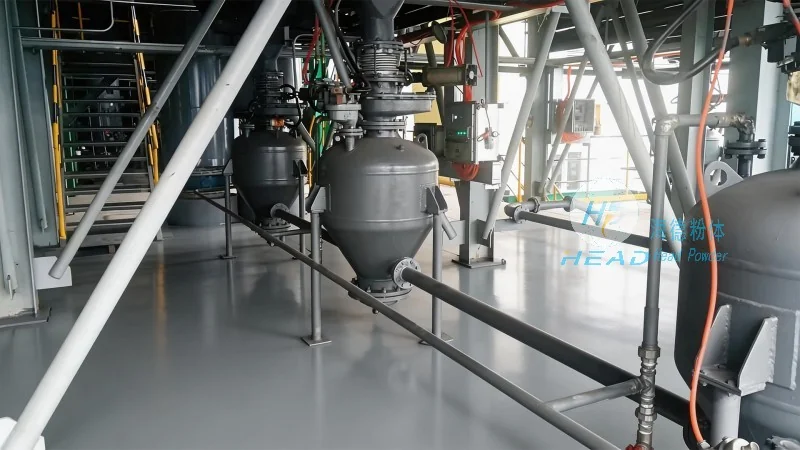
Straw powder pneumatic conveying systems offer numerous advantages over traditional mechanical conveyors. They are highly efficient in transporting fine powders over long distances, with minimal material loss and contamination. The systems are also flexible, allowing for changes in material flow rates and destinations without major modifications. Additionally, they are compact and can be installed in confined spaces, making them suitable for various industrial settings. The applications of these systems are diverse, including the transport of straw powder from storage facilities to processing plants, the delivery of biomass fuel to boilers, and the handling of fine powders in agricultural processing. The systems are particularly beneficial in industries where hygiene and dust control are critical, as they minimize the risk of dust exposure and contamination.
Conclusion and Company Information
Straw powder material pneumatic conveying systems are essential equipment for modern industrial operations, providing efficient and reliable transport of bulk materials. The operation process involves a series of coordinated steps, from material feeding to final delivery, ensuring smooth and continuous material handling. The working principles rely on pressure differentials and air flow to move the material through the system. By understanding the key components and operational steps, users can optimize the performance of these systems and maximize their benefits. For professional solutions and high-quality equipment, Shandong HeadPowder Engineering Co., Ltd. offers advanced pneumatic conveying systems tailored to the specific needs of various industries. With their expertise and commitment to quality, the company provides reliable and efficient solutions for straw powder material transport, supporting the growth and development of the agricultural and biomass energy sectors.




