Micro silica powder, a fine particulate material widely utilized in construction, refractory, and other industrial sectors, demands efficient and reliable handling methods to preserve its quality and ensure operational safety. Pneumatic conveying systems have become a preferred solution for transporting such powders due to their ability to handle delicate materials with minimal degradation. This article provides an in-depth exploration of the operation process and working principle of a micro silica powder material pneumatic conveying system, detailing the key components, step-by-step procedures, and the underlying physics that enable effective material transport.
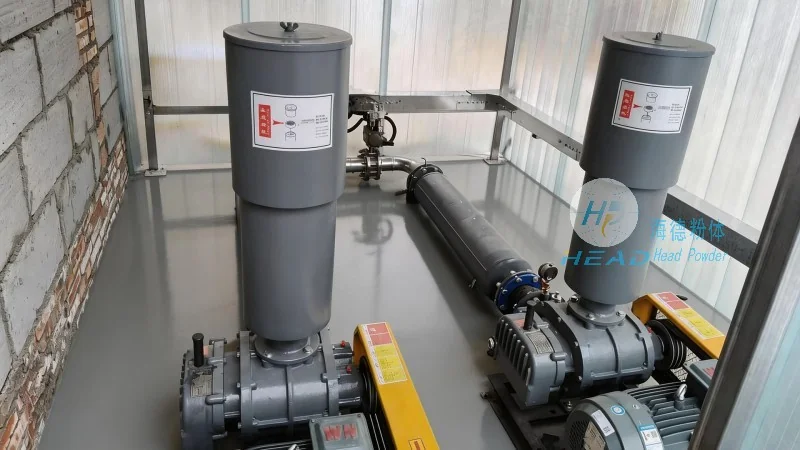
System Overview and Core Components
The micro silica powder pneumatic conveying system comprises several interconnected components designed to facilitate the movement of the material from the source to the destination. The primary components include a material feeder, a pneumatic conveying line (often equipped with pressure or vacuum control), a gas source (such as a blower or compressor), a separation and filtration system, and a discharge unit. Each component plays a critical role in ensuring the system operates efficiently and safely. The material feeder is responsible for feeding the micro silica powder into the conveying line at a controlled rate, preventing blockages and maintaining consistent flow. The pneumatic conveying line, constructed from materials resistant to abrasion and corrosion (such as stainless steel or specialized polymers), transports the powder through the system. The gas source provides the necessary air or gas flow to move the particles, while the separation and filtration system ensures that the powder is separated from the air stream and collected in a clean manner. The discharge unit then delivers the powder to the final storage or processing location.
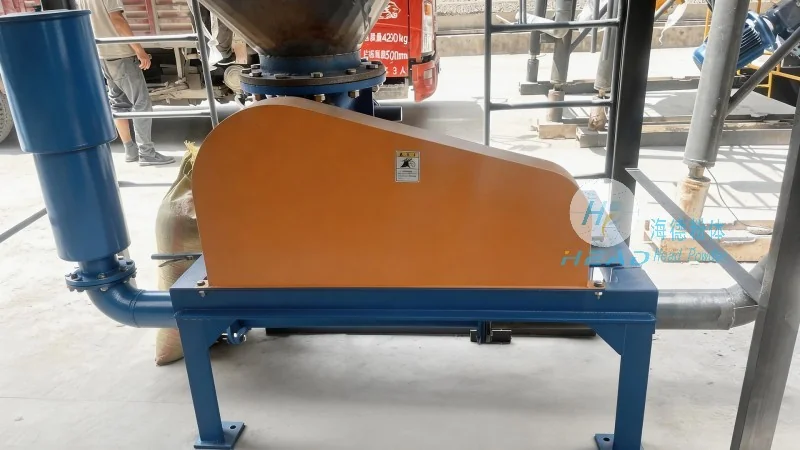
Operation Process of the Pneumatic Conveying System
The operation of the micro silica powder pneumatic conveying system follows a systematic sequence of steps to ensure smooth and continuous material transport. The process begins with the preparation of the material, where the micro silica powder is loaded into the feeder hopper. Once the feeder is filled, the system is activated by starting the gas source. The gas flow is then adjusted to the appropriate pressure or vacuum level, depending on the system design. As the gas flows through the conveying line, it picks up the micro silica powder particles, forming a slurry-like mixture known as a "conveying stream." The conveying stream travels through the pipeline to the destination point, where it is separated from the air using a cyclone or other separation device. The separated powder is then collected in a storage bin or directly fed into the next processing stage. The air, now free of powder, is either vented to the atmosphere or recirculated through a filtration system to prevent dust contamination. The system continues to operate in a closed loop, with the feeder replenishing the material as it is consumed, maintaining a steady flow rate. This continuous operation minimizes downtime and ensures consistent performance.
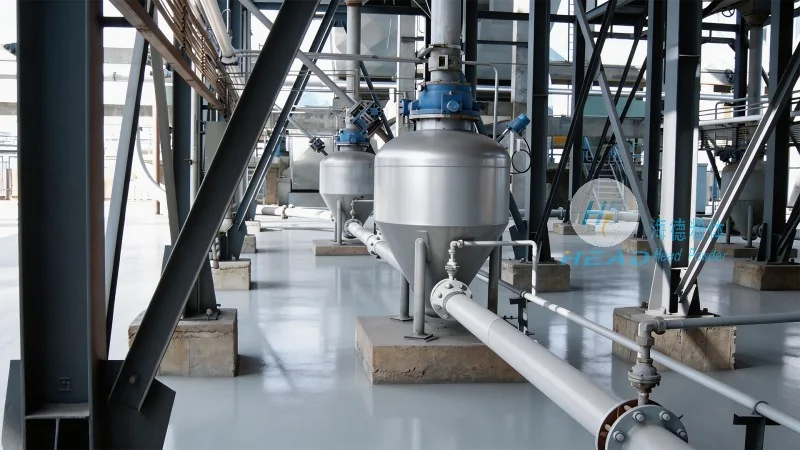
Working Principle Explained
The working principle of the pneumatic conveying system for micro silica powder is based on the fundamental physics of fluid dynamics and particle motion. The system operates by creating a pressure differential between the inlet and outlet of the conveying line. In a positive pressure system, the gas source generates high-pressure air that forces the powder particles to move through the pipeline. The air velocity is typically maintained above the "carrying velocity" of the powder, which is the minimum velocity required to keep the particles suspended and prevent them from settling. This carrying velocity depends on factors such as particle size, density, and the air flow rate. In a negative pressure (or vacuum) system, the gas source creates a low-pressure environment that draws the powder particles into the conveying line. The vacuum is generated by a fan or vacuum pump, and the air flow is directed to pull the powder from the source to the destination. The separation process relies on the principle of centrifugal force, where the powder particles are separated from the air stream by rotating the mixture in a cyclone or other separator. The heavier powder particles are forced to the outer wall of the separator and fall to the bottom, while the lighter air passes through the center and is discharged. This separation mechanism ensures that the powder is collected in a clean and dry state, ready for further use.
Advantages of the System for Micro Silica Powder Handling
Implementing a pneumatic conveying system for micro silica powder offers several significant advantages over traditional methods such as belt conveyors or bucket elevators. One of the key benefits is the ability to handle delicate and abrasive materials without causing degradation or damage. The enclosed system prevents contamination from external sources and minimizes dust exposure, which is crucial for maintaining the purity of the micro silica powder. Additionally, pneumatic conveying systems are highly flexible, allowing for changes in the material flow rate or destination without major modifications to the infrastructure. The system can be easily integrated with other processing equipment, such as mixers or reactors, to form a seamless production line. Another advantage is the reduced maintenance requirements compared to mechanical systems, as there are fewer moving parts and less wear and tear on components. The system also offers energy efficiency, as the gas source can be optimized to use minimal power while maintaining the required flow rates. Overall, the pneumatic conveying system provides a reliable, efficient, and cost-effective solution for handling micro silica powder, making it an ideal choice for industries that require high-quality material transport.
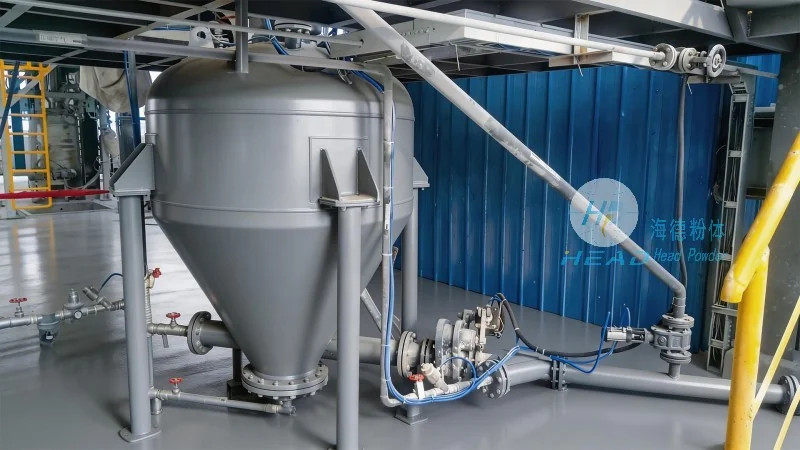
Company Profile: Shandong HeadPowder Engineering Co., Ltd.
Shandong HeadPowder Engineering Co., Ltd., commonly known as headpowder, is a leading provider of engineering solutions for material handling systems, specializing in the design, manufacturing, and installation of pneumatic conveying equipment. With a strong focus on innovation and customer satisfaction, the company has established itself as a trusted partner for industries dealing with fine powders and granular materials. Headpowder's expertise lies in customizing pneumatic conveying systems to meet the specific needs of clients, ensuring optimal performance and reliability. The company's facilities are located in Shandong, China, where it leverages advanced technology and a skilled workforce to deliver high-quality products and services. By adhering to stringent quality standards and providing comprehensive after-sales support, headpowder has built a reputation for excellence in the industry, helping clients improve their operational efficiency and product quality.




