HeadPowder, a leading engineering company based in Shandong, China, specializes in the design, manufacturing, and implementation of advanced pneumatic conveying systems for transporting dusty materials. These systems are essential in various industrial applications where efficient and reliable material handling is critical. The following content provides a detailed overview of the operation process and working principles of such systems, highlighting the key components and mechanisms involved.
Key Components of Pneumatic Conveying Systems
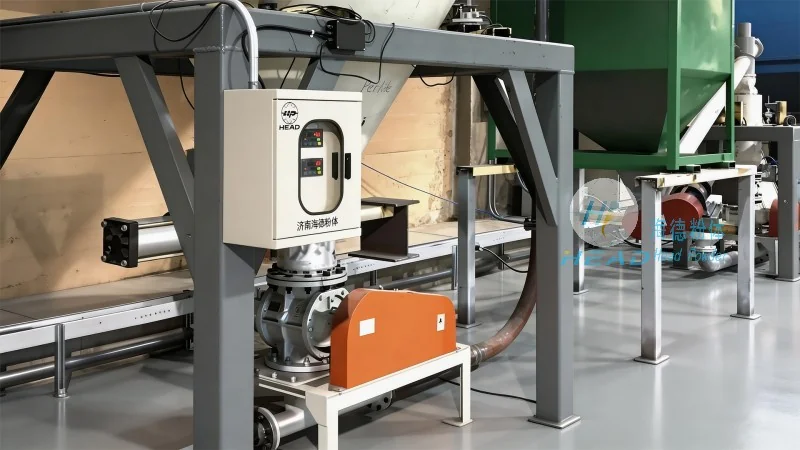
A typical dusty material pneumatic conveying system consists of several core components that work in tandem to ensure smooth material transport. The primary elements include a material feed hopper, a conveyor pipeline, a blower or air compressor, a control system, and a discharge unit. The feed hopper is responsible for storing and feeding the dusty material into the system. It is equipped with a feeder mechanism, such as a rotary valve or a screw feeder, which regulates the flow of material into the pipeline. The conveyor pipeline, usually made of stainless steel or other corrosion-resistant materials, is designed to withstand the abrasive nature of dusty materials and maintain airtight integrity. The blower or air compressor generates the necessary airflow to move the material through the pipeline. It can be a positive displacement blower or a centrifugal fan, depending on the system requirements. The control system monitors and adjusts the airflow and material flow rates to maintain optimal operation. Finally, the discharge unit, which may include a rotary valve or a gate valve, controls the release of the material from the pipeline into the destination container or processing equipment.
Operation Process of Pneumatic Conveying Systems
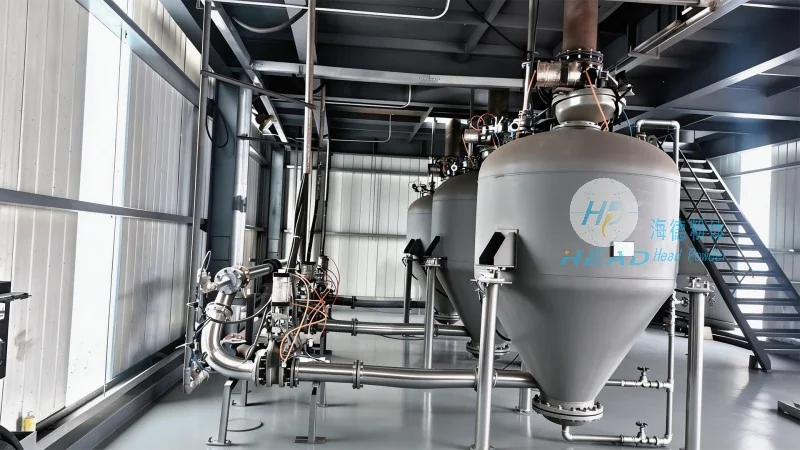
The operation of a dusty material pneumatic conveying system involves a sequential process that ensures the efficient transport of material from the source to the destination. The process begins with the material being loaded into the feed hopper. The feeder mechanism then regulates the flow of material into the pipeline, ensuring a consistent feed rate. Simultaneously, the blower or air compressor starts operating, generating the required airflow. The material is then entrained by the airflow within the pipeline and transported to the discharge unit. The control system continuously monitors the system parameters, such as pressure and flow rate, and adjusts the blower speed or feeder speed as needed to maintain stable operation. The discharge unit then releases the material into the target container or processing equipment. The entire process is automated and can be controlled remotely, allowing for precise and efficient material handling. The system is designed to handle a wide range of dusty materials, including powders, granules, and fine particles, with minimal maintenance and high reliability.
Working Principles of Pneumatic Conveying Systems
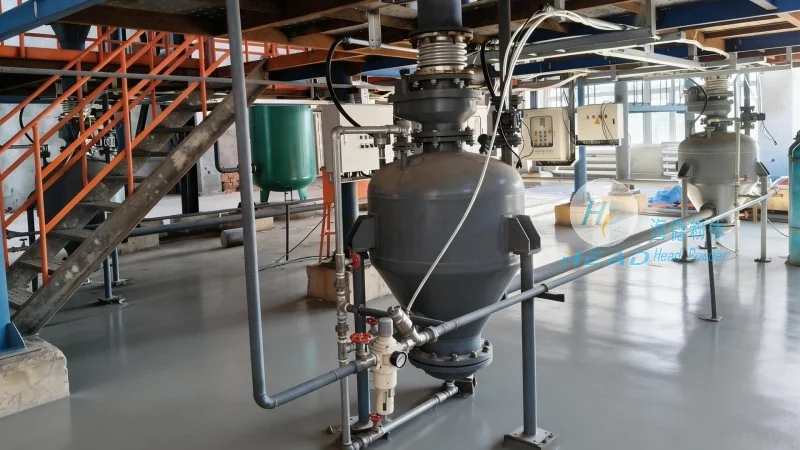
The working principle of a dusty material pneumatic conveying system is based on the use of air as the conveying medium to transport the material. The system operates on the principle of fluidization, where the material is suspended in the airflow and moved through the pipeline. The key mechanism is the entrainment of the material particles by the airflow. The blower or air compressor creates a high-velocity airflow that flows through the pipeline, and the material particles are drawn into the air stream due to the pressure difference between the inlet and outlet of the pipeline. The material is then carried along the pipeline by the airflow, with the velocity of the air being sufficient to overcome the gravitational force acting on the material particles. The system can operate in either positive pressure or negative pressure modes. In positive pressure systems, the blower is located at the inlet of the pipeline, and the air pressure is higher than the ambient pressure, pushing the material through the pipeline. In negative pressure systems, the blower is located at the discharge end, and the air pressure is lower than the ambient pressure, pulling the material through the pipeline. The choice between positive and negative pressure systems depends on the specific application and the characteristics of the material being conveyed.
Advantages of Pneumatic Conveying Systems for Dusty Materials
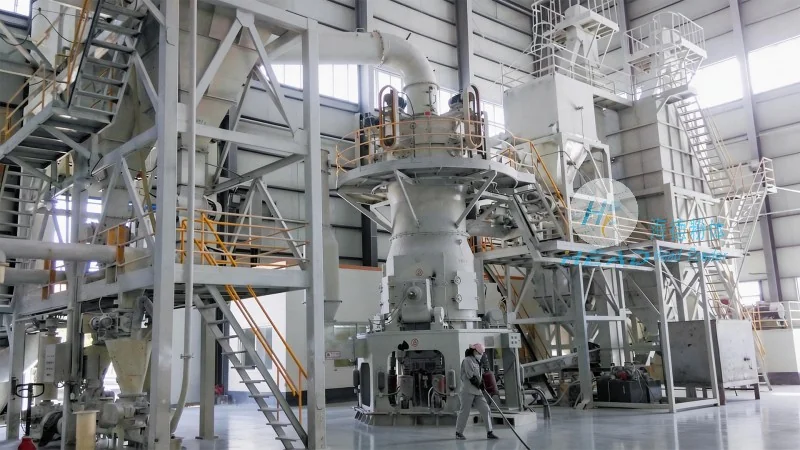
Pneumatic conveying systems offer several advantages over traditional material handling methods, making them ideal for dusty material applications. One of the primary advantages is the ability to transport materials over long distances with minimal loss and contamination. The enclosed pipeline system prevents dust from escaping into the environment, reducing the risk of dust explosions and improving workplace safety. Additionally, the system is highly flexible and can be easily integrated with existing processing equipment. It can handle a wide range of material types, including abrasive and corrosive materials, without causing damage to the equipment. The system also offers high efficiency and low maintenance costs, as it eliminates the need for mechanical components such as conveyors or elevators that are prone to wear and tear. Furthermore, the system can be designed to operate in a closed loop, reducing energy consumption and improving overall operational efficiency.




