PE pellet material pneumatic conveying systems are essential for efficient material handling in various industrial applications. These systems utilize air as the primary medium to transport plastic pellets, such as polyethylene (PE), from one location to another. The technology offers advantages like reduced contamination, minimal product degradation, and the ability to handle materials in a closed environment, making it ideal for applications where cleanliness and product integrity are critical.
Overview of Pneumatic Conveying Systems for PE Pellets
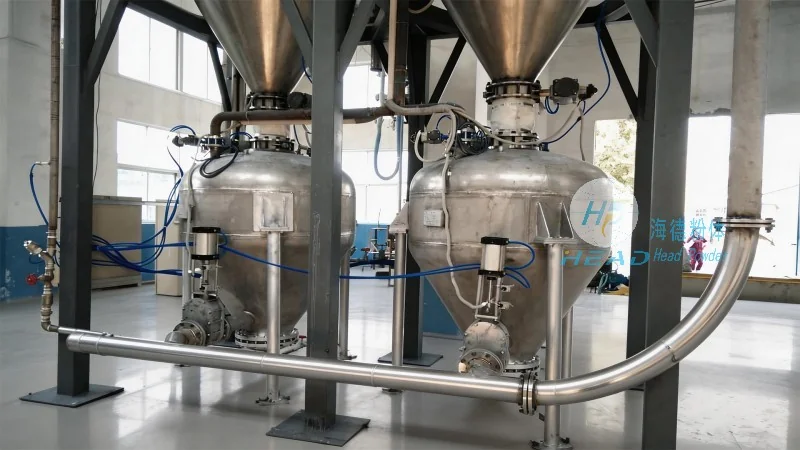
At Shandong HeadPowder Engineering Co., Ltd., we specialize in designing and manufacturing advanced pneumatic conveying systems tailored for PE pellet handling. Our systems are engineered to meet the specific demands of different industries, including plastic manufacturing, packaging, and recycling. The core components of a typical PE pellet pneumatic conveying system include a hopper for material storage, a feeder to control the flow rate, a conveying line (often with multiple sections), and a receiver for the discharged material. Each component is carefully selected and integrated to ensure optimal performance and reliability.
Key Components and Their Functions
The performance of a PE pellet pneumatic conveying system relies on the proper functioning of several key components. The hopper, typically made of stainless steel or other corrosion-resistant materials, stores the PE pellets and provides a consistent feed to the system. The feeder, which can be a rotary valve or a screw feeder, regulates the material flow into the conveying line, preventing overloading and ensuring smooth operation. The conveying line, often constructed from stainless steel or PVC, is designed to withstand the pressure and temperature of the conveying process. It may include sections with different diameters and bends to accommodate the required conveying distance and layout. The receiver, usually a hopper or a storage tank, collects the conveyed PE pellets and can be equipped with a discharge valve for further processing.
Working Principle of the Pneumatic Conveying Process
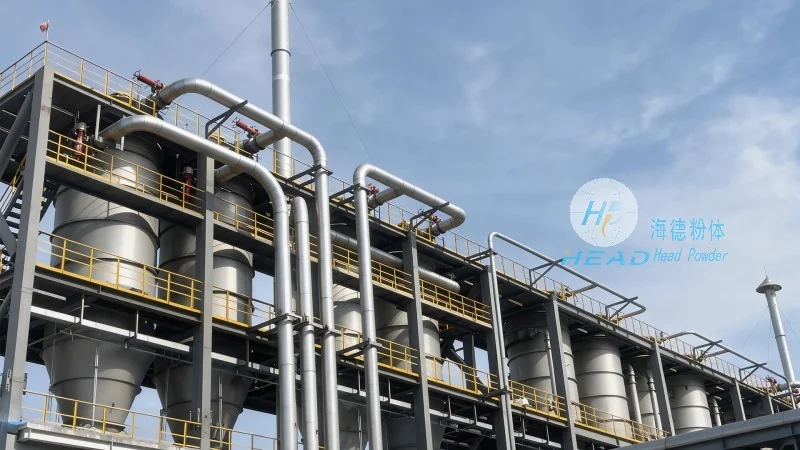
The operation of a PE pellet pneumatic conveying system involves several stages. Initially, the PE pellets are fed into the hopper from a storage silo or a production line. The feeder then controls the flow rate, ensuring a steady supply of material into the conveying line. Air is then introduced into the system, either by a blower or a vacuum pump, creating a pressure or suction environment that propels the pellets through the conveying line. The pellets are carried by the air stream, which can be either a positive pressure system (where air is forced into the line) or a negative pressure system (where air is drawn out of the line). The velocity of the air is critical; it must be sufficient to lift and transport the pellets without causing excessive wear or degradation. The conveying line may include sections with different velocities to optimize the transport efficiency and minimize energy consumption.
Operation Process of the PE Pellet Pneumatic Conveying System
The operation process of a PE pellet pneumatic conveying system typically follows a sequence of steps. First, the system is started by activating the blower or vacuum pump, which establishes the air flow. The feeder is then adjusted to the desired flow rate, and the hopper is filled with PE pellets. As the pellets enter the conveying line, they are carried by the air stream and transported to the receiver. The receiver collects the pellets and may be equipped with a discharge mechanism to transfer them to the next stage of processing, such as molding or packaging. The system continues to operate until the hopper is empty or the required amount of material has been conveyed. During operation, the system monitors key parameters like air pressure, flow rate, and material level to ensure optimal performance and prevent issues like blockages or overloading.
Advantages of Using Pneumatic Conveying for PE Pellets
Employing a pneumatic conveying system for PE pellets offers several advantages over traditional methods like belt conveyors or manual handling. First, the closed system minimizes contamination from dust, moisture, or other environmental factors, which is crucial for maintaining product quality in plastic manufacturing. Second, the system reduces product degradation by avoiding friction and impact during transport, which can affect the material's properties. Third, the system is flexible and can be easily integrated into existing production lines, allowing for changes in layout or capacity without major modifications. Additionally, pneumatic conveying systems are energy-efficient, as they use air as the primary medium, and can handle materials with varying characteristics, such as different pellet sizes or densities.
Applications and Industries
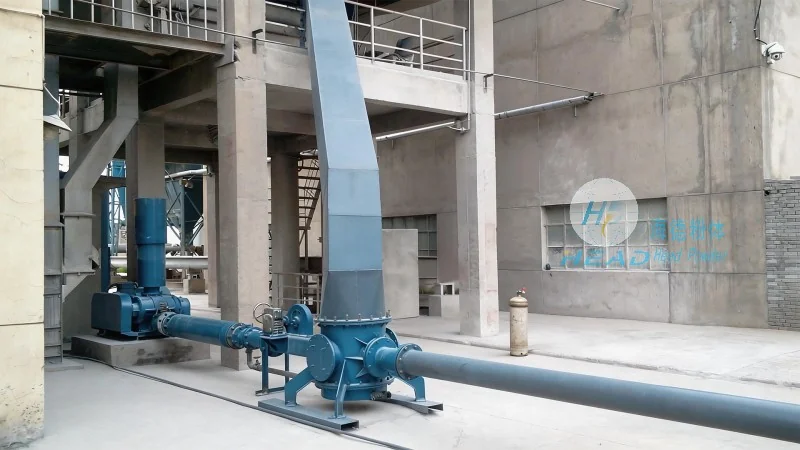
PE pellet pneumatic conveying systems are widely used in various industries that handle plastic materials. In the plastic manufacturing industry, these systems are used to transport PE pellets from storage to extrusion lines or molding machines. In packaging applications, they are employed to move pellets to blow molding or injection molding equipment. The recycling industry also utilizes pneumatic conveying systems to transport recycled PE pellets from sorting facilities to processing plants. The versatility of these systems makes them suitable for a wide range of applications, from small-scale operations to large industrial plants.
Conclusion
PE pellet material pneumatic conveying systems, as provided by Shandong HeadPowder Engineering Co., Ltd., offer efficient, reliable, and cost-effective solutions for material handling in the plastic industry. By understanding the operation process and working principles of these systems, industries can optimize their material transport processes, improve product quality, and enhance overall operational efficiency. With our expertise in designing and manufacturing advanced pneumatic conveying systems, we help our clients achieve their production goals while maintaining the highest standards of product integrity and system performance.




