The magnesium oxide material pneumatic conveying system is a specialized industrial solution designed to efficiently transport magnesium oxide powder or granules over long distances. This system is widely used in various industries, including chemical manufacturing, pharmaceuticals, and food processing, where precise and reliable material handling is critical. The system combines advanced pneumatic technology with robust engineering to ensure safe, efficient, and low-maintenance operation. As a leading provider in the field, Shandong HeadPowder Engineering Co., Ltd. (headpowder) has developed and optimized such systems to meet the diverse needs of modern industrial applications.
Key Components and Their Functions
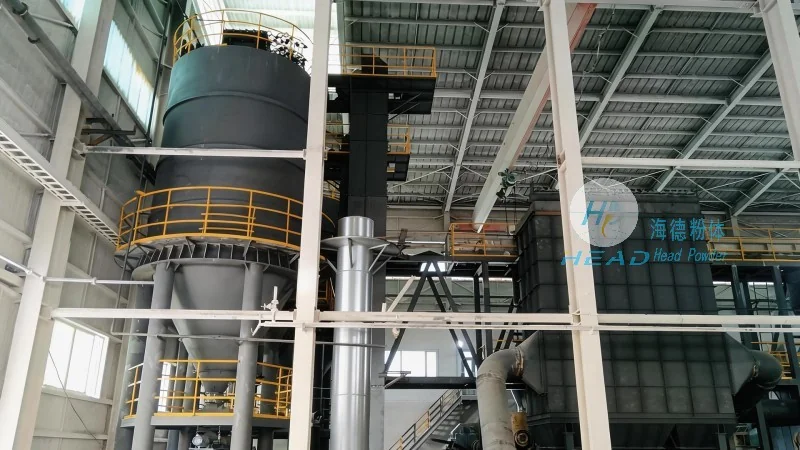
The pneumatic conveying system for magnesium oxide typically consists of several core components, each playing a vital role in the overall operation. These components include the material hopper, which stores the magnesium oxide; the air compressor or blower, which generates the necessary airflow; the conveying pipeline, which transports the material; and the discharge unit, which delivers the material to the destination. Additionally, the system may incorporate filters, silencers, and control valves to ensure smooth and controlled operation. Each component is carefully selected and integrated to ensure optimal performance and minimal downtime.
Operation Process of the Pneumatic Conveying System
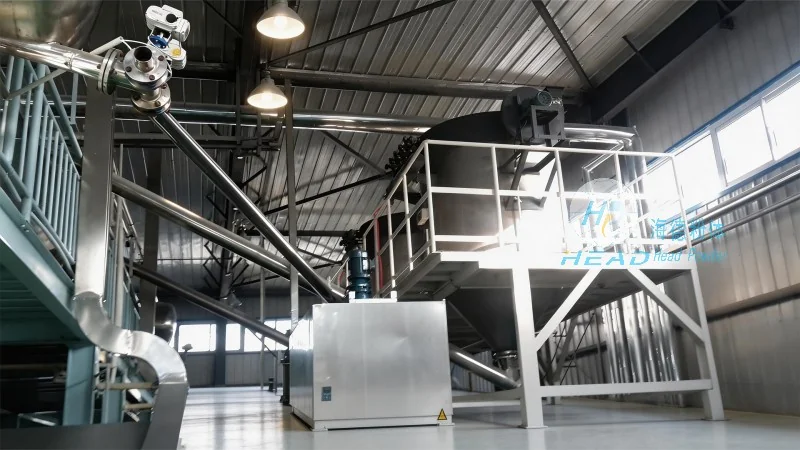
The operation of the magnesium oxide pneumatic conveying system follows a systematic process that ensures consistent and reliable material transport. The process begins with the loading of magnesium oxide into the material hopper. Once the hopper is filled, the air compressor starts, generating a high-pressure airflow. This airflow is directed into the conveying pipeline, creating a pressure differential that draws the magnesium oxide particles into the system. As the particles are entrained by the air, they travel through the pipeline to the discharge unit. The discharge unit then releases the material into the receiving container or processing equipment. The entire process is controlled by a sophisticated system of valves and sensors, which monitor pressure, flow rate, and material level to maintain optimal performance. This automated control ensures that the system operates efficiently and safely, minimizing the risk of material loss or equipment damage.
Working Principle of the Pneumatic Conveying System
The working principle of the magnesium oxide pneumatic conveying system is based on the fundamental concept of pneumatic transport, where solid particles are suspended and transported by an air stream. The system operates under either positive pressure or negative pressure (or a combination of both), depending on the specific application and material characteristics. In positive pressure systems, the air compressor pushes air through the pipeline, creating a pressure higher than the ambient air, which forces the material to move forward. In negative pressure systems, the air is drawn from the pipeline using a vacuum pump, creating a lower pressure that pulls the material into the system. For magnesium oxide, which is a fine powder, the system often uses a positive pressure design to ensure stable and efficient transport, as fine powders are more susceptible to clogging and require consistent airflow. The system's design, including the pipeline diameter, air velocity, and material feed rate, is optimized to prevent particle agglomeration and ensure smooth flow throughout the conveying process.
Advantages of the Magnesium Oxide Pneumatic Conveying System
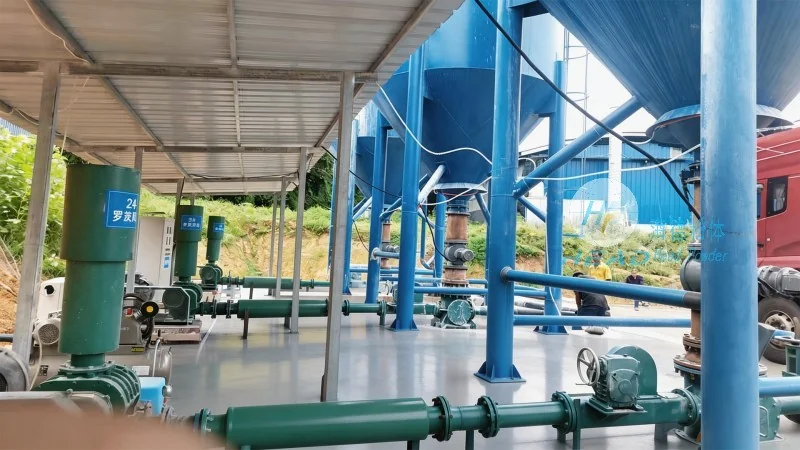
Implementing a pneumatic conveying system for magnesium oxide offers numerous advantages over traditional material handling methods. One of the primary benefits is the ability to transport materials over long distances without the need for intermediate storage or transfer points, which reduces the risk of contamination and material degradation. The system also minimizes labor costs by automating the material handling process, allowing for continuous operation with minimal human intervention. Additionally, the enclosed pipeline design prevents dust emissions, improving workplace safety and compliance with environmental regulations. The system's flexibility allows for easy integration with existing production lines, and its modular design enables scalability to accommodate future production increases. These advantages make the pneumatic conveying system an ideal solution for industries requiring high-purity and consistent material transport.
Application Examples and Industry Impact
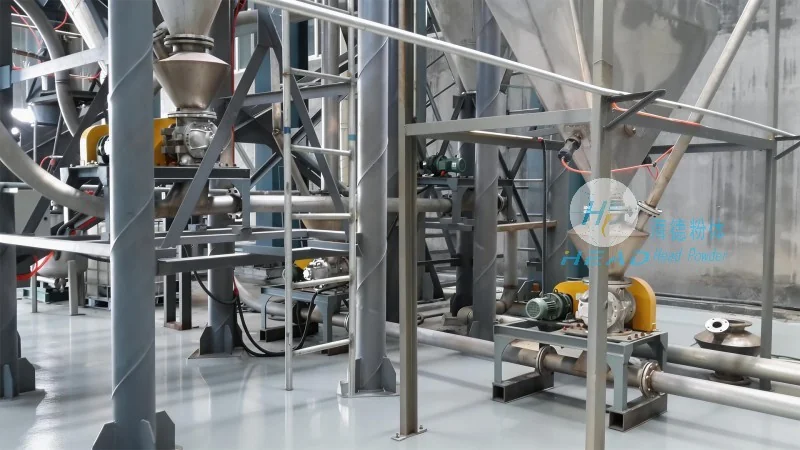
The magnesium oxide pneumatic conveying system is widely applied in various industrial sectors. In the chemical industry, it is used to transport raw magnesium oxide to production reactors, ensuring a steady supply of material for chemical synthesis. In the pharmaceutical industry, the system is employed to handle magnesium oxide as a raw material for drug formulations, maintaining the purity and consistency required for pharmaceutical applications. In the food processing industry, the system is used to transport magnesium oxide as a food additive, ensuring that the material is handled hygienically and without contamination. The system's ability to maintain material integrity and prevent cross-contamination makes it a preferred choice for industries where product quality is paramount. By improving material handling efficiency and reducing operational costs, the system contributes to increased productivity and competitiveness in these industries.
Maintenance and Operational Considerations
To ensure the long-term reliability and efficiency of the magnesium oxide pneumatic conveying system, regular maintenance and proper operational considerations are essential. The system components, such as the air compressor, filters, and conveying pipeline, require periodic inspection and maintenance to prevent wear and tear. The filters, in particular, need to be cleaned or replaced regularly to maintain optimal airflow and prevent dust accumulation. The pipeline should be checked for any signs of blockage or wear, as these can lead to reduced performance or system failure. Additionally, the system's control system should be calibrated regularly to ensure accurate monitoring of pressure, flow rate, and material level. Proper training of operators is also crucial to ensure that they can operate the system safely and efficiently. By following these maintenance and operational guidelines, the system can operate at peak performance, minimizing downtime and maximizing the lifespan of the equipment.




