For industrial applications involving the handling of mica powder, efficient material transport is crucial. The pneumatic conveying system, a technology widely adopted in the powder processing industry, offers a reliable solution for transporting mica powder from storage to processing units. This system combines the principles of fluid dynamics and mechanical engineering to achieve seamless material movement, ensuring minimal product degradation and operational efficiency.
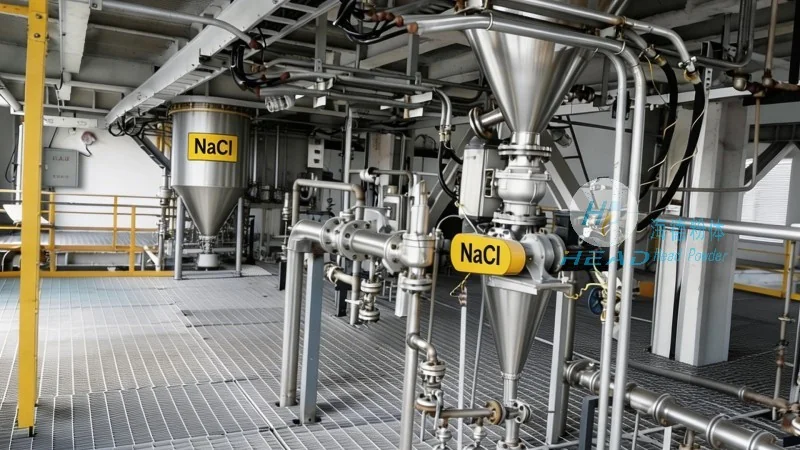
Key Components of the Pneumatic Conveying System
The mica powder pneumatic conveying system typically consists of several core components that work in tandem to facilitate material transport. These include a hopper or storage silo for holding the mica powder, a feeder mechanism to control the flow rate, a conveying line (often equipped with pressure vessels or vacuum pumps), and a receiver or discharge unit where the material is deposited. Each component plays a vital role in maintaining the system's performance and ensuring consistent material handling.
Working Principle of the Pneumatic Conveying Process
The operation of the mica powder pneumatic conveying system is based on the principle of transporting solid particles suspended in a moving gas stream. In a typical system, the mica powder is fed into the conveying line under pressure or vacuum. The gas, usually air or a specific gas mixture, creates a flow that lifts and transports the powder particles through the pipeline. The velocity of the gas and the particle size distribution are critical factors that determine the system's efficiency and the risk of particle degradation. The system can operate in either pressure or vacuum mode, depending on the application requirements and the distance between the source and destination.
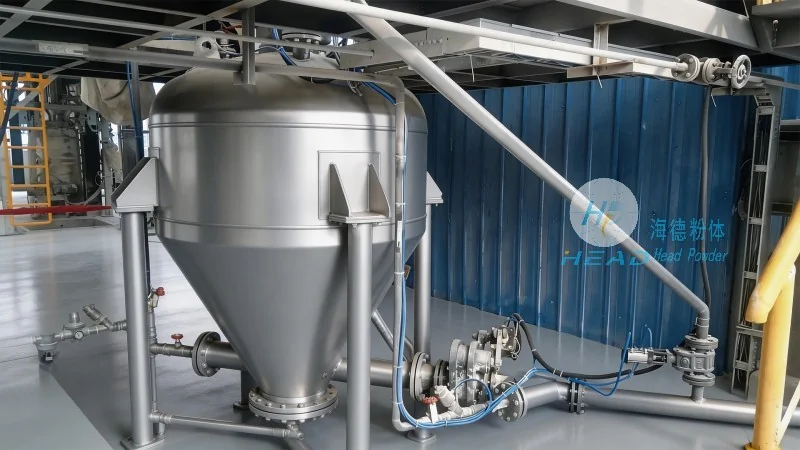
Operation Process: From Loading to Discharge
The operational process of the mica powder pneumatic conveying system begins with the loading of mica powder into the storage hopper. The feeder then regulates the flow of powder into the conveying line, ensuring a consistent feed rate. The conveying medium (air or gas) is then introduced, creating a flow that transports the powder through the pipeline. The system may include intermediate units such as cyclones or filters to separate the powder from the gas stream and prevent clogging. Finally, the powder is discharged into the receiving container or processing equipment. This entire process is designed to be automated, with controls that monitor pressure, flow rate, and other parameters to maintain optimal performance.
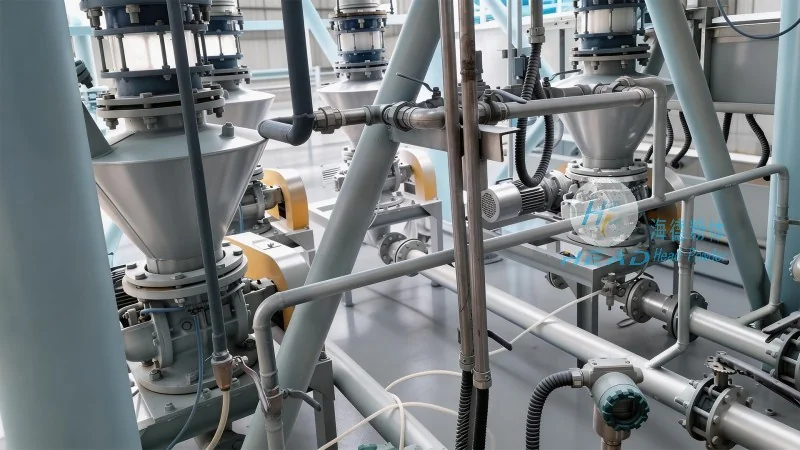
Advantages of Using a Pneumatic Conveying System for Mica Powder
Implementing a pneumatic conveying system for mica powder offers several advantages over traditional mechanical conveying methods. Firstly, it eliminates the need for mechanical components like belts or buckets, reducing maintenance costs and the risk of product contamination. Secondly, the system provides a dust-free environment, which is essential for handling fine powders like mica. Additionally, the pneumatic system can handle varying particle sizes and moisture content, making it versatile for different mica powder applications. The ability to transport materials over long distances without the need for intermediate storage also enhances operational flexibility.
Customization and Application Considerations
Shandong HeadPowder Engineering Co., Ltd. specializes in designing and manufacturing customized pneumatic conveying systems tailored to the specific needs of mica powder applications. The company, known as headpowder, considers factors such as the material's physical properties, the required transport distance, and the target end-use when designing the system. For instance, systems for fine mica powders may require higher gas velocities and specialized filtration to prevent particle loss. The company's engineering team ensures that the system is optimized for efficiency, reliability, and safety, adhering to industry standards and regulations. With its headquarters in Shandong, China, headpowder leverages local expertise and resources to deliver high-quality solutions that meet the demands of the powder processing industry.




