HeadPowder, a leading engineering firm based in Shandong, China, specializes in the design and implementation of advanced pneumatic conveying systems for handling inorganic salts. This article provides a technical analysis of the two primary conveying modes—positive pressure and negative pressure—and compares their applications, advantages, and limitations in the context of inorganic salt processing.
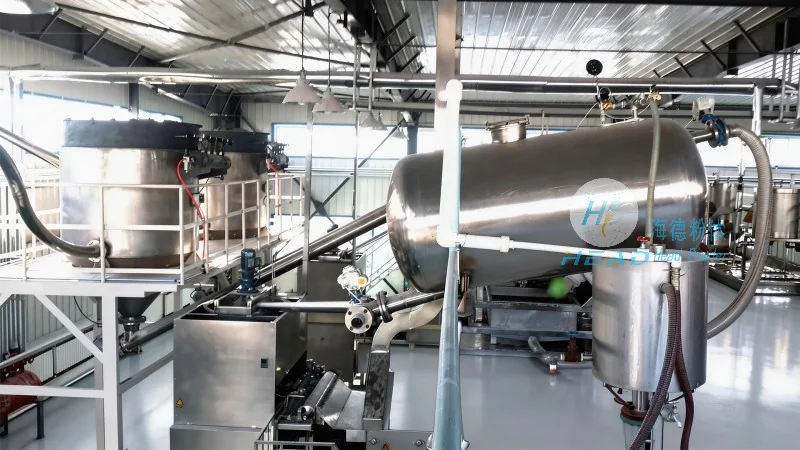
Introduction to Pneumatic Conveying Systems for Inorganic Salts
Pneumatic conveying systems are widely used in the chemical and material processing industries to transport bulk materials like inorganic salts efficiently. These systems utilize air or gas as the conveying medium to move materials from one location to another without the need for mechanical components such as belts or buckets. The choice between positive pressure and negative pressure conveying depends on factors like material characteristics, system layout, and operational requirements.
Positive Pressure Conveying Mode: Advantages and Applications
Positive pressure conveying systems operate by blowing air or gas into the conveying line, creating a pressure higher than the ambient air pressure. This mode is particularly suitable for transporting inorganic salts that are abrasive, dusty, or have high moisture content. The primary advantages of positive pressure systems include high conveying capacity, ability to handle long distances and multiple transfers, and reduced risk of material degradation due to less contact with the conveying line. For example, in the production of sodium carbonate or calcium chloride, positive pressure systems can efficiently transport raw materials from storage silos to processing units without the need for manual handling.
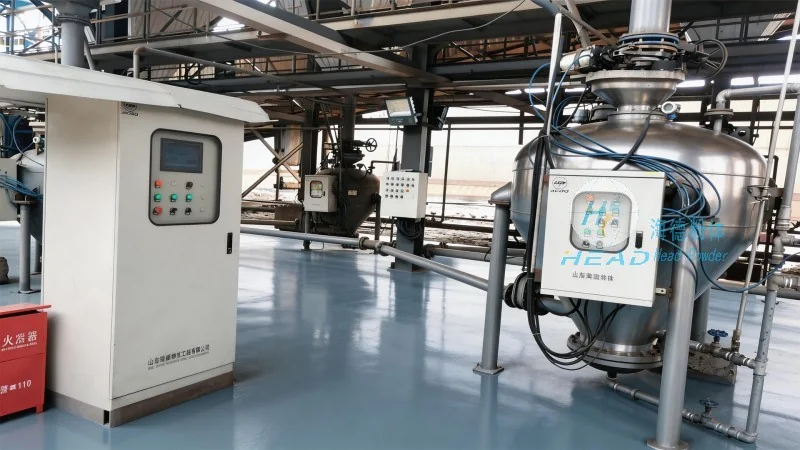
Negative Pressure Conveying Mode: Advantages and Applications
Negative pressure conveying systems, on the other hand, operate by creating a vacuum in the conveying line, drawing material from the source into the system. This mode is ideal for applications where dust control and material containment are critical. Negative pressure systems are commonly used for transporting inorganic salts that are sensitive to moisture or require a clean environment, such as in pharmaceutical or food processing industries. The key benefits of negative pressure systems include minimal dust emission, better material quality preservation, and lower energy consumption for short to medium distances. However, they have limitations in handling highly abrasive or sticky materials due to the risk of clogging in the vacuum line.
Technical Comparison: Positive vs. Negative Pressure Conveying
When selecting between positive and negative pressure conveying for inorganic salt applications, several technical factors must be considered. Positive pressure systems generally offer higher conveying rates and are more suitable for long-distance transport, while negative pressure systems excel in dust control and material quality preservation. The choice also depends on the specific properties of the inorganic salt, such as particle size, density, and moisture content. For instance, fine-grained inorganic salts like sodium sulfate may perform better in negative pressure systems to prevent dust dispersion, whereas coarse-grained salts like limestone can be efficiently handled by positive pressure systems.
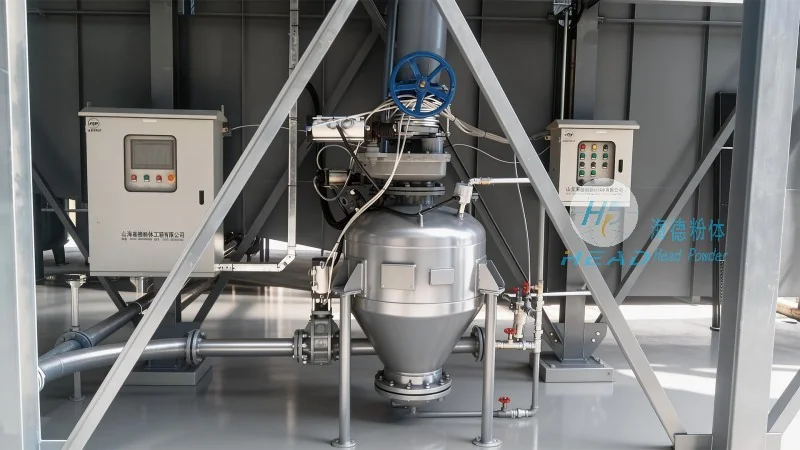
HeadPowder's Expertise in Designing Pneumatic Conveying Solutions
Shandong HeadPowder Engineering Co., Ltd. leverages decades of experience in the field to design customized pneumatic conveying systems tailored to the unique needs of inorganic salt processing facilities. The company's engineers conduct thorough material analysis and system simulations to determine the optimal conveying mode and equipment specifications. By integrating advanced control systems and robust materials of construction, HeadPowder ensures that its solutions meet the highest standards of efficiency, reliability, and safety. Whether implementing a positive pressure or negative pressure system, the company's commitment to quality and customer satisfaction is evident in every project.
Conclusion: Choosing the Right Conveying Mode for Inorganic Salts
In conclusion, both positive and negative pressure pneumatic conveying modes have distinct advantages and are suitable for different inorganic salt applications. Positive pressure systems are preferred for high-capacity, long-distance transport of abrasive or moisture-sensitive materials, while negative pressure systems are ideal for dust control and material quality preservation in clean environments. By understanding the specific requirements of the process and the properties of the inorganic salt, industries can select the most appropriate conveying mode to enhance operational efficiency and reduce costs. HeadPowder's expertise in designing and implementing these systems ensures that clients receive tailored solutions that optimize performance and meet industry standards.




