Seasoning products, such as spices, herbs, and flavor enhancers, are critical components in the food processing industry. Efficient and reliable material handling is essential to maintain product quality and ensure smooth production lines. Pneumatic conveying systems have emerged as a preferred solution for transporting these delicate and often hygroscopic materials. This article provides a technical analysis of pneumatic conveying systems for seasoning products, focusing on the comparison between positive pressure and negative pressure conveying modes. We will explore the fundamental principles, key components, operational advantages, and practical considerations of each system, helping industry professionals make informed decisions when selecting the most suitable conveying technology for their specific applications.
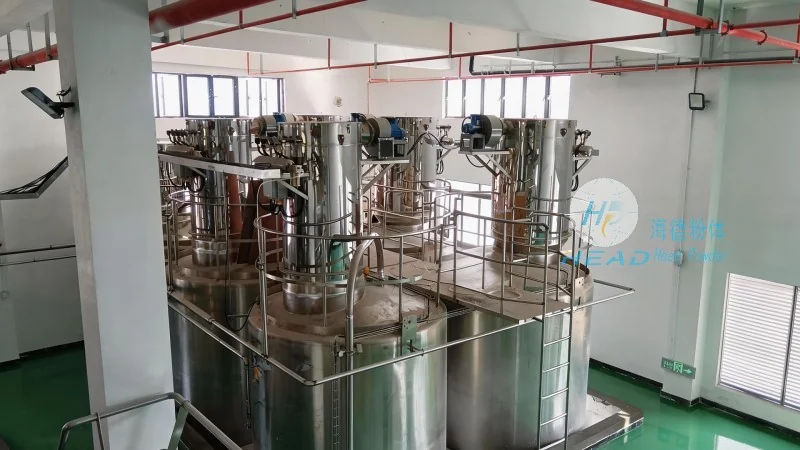
Understanding Pneumatic Conveying Systems for Seasoning Products
Pneumatic conveying systems use air or gas to transport bulk materials through a pipeline. For seasoning products, which often require gentle handling to preserve flavor and prevent degradation, the choice of conveying mode is crucial. The two primary modes are positive pressure and negative pressure systems. Each has distinct characteristics that influence performance, cost, and suitability for different production environments.
Positive Pressure Conveying Mode: Advantages and Technical Details
Positive pressure systems operate by blowing air or gas into the material container or hopper, creating an overpressure that forces the material through the pipeline. This mode is often preferred for applications requiring high material flow rates and long-distance transport. The system typically includes a blower, a hopper with a feeder, and a pipeline network. The blower generates the necessary pressure to move the material, and the feeder controls the flow rate to maintain consistent conveying performance.
One of the key advantages of positive pressure systems is their ability to handle a wide range of material properties, including fine powders and granules. The high pressure ensures that the material is fully suspended in the air stream, reducing the risk of blockages and ensuring uniform flow. Additionally, positive pressure systems are generally more energy-efficient for long-distance conveying, as the blower can maintain a consistent pressure throughout the pipeline.
From a technical perspective, positive pressure systems require robust equipment to withstand the higher pressures involved. The blower must be capable of delivering sufficient air volume and pressure to overcome pipeline resistance and material friction. The hopper and feeder must be designed to prevent material bridging or caking, which can impede flow. In the context of seasoning products, positive pressure systems are particularly effective for transporting spices with high moisture content or those prone to clumping, as the air stream helps to break up agglomerates and maintain a consistent particle size distribution.
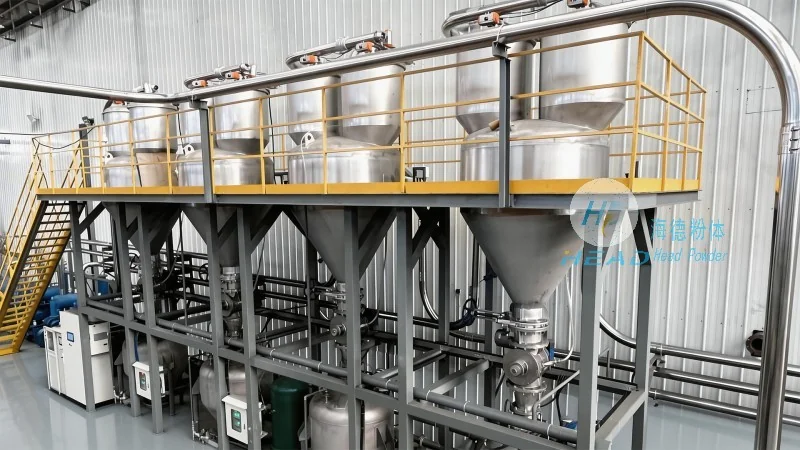
Negative Pressure Conveying Mode: Advantages and Technical Considerations
Negative pressure systems, also known as vacuum or suction systems, operate by creating a vacuum in the pipeline, drawing material from the source into the system. The material is then transported to the destination by the suction force. This mode is often used for shorter distances and applications where the material is to be collected from multiple points or where the source is at a higher elevation than the destination.
A significant advantage of negative pressure systems is their ability to handle fine powders and dust without generating excessive air emissions. The vacuum environment helps to contain particles and prevent contamination, which is critical for seasoning products that require strict hygiene standards. Additionally, negative pressure systems are generally quieter and produce less noise compared to positive pressure systems, making them suitable for applications in sensitive environments or where noise control is a priority.
However, negative pressure systems have limitations in terms of material flow rate and distance. The suction force is limited by the vacuum level, which can be affected by pipeline length, material properties, and system design. For long-distance conveying, the vacuum may not be sufficient to maintain consistent flow, leading to reduced efficiency or even system failure. Furthermore, negative pressure systems are more susceptible to blockages, as the vacuum can cause material to stick to the pipeline walls, especially with sticky or hygroscopic materials like some spices.
Key Components and System Design for Seasoning Products
Both positive and negative pressure systems share common components, including a material source (hopper or silo), a conveying line, a separation or collection unit, and a control system. However, the specific design of each component varies based on the conveying mode and material characteristics. For seasoning products, the hopper and feeder are critical components that must be designed to prevent material degradation and ensure consistent flow.
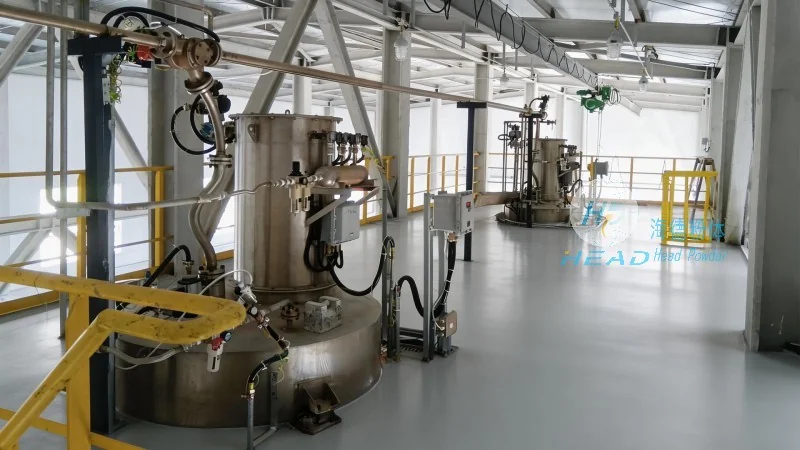
The hopper is typically equipped with a rotary valve or a star feeder to control the material discharge rate. The design of the hopper and feeder must account for the material's flow properties, such as angle of repose and compressibility, to prevent bridging or rat-holing. For example, spices with high moisture content may require a hopper with a sloped bottom and a low-shear feeder to minimize product damage.
The conveying line is usually made of stainless steel or other corrosion-resistant materials to handle the chemical properties of seasoning products. The pipeline diameter and length are carefully selected to balance flow rate and pressure drop. For positive pressure systems, the line diameter is often larger to accommodate higher air volumes, while for negative pressure systems, smaller diameters may be used to maintain sufficient suction.
The separation or collection unit is responsible for separating the material from the air stream and delivering it to the final destination. This unit may include a cyclone separator, a bag filter, or a cartridge filter, depending on the system design. For seasoning products, the separation unit must be designed to capture fine particles and prevent cross-contamination, as even small amounts of dust can affect the final product quality.
Operational Performance and Practical Considerations
When selecting a pneumatic conveying system for seasoning products, several operational factors must be considered. The first is the material's physical properties, including particle size, density, moisture content, and flowability. These factors determine the appropriate conveying mode and system design. For example, fine powders with low bulk density may be better suited for negative pressure systems, while larger granules with high flowability may benefit from positive pressure systems.
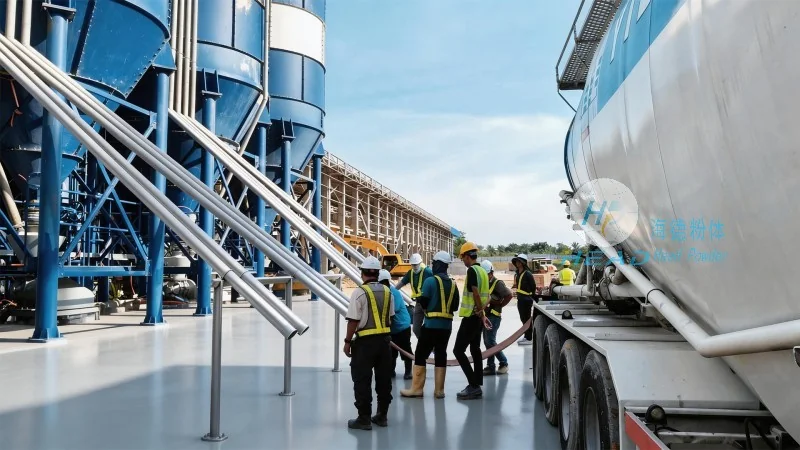
Another important consideration is the distance and elevation change between the source and destination. Positive pressure systems are generally more suitable for long-distance or high-elevation transport, while negative pressure systems are better for short distances or when the source is at a higher level. The system's energy consumption is also a key factor, as both positive and negative pressure systems require air or gas, but the efficiency varies based on the mode and system design.
Maintenance and cleaning are critical for maintaining the performance and hygiene of pneumatic conveying systems in the seasoning industry. Regular inspection of the hopper, feeder, and pipeline is necessary to prevent material buildup and contamination. The separation unit must be cleaned regularly to ensure efficient operation and prevent product loss. Additionally, the blower or vacuum pump must be maintained to ensure consistent pressure and air flow.
Conclusion: Choosing the Right Pneumatic Conveying System for Seasoning Products
Both positive pressure and negative pressure pneumatic conveying systems offer effective solutions for handling seasoning products, but the choice depends on the specific application requirements. Positive pressure systems are ideal for high-flow, long-distance transport and materials with high moisture content or tendency to clump. Negative pressure systems are better suited for short distances, fine powders, and applications where noise control and dust containment are critical.
Shandong HeadPowder Engineering Co., Ltd., a leading provider of pneumatic conveying solutions, specializes in designing and manufacturing customized systems for the seasoning industry. With years of experience and technical expertise, the company offers comprehensive solutions that address the unique challenges of handling delicate and hygroscopic materials. By understanding the fundamental principles and practical considerations of each conveying mode, industry professionals can select the most suitable system to ensure efficient, reliable, and cost-effective material handling in their production processes.




