For industries dealing with the handling of sorghum distiller's grains, efficient and reliable material transport is crucial to maintain production efficiency and ensure operational safety. Pneumatic conveying systems have emerged as a key solution for transporting bulk materials like these, offering advantages over traditional methods such as belt conveyors or bucket elevators. This article provides a technical analysis of pneumatic conveying systems specifically designed for sorghum distiller's grains, focusing on the comparison between positive pressure and negative pressure conveying modes. The discussion is based on the expertise of Shandong HeadPowder Engineering Co., Ltd., a company with a strong presence in the material handling sector, headquartered in Shandong, China.
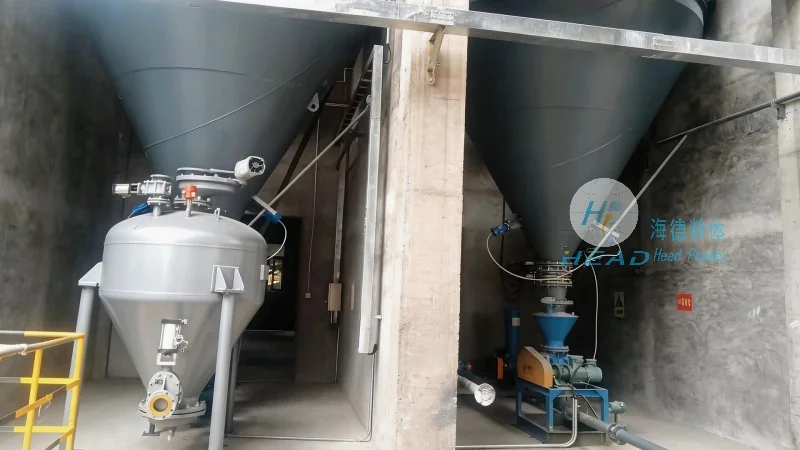
Introduction to Pneumatic Conveying Systems for Sorghum Distiller's Grains
Sorghum distiller's grains are a byproduct of the ethanol production process, characterized by their high moisture content and abrasive nature. These properties make conventional bulk material handling challenging, as they can cause wear and tear on equipment and lead to material degradation if not handled properly. Pneumatic conveying systems utilize air or gas to transport materials through a pipeline, offering a flexible and enclosed solution that minimizes contamination and dust emissions. For sorghum distiller's grains, the choice of conveying mode—whether positive pressure or negative pressure—significantly impacts system performance, energy consumption, and operational costs.
Understanding Positive Pressure Conveying
Positive pressure conveying systems operate by blowing air or gas into the material to be transported, creating a pressure differential that propels the material through the pipeline. This mode is often preferred for materials that are free-flowing and have low dust generation, as it provides a consistent flow and reduces the risk of blockages. In the context of sorghum distiller's grains, positive pressure systems typically use a blower or compressor to generate the necessary pressure, with the material being drawn into the pipeline from a hopper or storage silo. The system's design, including the size of the air nozzle and the velocity of the air stream, is critical to achieving optimal conveying efficiency. A well-designed positive pressure system can handle high material volumes with minimal energy input, making it suitable for large-scale ethanol production facilities.
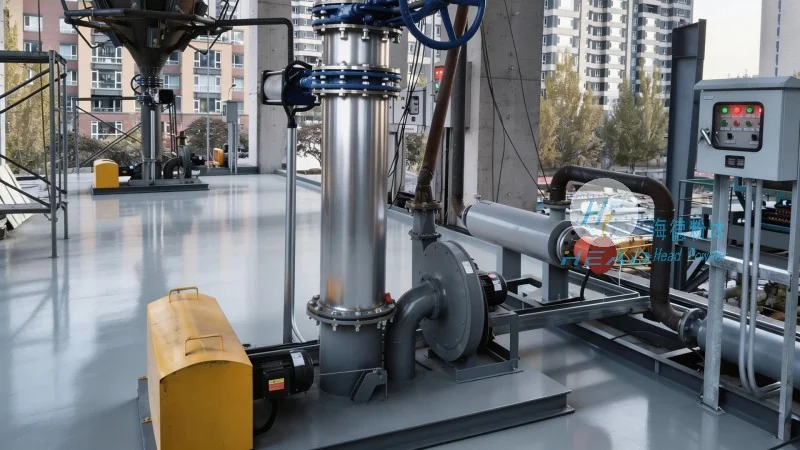
Advantages and Considerations of Positive Pressure Conveying
One of the primary advantages of positive pressure conveying is its ability to handle a wide range of material sizes and moisture contents without the need for pre-drying or conditioning. This is particularly beneficial for sorghum distiller's grains, which may vary in consistency due to the production process. Additionally, positive pressure systems are generally more forgiving when it comes to pipeline blockages, as the high air pressure can help dislodge material that has accumulated in the line. However, these systems require robust equipment to withstand the high pressures and can be more expensive to install and maintain compared to negative pressure alternatives. The energy consumption is also higher due to the continuous operation of the blower, which may increase operational costs over time.
Understanding Negative Pressure Conveying
Negative pressure conveying, also known as suction or vacuum conveying, operates by creating a vacuum in the pipeline to draw material from the source into the system. This mode is often used for materials that are dusty or have a tendency to generate fine particles, as the vacuum helps to capture and transport the material without the need for additional air flow. For sorghum distiller's grains, negative pressure systems are particularly effective when dealing with materials that are prone to dusting or when the material needs to be transported from a low-level source to a higher destination. The system typically includes a vacuum pump and a hopper or collection point where the material is loaded, with the vacuum creating a suction force that pulls the material through the pipeline.
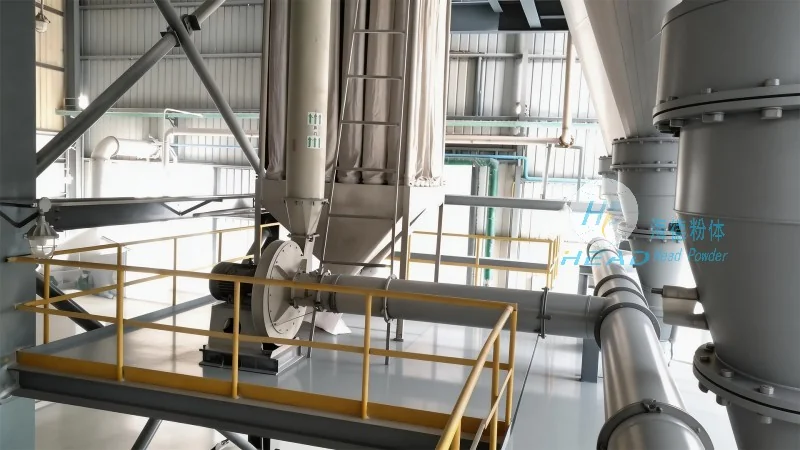
Advantages and Considerations of Negative Pressure Conveying
One of the key advantages of negative pressure conveying is its lower energy consumption compared to positive pressure systems, as the vacuum pump operates at lower pressures and can be more energy-efficient. This makes it a cost-effective option for facilities looking to reduce operational expenses. Additionally, negative pressure systems are less likely to cause dust emissions, as the material is drawn into the pipeline rather than being blown out, which is beneficial for maintaining a clean and safe working environment. However, these systems are more susceptible to blockages and material bridging, especially with cohesive or sticky sorghum distiller's grains. The vacuum pump also requires regular maintenance to ensure consistent performance, and the system may not be suitable for very high material volumes or long-distance transport.
Performance Comparison: Positive vs. Negative Pressure Conveying
When comparing positive and negative pressure conveying modes for sorghum distiller's grains, several factors come into play, including material characteristics, system requirements, and operational constraints. Positive pressure systems generally offer higher conveying capacities and are better suited for long-distance transport, as the high air pressure can maintain a consistent flow over extended distances. They are also more effective at handling abrasive materials, as the air stream helps to reduce wear on the pipeline and equipment. On the other hand, negative pressure systems excel in applications where dust control is a priority, as they minimize the release of fine particles into the environment. They are also more flexible in terms of material loading, as the vacuum can draw material from multiple sources without the need for additional equipment.
System Design and Integration Considerations
The design of a pneumatic conveying system for sorghum distiller's grains must take into account the specific properties of the material, such as its moisture content, particle size distribution, and flowability. Shandong HeadPowder Engineering Co., Ltd. emphasizes the importance of matching the conveying mode to the material's characteristics to ensure optimal performance. For example, if the sorghum distiller's grains are free-flowing and have low dust generation, a positive pressure system may be the better choice. Conversely, if the material is prone to dusting or has a high moisture content, a negative pressure system with dust collection equipment may be more appropriate. The system design also includes considerations for pipeline layout, such as the number of bends and the length of the pipeline, which can affect the pressure drop and overall conveying efficiency.
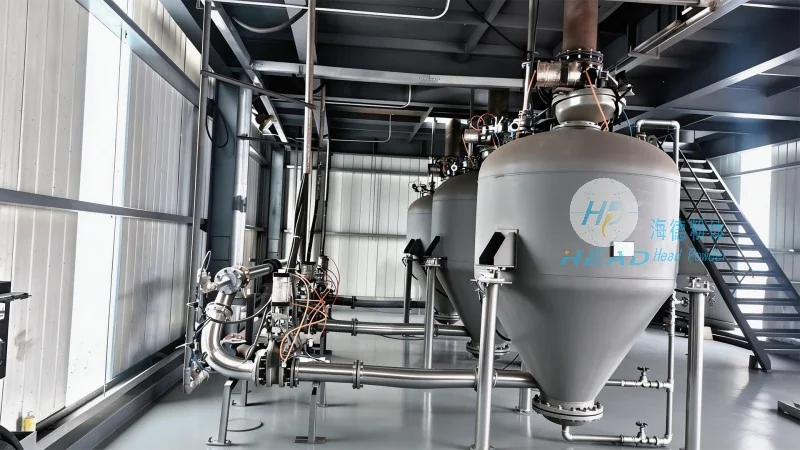
Maintenance and Operational Tips
Both positive and negative pressure conveying systems require regular maintenance to ensure reliable operation. For positive pressure systems, the blower and air filter must be checked regularly to prevent clogging and ensure consistent air flow. The pipeline and hopper should also be inspected for signs of wear or blockages, as these can lead to system downtime. For negative pressure systems, the vacuum pump and filter are critical components that need to be maintained to prevent dust accumulation and ensure efficient material transport. Additionally, the system should be equipped with safety features, such as pressure relief valves and dust collection systems, to protect operators and the environment. Regular cleaning of the pipeline and equipment is also essential to maintain the system's performance and extend its lifespan.
Conclusion
In conclusion, the choice between positive and negative pressure conveying modes for sorghum distiller's grains depends on a variety of factors, including material properties, system requirements, and operational goals. Positive pressure systems offer higher conveying capacities and are better suited for long-distance transport, while negative pressure systems excel in dust control and flexibility. Shandong HeadPowder Engineering Co., Ltd. provides comprehensive solutions for pneumatic conveying systems tailored to the specific needs of ethanol production facilities, ensuring efficient and reliable material handling. By understanding the advantages and considerations of each mode, facilities can select the most appropriate system to optimize their production processes and reduce operational costs.




