When it comes to transporting wood chips using pneumatic conveying systems, the choice between positive pressure and negative pressure methods is a critical decision that impacts operational efficiency, cost-effectiveness, and system reliability. Understanding the distinctions between these two approaches is essential for selecting the most suitable solution for your wood chip handling needs. This article will explore the key differences between positive pressure and negative pressure pneumatic conveying for wood chips, helping you make an informed decision.
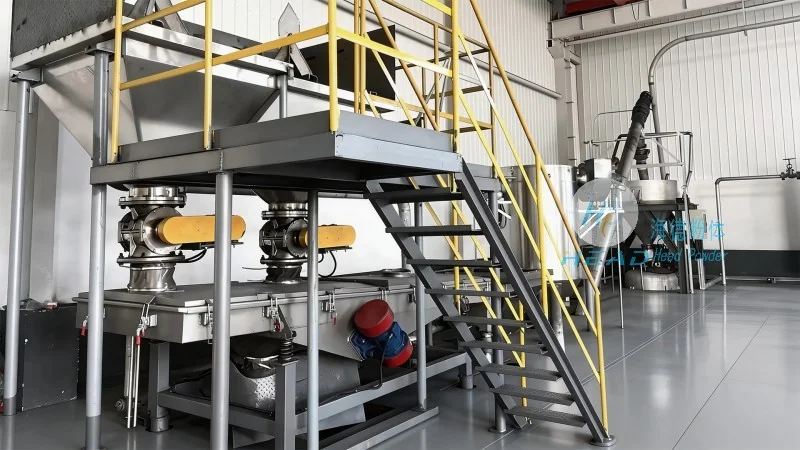
Introduction to Pneumatic Conveying for Wood Chips
Pneumatic conveying is a widely used method for transporting bulk materials like wood chips through a pipeline using air or gas as the conveying medium. The two primary types of pneumatic conveying systems are positive pressure and negative pressure. Each system operates on different principles, offering unique advantages and considerations that must be evaluated based on specific application requirements.
Positive Pressure Pneumatic Conveying
Positive pressure systems operate by blowing air or gas into the conveying line, creating a pressure higher than the ambient air pressure. The material is drawn into the pipeline by the pressure differential and is propelled forward by the moving air. This method is particularly effective for long-distance and high-capacity conveying of wood chips. The main advantages of positive pressure systems include high conveying capacity, ability to handle abrasive materials, and suitability for long pipelines. However, they may require more robust equipment and higher energy consumption compared to negative pressure systems.
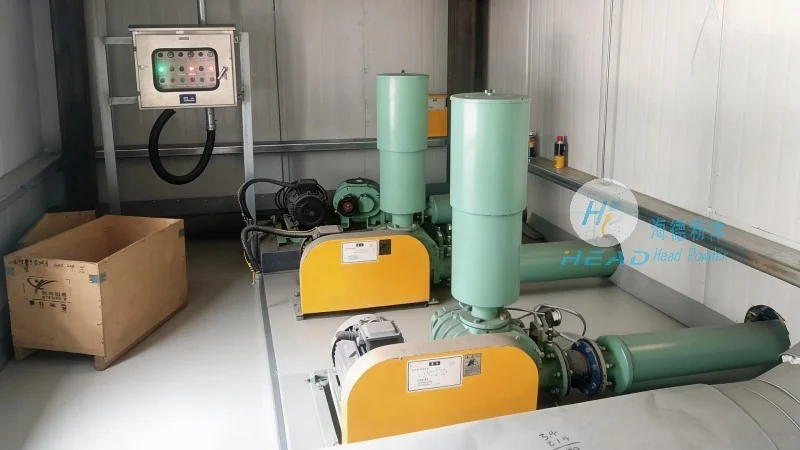
Negative Pressure Pneumatic Conveying
Negative pressure systems, also known as vacuum systems, operate by creating a vacuum in the conveying line, which draws the material into the pipeline. The material is then carried by the air flow moving through the system. Negative pressure systems are often preferred for shorter distances and when the material is to be collected from multiple points. They typically consume less energy and require less equipment compared to positive pressure systems. However, they may have limitations in terms of conveying distance and material handling capacity, especially for abrasive or high-volume wood chips.
Distinguishing Between Positive and Negative Pressure Systems
Several key factors can help distinguish between positive and negative pressure pneumatic conveying systems for wood chips:
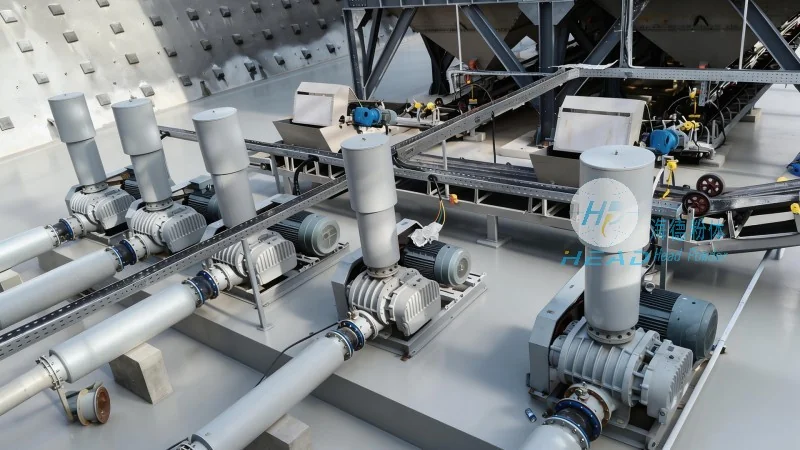
- Conveying Distance and Capacity: Positive pressure systems are generally better suited for longer distances and higher material volumes, while negative pressure systems are more appropriate for shorter distances and lower capacities.
- Energy Consumption: Negative pressure systems typically consume less energy due to the lower pressure requirements, whereas positive pressure systems may require more power to maintain the higher pressure.
- Equipment Complexity and Maintenance: Positive pressure systems often involve more complex equipment, such as high-pressure blowers, and may require more maintenance. Negative pressure systems generally have simpler components and lower maintenance needs.
- Material Handling: Positive pressure systems can handle a wider range of materials, including abrasive wood chips, with less risk of material degradation. Negative pressure systems may be more susceptible to material blockages and require careful material selection.
Factors to Consider When Choosing a System
When deciding between positive pressure and negative pressure pneumatic conveying for wood chips, several factors should be considered:
- Application Requirements: The specific needs of your wood chip handling operation, including distance, volume, and material characteristics, will heavily influence the choice of system.
- System Cost: The initial investment and long-term operational costs of both systems should be evaluated. Positive pressure systems may have higher upfront costs but can offer better performance for certain applications.
- Environmental Considerations: The impact of the system on the environment, such as noise levels and air emissions, should be taken into account. Both systems can be designed with environmental considerations in mind, but the approach may differ.
- Operational Flexibility: The ability to adapt the system to changing production needs or future expansion is an important consideration. Positive pressure systems may offer more flexibility in terms of expansion.
Conclusion
Choosing between positive pressure and negative pressure pneumatic conveying for wood chips requires a thorough evaluation of the specific requirements of your operation. Positive pressure systems are generally more suitable for long-distance, high-capacity applications, while negative pressure systems are better for shorter distances and lower capacities. By considering factors such as conveying distance, energy consumption, equipment complexity, and material handling capabilities, you can select the most appropriate system for your needs. Shandong HeadPowder Engineering Co., Ltd., a leading provider of pneumatic conveying solutions, offers expert guidance and customized systems to meet the unique demands of wood chip handling operations.




