Chromium(III) oxide, commonly known as chromium sesquioxide, is an inorganic compound widely utilized in industrial applications such as pigments, catalysts, and protective coatings. The efficient and safe handling of this fine powder is critical for maintaining product quality and operational efficiency. Pneumatic conveying systems offer a reliable solution for transporting chromium(III) oxide powder, and understanding their operating process and working principles is essential for optimizing performance. This article provides a detailed overview of the equipment designed for chromium(III) oxide powder, highlighting key components, operational steps, and the underlying mechanisms that ensure effective material transport.
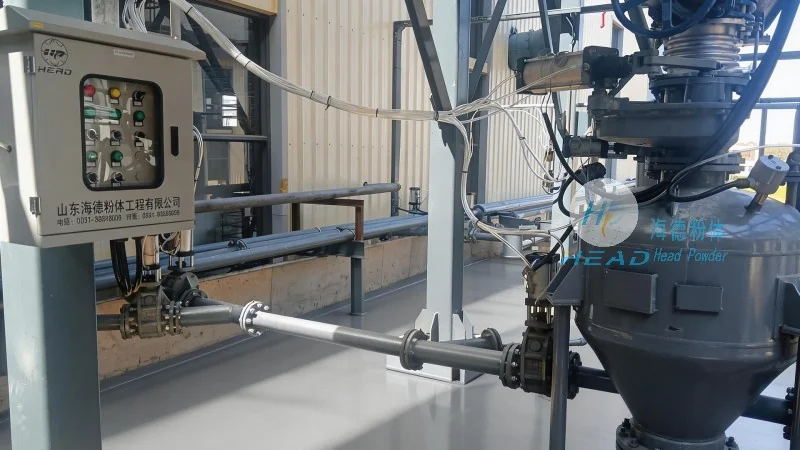
Introduction to Pneumatic Conveying Systems for Chromium(III) Oxide
Pneumatic conveying systems utilize air or other gases to transport solid materials like powders through a pipeline. For chromium(III) oxide, which is often used in high-purity applications, the system must be designed to prevent particle degradation, agglomeration, or contamination. The equipment typically consists of a hopper for material storage, a feeder to control the flow rate, an air compressor to generate the necessary pressure, a conveying line for material transport, and a receiver or filter to collect the conveyed powder. The design of each component is tailored to address the specific challenges of handling chromium(III) oxide, ensuring a smooth and efficient conveying process.
Key Components of the Pneumatic Conveying Equipment
The hopper is the initial storage vessel where chromium(III) oxide powder is held before being fed into the system. It is constructed to maintain a consistent material level and prevent blockages, often equipped with a discharge valve or rotary valve to regulate the flow. The feeder, commonly a screw or rotary valve, controls the rate at which the powder enters the conveying line, ensuring a steady and controlled feed. The air compressor generates the required air pressure and volume to move the powder through the pipeline, with options including positive pressure or negative pressure systems depending on the application. The conveying line, usually made of stainless steel or other corrosion-resistant materials, is designed to withstand the abrasive nature of the chromium(III) oxide powder and maintain airtight integrity. The receiver or filter collects the conveyed powder and separates it from the air, with the air passing through a filter to remove fine particles before discharge, while the powder is deposited for further processing.
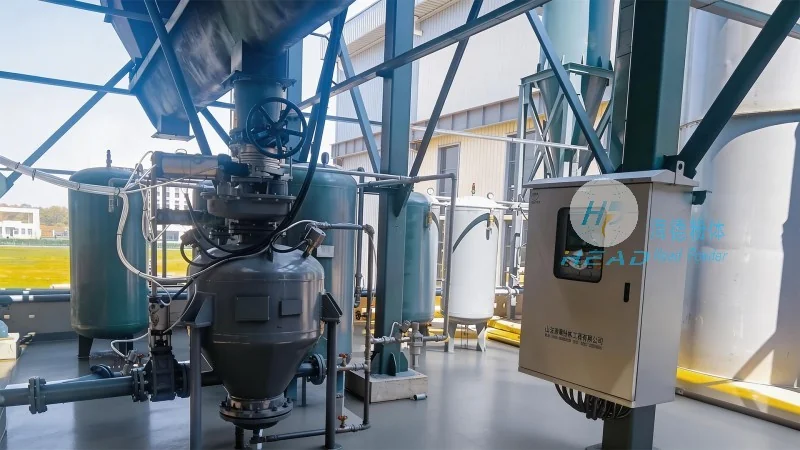
Operating Process of the Pneumatic Conveying Equipment
The operation of the chromium(III) oxide powder pneumatic conveying system begins with loading the hopper. The powder is fed into the hopper from a storage silo or container. Once the hopper is filled, the feeder starts to rotate, allowing the powder to flow into the conveying line. Simultaneously, the air compressor activates, generating a flow of air that enters the conveying line at the inlet of the hopper. The air flow creates a negative pressure (suction) or positive pressure (blowing) that pulls the powder particles into the pipeline. As the powder and air mixture travels through the conveying line, the air velocity is maintained at a level sufficient to keep the powder suspended and prevent settling. The mixture then reaches the receiver or filter, where the air is separated from the powder. The air passes through a filter to remove any residual particles before being discharged, while the chromium(III) oxide powder is collected in the receiver for subsequent use or storage.
Working Principle: Fluidization and Suspension
The core principle behind the effective transport of chromium(III) oxide powder is fluidization and suspension. When air is introduced into the conveying line at a sufficient velocity, it creates a fluidized bed of powder particles, allowing them to move freely and be carried along by the air stream. The key to successful conveying is maintaining the air velocity above the minimum fluidization velocity (Umf) of the powder. If the velocity is too low, the powder will settle and cause blockages; if it is too high, excessive energy consumption and potential damage to the equipment may occur. The system is engineered to optimize the air velocity to achieve a stable suspension of the powder, ensuring smooth and continuous transport. Additionally, the design of the hopper and feeder helps to minimize the formation of agglomerates, which can affect the fluidization process and overall conveying efficiency.
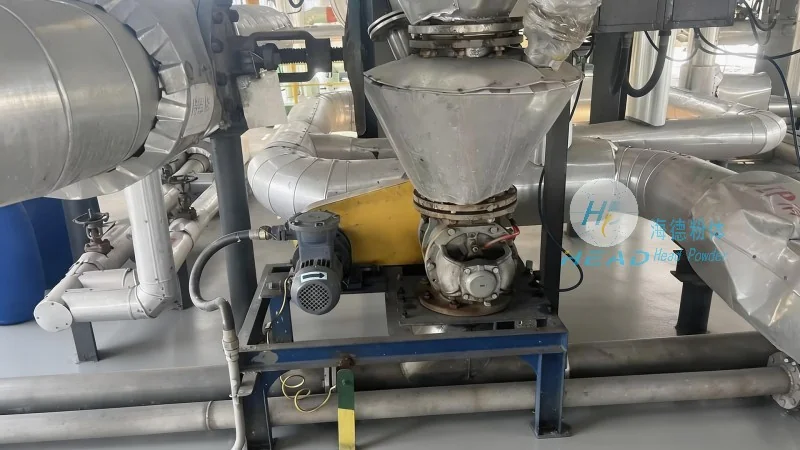
Advantages of Pneumatic Conveying for Chromium(III) Oxide
Pneumatic conveying offers several advantages for handling chromium(III) oxide powder. It provides a closed system, which helps to prevent dust emissions and maintain a clean working environment, which is particularly important for chromium(III) oxide due to its potential health hazards if inhaled. The system also allows for the transport of the powder over long distances without the need for intermediate storage or manual handling. Furthermore, pneumatic conveying can be integrated with other processing equipment, such as mixers or reactors, to streamline the production process. The flexibility of the system allows for adjustments in flow rate and pressure to accommodate varying production demands, making it a versatile solution for industrial applications.
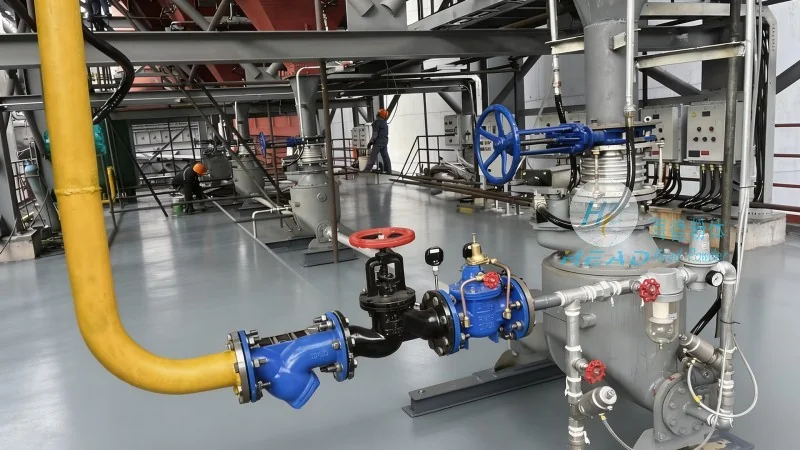
Maintenance and Operational Considerations
To ensure the reliable operation of the chromium(III) oxide powder pneumatic conveying equipment, regular maintenance is essential. This includes checking the air compressor for proper performance, inspecting the conveying line for any signs of wear or blockages, and cleaning the filter regularly to maintain air quality. The feeder and hopper should also be inspected for any buildup of powder or caking, which can affect the flow rate. Proper maintenance helps to prevent downtime and ensures that the system operates efficiently. Additionally, operators should be trained to monitor the system parameters, such as pressure and flow rate, to detect any abnormalities early and take corrective action. Regular calibration of the feeder and air compressor is also recommended to maintain consistent performance.
Conclusion
In conclusion, the pneumatic conveying equipment for chromium(III) oxide powder is a sophisticated system that effectively addresses the challenges of handling fine powders. By understanding the key components, operating process, and working principles, users can optimize the system for their specific applications. The system's ability to provide a closed, efficient, and safe method of transporting chromium(III) oxide makes it a valuable asset in industrial settings. As a leading provider in this field, Shandong HeadPowder Engineering Co., Ltd. specializes in designing and manufacturing such equipment, ensuring that clients receive reliable and high-performance solutions for their material handling needs. With a focus on quality and innovation, the company continues to advance the technology of pneumatic conveying systems for chromium(III) oxide and other fine powders, supporting the needs of various industries.




