Trilayer material powder pneumatic conveying lines are advanced industrial systems designed to transport fine powders, such as those used in lithium-ion battery cathode materials, with high efficiency and minimal product degradation. This article provides an in-depth look at the operation process and working principles of these systems, highlighting their importance in modern material handling and processing applications.
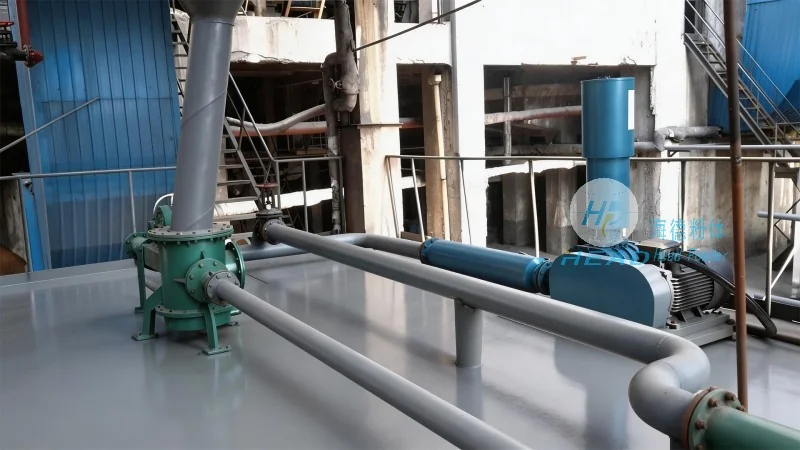
Company Profile: Shandong HeadPowder Engineering Co., Ltd.
HeadPowder, a leading manufacturer in the field of powder processing equipment, specializes in developing and supplying high-quality pneumatic conveying solutions. With a strong focus on innovation and customer satisfaction, the company has established itself as a trusted partner for industries requiring reliable and efficient powder handling systems. HeadPowder's headquarters is located in Shandong, China, where the company's research and development team continuously works to enhance the performance and durability of its products.
Understanding Pneumatic Conveying Technology
Pneumatic conveying systems utilize air or gas to transport bulk materials through a pipeline network. Unlike traditional mechanical conveying methods, which rely on mechanical components like belts or screws, pneumatic systems offer several advantages, including reduced product contamination, lower maintenance requirements, and the ability to handle materials with high moisture content or sensitivity. The core components of a typical pneumatic conveying line include a material feed hopper, a conveyor line (often equipped with cyclone separators or filters), and a control system for regulating air flow and pressure.
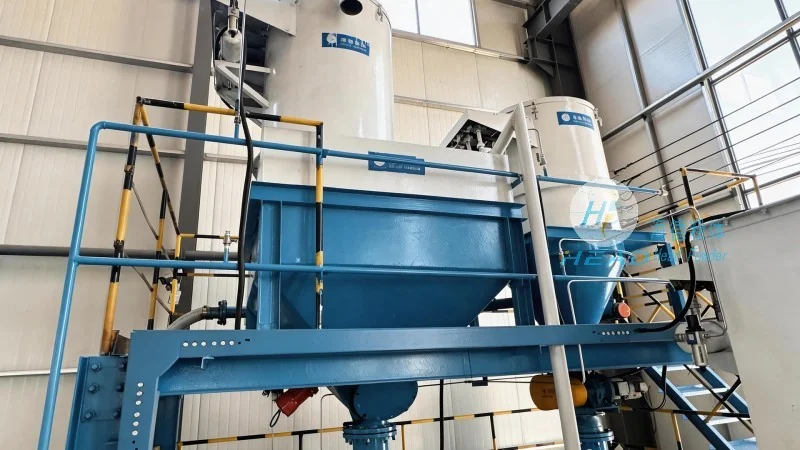
The Operation Process of Trilayer Material Powder Pneumatic Conveying Lines
The operation of a trilayer material powder pneumatic conveying line involves several key steps, each designed to ensure efficient and safe material transport. The process begins with the material being fed from a storage hopper into a primary feeder, which controls the flow rate of the powder. The feeder then transfers the material into a conveying line, where it is propelled by a high-pressure air stream generated by a blower or compressor. As the powder travels through the pipeline, it may encounter various components, such as cyclone separators or filter bags, which separate the material from the air and return the air to the system for recirculation. The final stage of the process involves the material being discharged into a receiving container, where it is collected for further processing or storage.
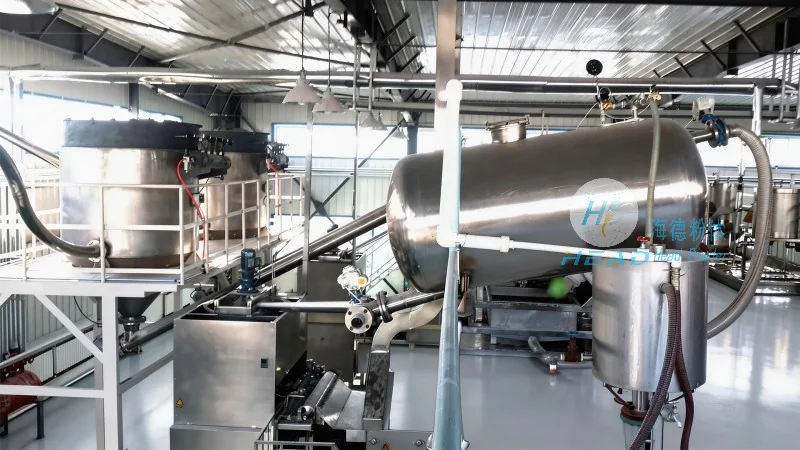
Working Principle of the System
The working principle of a trilayer material powder pneumatic conveying line is based on the principles of fluid dynamics and particle transport. The system operates by creating a pressure differential between the inlet and outlet of the conveying line. The blower or compressor supplies compressed air, which creates a high-velocity air stream that entrains the powder particles and moves them through the pipeline. The air flow is carefully controlled to maintain the appropriate velocity for the specific material being conveyed, ensuring that the particles remain suspended and do not settle or clog the system. The cyclone separators or filters play a crucial role in separating the powder from the air, as they use centrifugal force to collect the particles and allow the clean air to be recirculated back to the blower. This closed-loop system minimizes energy consumption and reduces the risk of dust emissions, making it an environmentally friendly solution for powder handling.
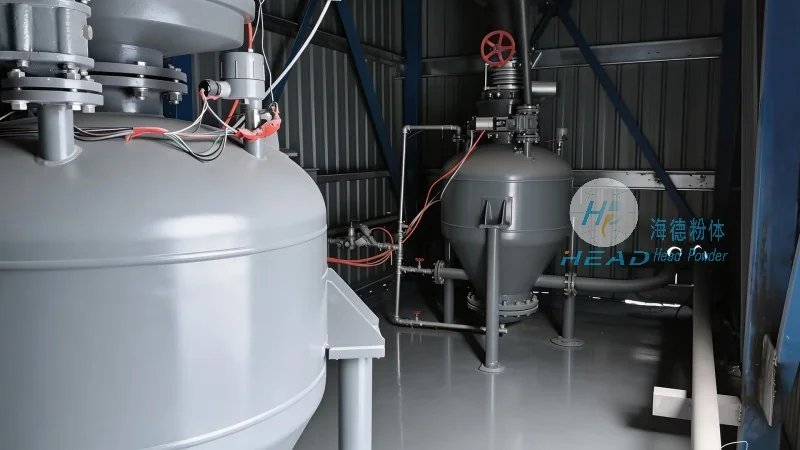
Key Advantages and Applications
Trilayer material powder pneumatic conveying lines offer several advantages over traditional conveying methods, making them ideal for applications involving sensitive materials like lithium-ion battery cathode powders. These systems provide gentle handling, which helps to preserve the quality and properties of the material, and they can handle materials with high moisture content or abrasive characteristics without causing damage. Additionally, the closed-loop design reduces the risk of dust contamination and improves workplace safety. The systems are widely used in the battery manufacturing industry, as well as in other sectors such as pharmaceuticals, food processing, and chemical production, where the handling of fine powders is critical to the final product quality.
Conclusion
In conclusion, trilayer material powder pneumatic conveying lines are sophisticated systems that combine advanced engineering with efficient material handling capabilities. By understanding the operation process and working principles of these systems, industries can optimize their production processes and improve overall efficiency. With its headquarters in Shandong, China, HeadPowder Engineering Co., Ltd. continues to lead the development of innovative pneumatic conveying solutions, providing customers with reliable and high-performance equipment for their powder processing needs.




