HeadPowder, a leading provider in the field of material handling solutions, specializes in the design, manufacturing, and installation of advanced pneumatic conveying systems for the cement industry. This article delves into the operation process and working principle of a cement raw material powder pneumatic conveying line, highlighting the technical aspects and operational efficiency that define modern cement production facilities.
Introduction to Cement Raw Material Powder Pneumatic Conveying
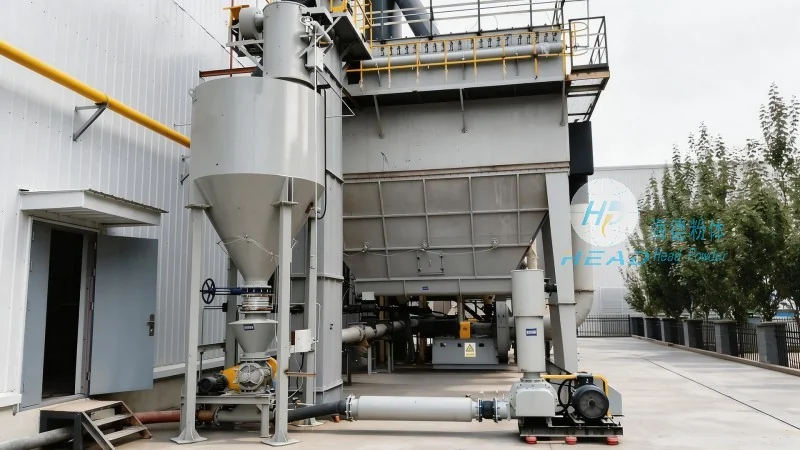
Cement raw material powder pneumatic conveying lines are critical components in cement manufacturing plants, responsible for the efficient transport of raw materials such as limestone, clay, and iron ore from storage silos to the preheater or kiln. These systems utilize air as the conveying medium, enabling the safe and reliable movement of bulk powders over long distances with minimal material degradation. The technology offers significant advantages over traditional mechanical conveying methods, including reduced maintenance costs, improved process control, and enhanced safety in handling potentially hazardous materials.
Key Components of the Pneumatic Conveying System
The cement raw material powder pneumatic conveying line typically consists of several key components that work in tandem to ensure smooth operation. These include:
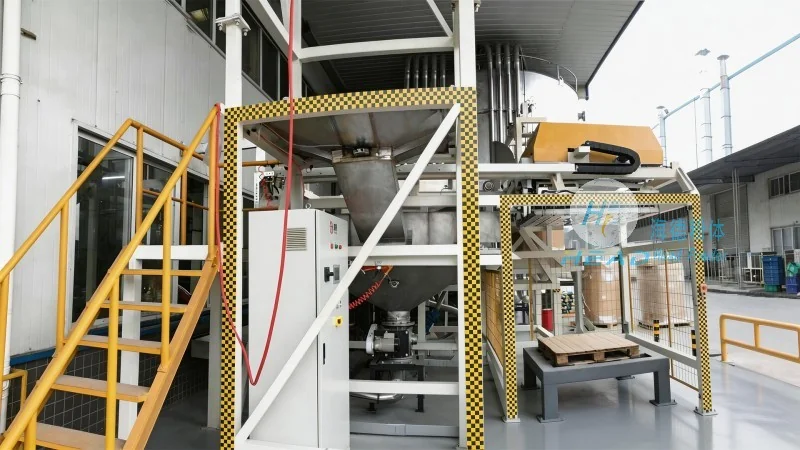
- Feed Hopper: A hopper designed to store and feed the raw material powder into the system. It is equipped with a feeder mechanism, such as a rotary valve or a screw feeder, to regulate the flow rate of the material.
- Pneumatic Conveying Pipe: A network of pipes through which compressed air and the material are conveyed. The pipe system is usually made of stainless steel or other corrosion-resistant materials to withstand the abrasive nature of cement raw materials.
- Compressor and Air Treatment Unit: A compressor generates the necessary air pressure to move the material through the pipes. The air treatment unit includes filters and dryers to ensure the air is clean and dry, preventing contamination of the raw material and maintaining system efficiency.
- Receiver or Discharge Hopper: The end of the conveying line where the material is deposited. This hopper is designed to collect the material and feed it into the next stage of the cement production process, such as the preheater or kiln.
- Control System: An automated control system monitors and regulates the operation of the entire conveying line. It adjusts the air pressure, flow rate, and material feed rate to maintain optimal performance and prevent system failures.
Operation Process of the Cement Raw Material Powder Pneumatic Conveying Line
The operation of the cement raw material powder pneumatic conveying line follows a systematic process that ensures consistent and efficient material transport. The steps involved are as follows:
- Material Loading: The raw material powder is loaded into the feed hopper from storage silos. The hopper is designed to hold a sufficient quantity of material to maintain a continuous flow during operation.
- Material Feeding: The feeder mechanism in the hopper regulates the flow rate of the material, ensuring a steady supply to the pneumatic conveying system. This step is critical to prevent overloading or underloading of the system, which can lead to inefficiencies or equipment damage.
- Air Compression and Treatment: The compressor generates compressed air, which is then treated by the air treatment unit to remove moisture and contaminants. The clean and dry air is then introduced into the conveying pipe.
- Pneumatic Conveying: The compressed air and the material are mixed in the conveying pipe, creating a slurry-like flow. The air pressure propels the material through the pipe system to the receiver hopper. The velocity of the air is carefully controlled to ensure the material is conveyed without excessive wear on the pipe or equipment.
- Material Discharge: Upon reaching the receiver hopper, the material is deposited and fed into the next stage of the cement production process. The control system monitors the material level in the receiver hopper and adjusts the feed rate as needed to maintain a consistent supply to the downstream equipment.
- System Monitoring and Control: The automated control system continuously monitors the operation of the conveying line, including air pressure, material flow rate, and system temperature. Any deviations from the set parameters are detected and corrected in real-time, ensuring optimal performance and preventing system failures.
Working Principle of the Pneumatic Conveying System
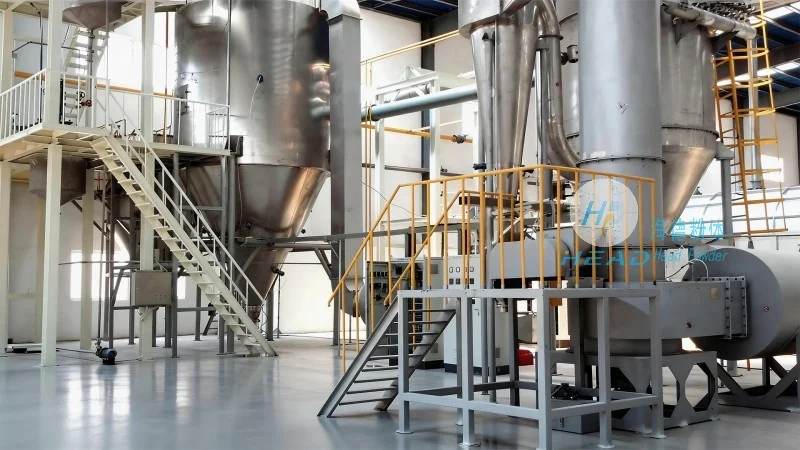
The working principle of the cement raw material powder pneumatic conveying line is based on the use of compressed air to transport bulk materials. The system operates on the principle of fluidization, where the material is suspended in the air stream and transported through the pipe. The key aspects of the working principle include:
1. Air-Particle Interaction: The compressed air creates a high-velocity flow within the conveying pipe, which interacts with the raw material particles. The air flow is sufficient to overcome the gravitational force acting on the particles, allowing them to be suspended and transported. The velocity of the air is typically maintained at a level that ensures the particles remain in suspension without causing excessive wear on the pipe or equipment.
2. Pressure Drop and Flow Rate: The pressure drop along the conveying pipe is a critical factor in determining the flow rate of the material. The system is designed to maintain a consistent pressure drop, which ensures a steady flow of material. The control system adjusts the air pressure and flow rate to maintain the desired pressure drop and flow rate, ensuring optimal performance.
3. Material Handling Efficiency: The pneumatic conveying system is designed to handle a wide range of raw materials, including limestone, clay, and iron ore. The system is capable of transporting these materials over long distances with minimal material degradation. The use of stainless steel or other corrosion-resistant materials in the pipe and equipment ensures the longevity of the system and prevents contamination of the raw material.
Advantages of Using Pneumatic Conveying for Cement Raw Materials
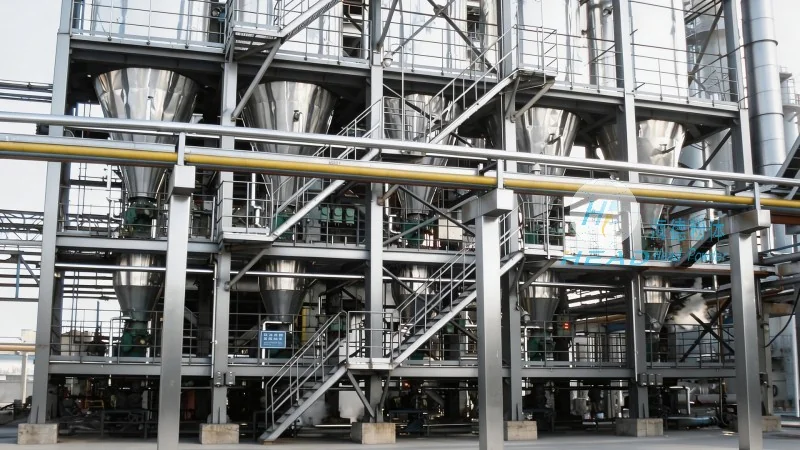
The use of cement raw material powder pneumatic conveying lines offers several advantages over traditional mechanical conveying methods. These advantages include:
- Reduced Maintenance Costs: Pneumatic conveying systems have fewer moving parts compared to mechanical systems, resulting in lower maintenance costs and longer equipment life.
- Improved Process Control: The automated control system allows for precise control of the material flow rate and air pressure, ensuring consistent and efficient operation.
- Enhanced Safety: The system eliminates the need for manual handling of raw materials, reducing the risk of accidents and improving workplace safety.
- Reduced Material Degradation: The pneumatic conveying process minimizes material degradation due to the absence of mechanical friction and impact, ensuring the quality of the raw material remains intact.
- Space Efficiency: The system can be installed in a compact space, making it suitable for plants with limited floor space.
Conclusion
Cement raw material powder pneumatic conveying lines are essential components in modern cement manufacturing plants, providing efficient and reliable transport of raw materials. The operation process and working principle of these systems are designed to maximize efficiency, minimize maintenance costs, and enhance safety. HeadPowder, with its expertise in material handling solutions, offers advanced pneumatic conveying systems that meet the demanding requirements of the cement industry. By leveraging the latest technology and engineering expertise, HeadPowder ensures that its customers achieve optimal performance and operational efficiency in their cement production facilities.




