This article provides an in-depth exploration of the operation process and working principle of a hydroxide cobalt powder pneumatic conveying line. The system is designed to efficiently transport hydroxide cobalt powder, a critical material in various industrial applications, ensuring reliable and safe material handling. As a specialized solution, this pneumatic conveying line is tailored to meet the demands of high-purity powder processing, offering a robust and efficient method for material transport.
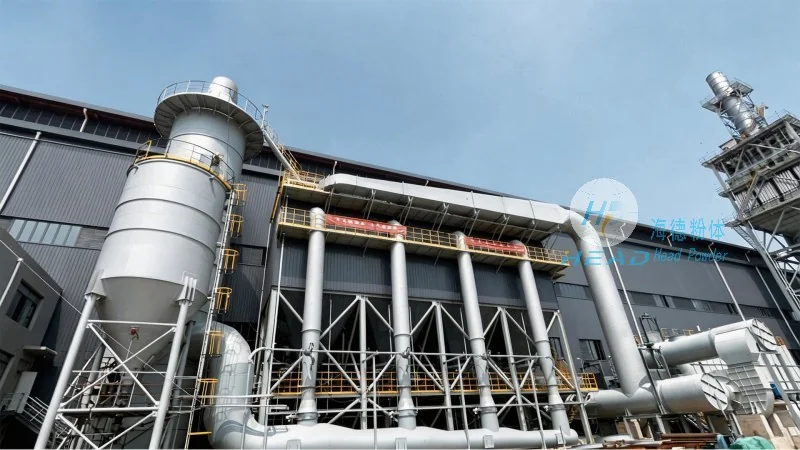
Company Profile: Shandong HeadPowder Engineering Co., Ltd.
HeadPowder, the manufacturer behind this advanced pneumatic conveying line, is a leading enterprise in the field of powder engineering. With a strong commitment to innovation and quality, the company specializes in the design, development, and production of high-performance powder handling systems. HeadPowder's expertise lies in creating customized solutions that address the unique challenges of powder processing industries. The company's headquarters is located in Shandong, China, where it leverages advanced technology and experienced engineering teams to deliver superior products and services.
The Working Principle of Pneumatic Conveying System
The pneumatic conveying system operates on the principle of using compressed air to transport powder materials through a pipeline. In the case of hydroxide cobalt powder, the system utilizes a positive pressure or negative pressure method to move the powder from the source to the destination. The positive pressure system, also known as a pressure conveying system, injects compressed air into the material stream, creating a flow that carries the powder through the pipeline. This method is particularly effective for long-distance or high-capacity transport. The negative pressure system, or vacuum conveying, uses a vacuum to draw the powder into the pipeline, which is suitable for short-distance or low-volume applications. The choice of system depends on factors such as the powder characteristics, distance, and required throughput.
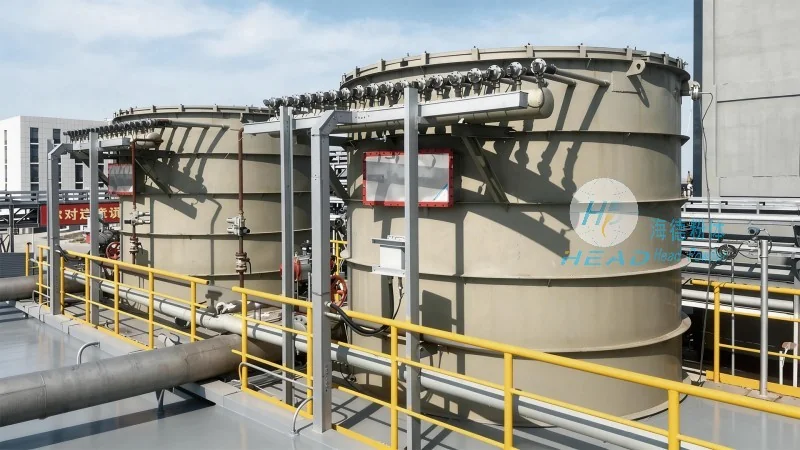
Detailed Operation Process of the Hydroxide Cobalt Powder Conveying Line
The operation process of the hydroxide cobalt powder pneumatic conveying line involves several key steps. First, the hydroxide cobalt powder is fed into the system from the storage hopper or silo. The feeder, typically a rotary valve or a screw feeder, controls the flow rate of the powder, ensuring a consistent and controlled supply. Next, the powder is introduced into the conveying pipeline, where it is mixed with compressed air. The air-powder mixture travels through the pipeline, reaching the destination point, which could be a processing unit, a storage tank, or a packaging system. At the destination, the powder is separated from the air using a separator or a cyclone. The separated powder is then collected in a receiving hopper, while the air is either filtered and recycled or released to the atmosphere. The entire process is automated, with sensors and control systems monitoring the flow rate, pressure, and other parameters to maintain optimal performance.
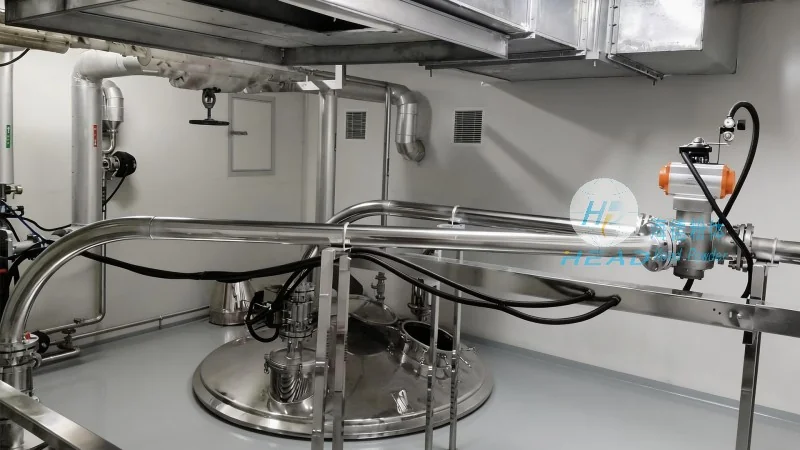
Key Components and Their Functions
Several critical components are integral to the efficient operation of the hydroxide cobalt powder pneumatic conveying line. The material feeder, such as a rotary valve or a screw feeder, regulates the powder flow from the source. The conveying pipeline, usually made of stainless steel or other corrosion-resistant materials, ensures the safe and reliable transport of the powder. The air compressor or vacuum pump provides the necessary pressure or vacuum to move the material. The separator or cyclone, located at the destination, separates the powder from the air, preventing dust and ensuring product purity. The control system, equipped with sensors and programmable logic controllers (PLCs), monitors and controls the entire process, ensuring consistent performance and safety. Each component plays a vital role in maintaining the efficiency and reliability of the system.
Safety and Maintenance Considerations
Ensuring the safe and reliable operation of the hydroxide cobalt powder pneumatic conveying line is paramount. Regular maintenance is essential to prevent system failures and ensure optimal performance. The air compressor and vacuum pump should be checked regularly for wear and tear, and lubricated as per the manufacturer's specifications. The conveying pipeline should be inspected for any signs of corrosion or blockages, and cleaned periodically to prevent powder buildup. The separator and other components should be checked for proper functioning and cleaned as needed. Safety measures, such as dust collection systems and emergency shut-off valves, are crucial to prevent dust explosions and ensure the safety of operators. Proper training for personnel operating the system is also essential to minimize risks and ensure compliance with safety regulations.




