Phosphoric hydrogen calcium powder, a vital component in the production of fertilizers and other chemical products, demands efficient and reliable handling to maintain production efficiency and product quality. Pneumatic conveying lines represent a sophisticated solution for transporting such powders, integrating automation with precision to streamline material movement. This article delves into the operation process and working principle of a phosphoric hydrogen calcium powder pneumatic conveying line, outlining its core components, operational workflow, and technical benefits.
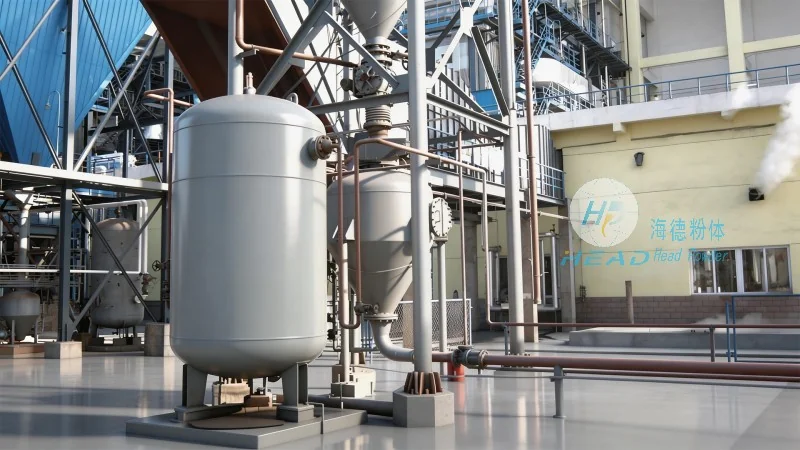
Key Components of the Pneumatic Conveying Line
The phosphoric hydrogen calcium powder pneumatic conveying system comprises several essential components that collaborate to facilitate material transport. These components include the material hopper, which serves as the primary storage and feeding unit; the air compressor or blower, responsible for generating the necessary air pressure to drive the powder; the conveying pipeline, which transports the powder from the source to the destination; and the control system, which monitors and regulates the entire process. Each component is designed to work in harmony, ensuring the system operates smoothly and efficiently.
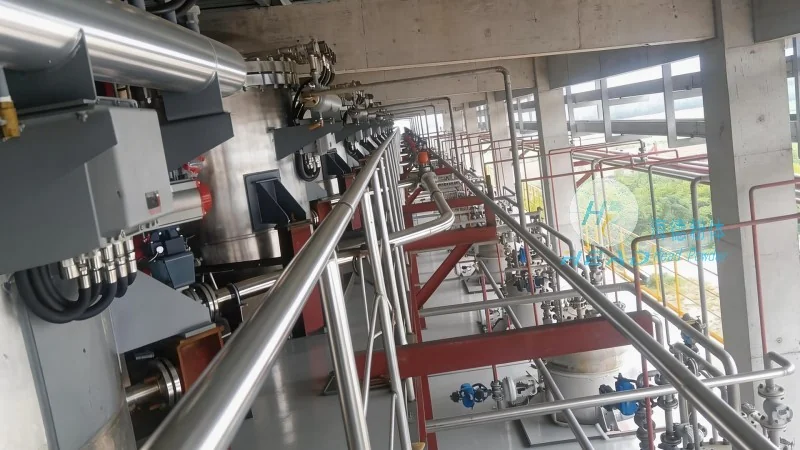
Operation Process of the Pneumatic Conveying Line
The operation of the phosphoric hydrogen calcium powder pneumatic conveying line follows a structured sequence to ensure consistent and safe material transport. The process initiates with the powder being discharged from the material hopper into the conveying pipeline. Concurrently, the air compressor activates, producing a flow of air that creates a negative pressure within the pipeline. As the air flows through the pipeline, it draws the phosphoric hydrogen calcium powder particles into the system, forming a suspension. This mixture of air and powder is then transported to the receiving point, such as a storage silo or processing unit. At the receiving end, a separator or cyclone is employed to separate the powder from the air, allowing the powder to be deposited while the air is either recirculated or released. The control system continuously monitors parameters like pressure, flow rate, and powder level to maintain optimal operation and prevent issues like blockages or overloading, ensuring the system runs reliably.
Working Principle of the Pneumatic Conveying Line
The working principle of the phosphoric hydrogen calcium powder pneumatic conveying line is rooted in fluid dynamics and particle transport mechanics. The system operates by creating a pressure differential between the material hopper and the receiving end. The air compressor provides the driving force by generating high-pressure air, which is introduced into the pipeline. As the air moves through the pipeline, it generates a low-pressure zone that pulls the powder particles into the air stream. The powder particles are then carried along with the air, forming either a dense phase or dilute phase flow, depending on the system design and operating conditions. The separation process at the receiving end utilizes centrifugal force to separate the powder from the air, ensuring the powder is deposited in the desired location without loss or contamination. This principle enables continuous and automated transport of phosphoric hydrogen calcium powder, minimizing manual intervention and enhancing overall productivity.
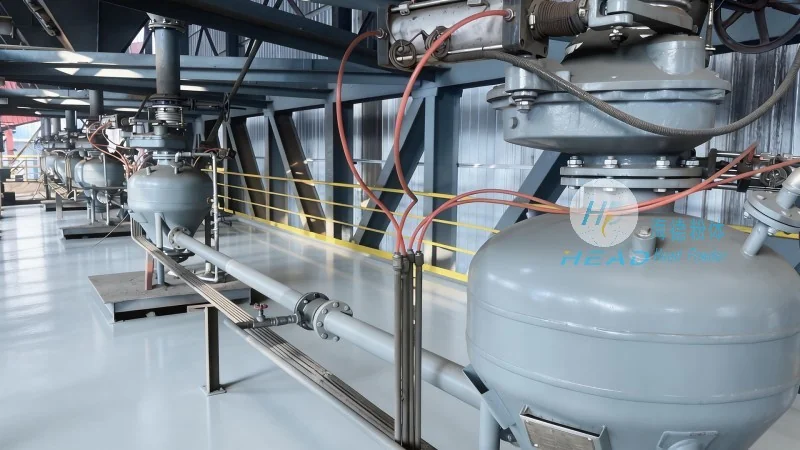
Technical Advantages and Practical Applications
The phosphoric hydrogen calcium powder pneumatic conveying line offers several technical advantages that make it an ideal choice for industrial applications. These advantages include high transport efficiency, as the system can handle large volumes of powder with minimal downtime; low maintenance requirements, due to the absence of mechanical moving parts in the conveying pipeline; and flexibility in system design, allowing for customization based on specific production needs. The system is widely utilized in the fertilizer industry for transporting phosphoric hydrogen calcium powder from storage to processing units, as well as in other chemical and food processing sectors where powder handling is critical. By leveraging pneumatic conveying technology, the system ensures safe and efficient powder transport, reducing the risk of dust exposure and improving workplace safety. Additionally, the system's ability to handle abrasive powders like phosphoric hydrogen calcium without significant wear and tear makes it a durable and cost-effective solution for long-term operation.




