Feather material conveying systems are specialized equipment designed to handle and transport lightweight, irregularly shaped materials such as feathers. These systems are crucial in industries like poultry processing, where efficient handling of raw materials is essential for maintaining productivity and product quality. The operation of these systems involves a combination of mechanical components and control mechanisms that work together to ensure smooth and reliable material transport. Understanding the operation process and working principle is vital for optimizing performance and troubleshooting potential issues. Developed by Shandong HeadPowder Engineering Co., Ltd., a leading manufacturer based in Shandong, China, these systems are engineered to meet the specific needs of the poultry industry.
Key Components of Feather Material Conveying Systems
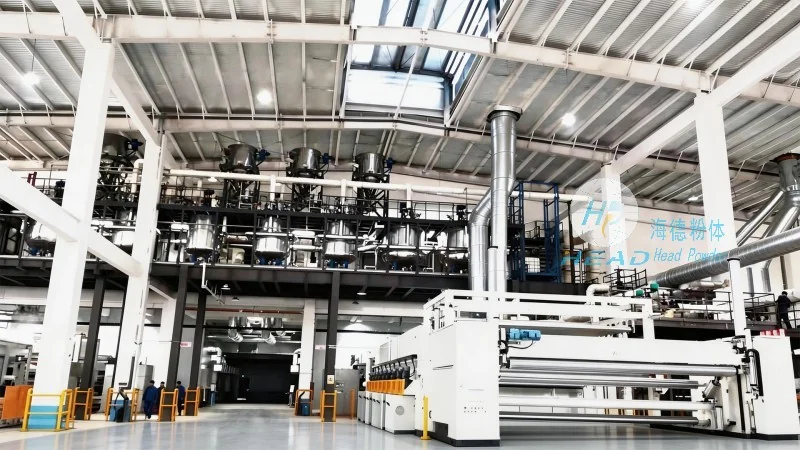
At the core of a feather material conveying system are several key components that work in harmony to facilitate material movement. The primary components include a feeding mechanism, a conveyor belt or chain system, a drive unit, and a control panel. The feeding mechanism is responsible for introducing the feather material into the system, often using a hopper or a gravity-fed inlet. The conveyor belt or chain system then transports the material through the system, while the drive unit provides the necessary power to move the conveyor. The control panel allows operators to monitor and adjust the system's operation, ensuring optimal performance.
Operation Process of Feather Material Conveying
The operation process of a feather material conveying system typically begins with the feeding of raw feather material into the hopper. The material then falls or is gently pushed onto the conveyor belt, which moves it forward through the system. As the material travels along the conveyor, it may pass through additional components such as a separator or a cleaning device, depending on the specific requirements of the application. The conveyor system is designed to handle the lightweight and delicate nature of feathers, using gentle forces to avoid damage to the material. The drive unit continuously rotates the conveyor, maintaining a steady flow of material. The control panel allows operators to adjust the speed of the conveyor and monitor the material level in the hopper, ensuring that the system operates efficiently and without overloading.
Working Principle of Feather Material Conveying Systems
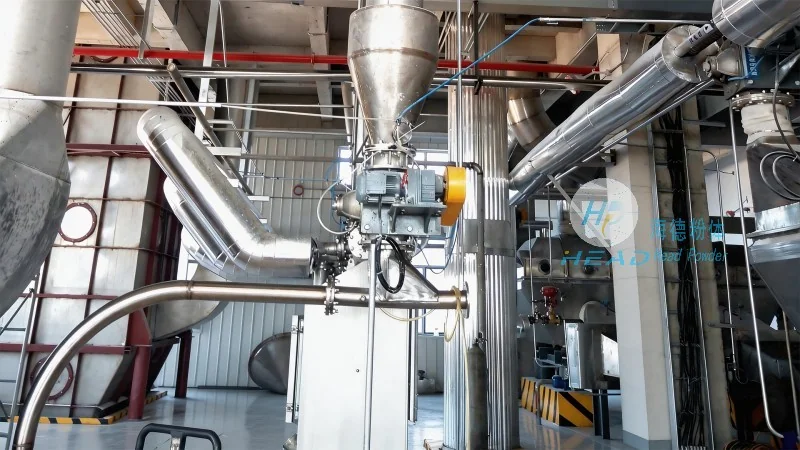
The working principle of feather material conveying systems is based on the principles of mechanical transport and gravity. The system uses a conveyor belt or chain that is driven by a motor, which rotates the belt or chain to move the material. The design of the conveyor system is tailored to the characteristics of feather material, with wide, smooth belts that minimize friction and prevent damage to the delicate feathers. The feeding mechanism ensures that the material is evenly distributed on the conveyor, preventing blockages and ensuring consistent flow. The control panel provides real-time monitoring of the system's performance, allowing operators to make adjustments as needed to maintain optimal operation. The overall goal is to transport the feather material from the input point to the output point efficiently and with minimal loss or damage.
Benefits of Using Feather Material Conveying Systems
Feather material conveying systems offer several benefits in industrial applications. First, they improve the efficiency of material handling by automating the process, reducing the need for manual labor and minimizing the risk of human error. Second, they help maintain product quality by using gentle handling methods that prevent damage to the feathers. Third, they enhance safety in the workplace by reducing the need for workers to handle heavy or bulky materials manually. Fourth, they increase productivity by ensuring a steady and consistent flow of material, which can lead to higher output rates. Finally, these systems are designed to be durable and reliable, with components that are built to withstand the demands of continuous operation in industrial settings.
Application Examples in the Poultry Industry
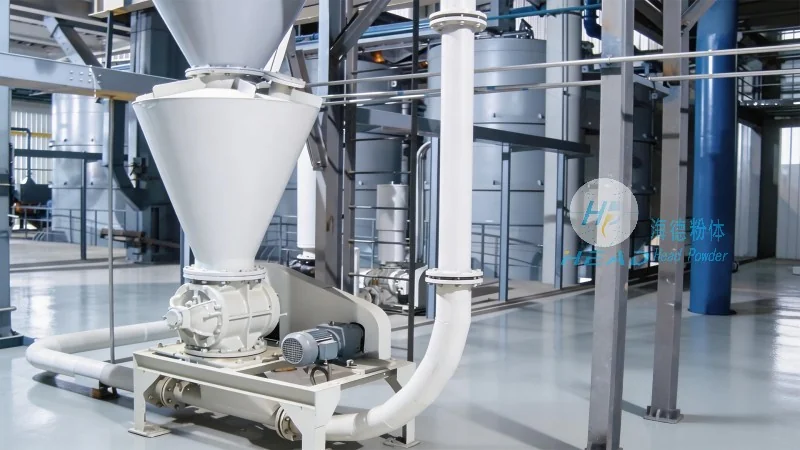
Feather material conveying systems are widely used in the poultry industry for various applications. One common application is in the processing of raw feathers from poultry farms, where the system is used to transport feathers from the collection point to the processing facility. Another application is in the separation of feathers from other byproducts, such as meat and bones, where the conveyor system helps to sort and transport the feathers to the next stage of processing. Additionally, these systems are used in the production of feather products, such as feather pillows and duvets, where the material needs to be transported from the processing line to the packaging area. In each of these applications, the feather material conveying system plays a critical role in ensuring that the material is handled efficiently and with minimal damage, contributing to the overall success of the production process.
Maintenance and Troubleshooting Tips
Proper maintenance is essential to ensure the long-term performance and reliability of feather material conveying systems. Regular maintenance tasks include cleaning the conveyor belt and hopper to remove debris and feathers, checking the drive unit for proper operation, and inspecting the control panel for any issues. If the system experiences problems, such as a blockage or a reduction in conveyor speed, operators should check the material level in the hopper and ensure that the feeding mechanism is functioning correctly. If the issue persists, it may be necessary to inspect the conveyor belt for damage or wear and replace it if needed. Additionally, checking the motor and drive unit for overheating or unusual noises can help identify potential problems before they become major issues. By following these maintenance and troubleshooting tips, operators can ensure that the feather material conveying system operates efficiently and reliably for an extended period.




