The efficient and reliable transportation of heavy calcium material is crucial in various industrial applications, such as the production of coatings, plastics, and paper. As a leading provider in the field, Shandong HeadPowder Engineering Co., Ltd. specializes in designing and manufacturing advanced conveying systems tailored to the unique requirements of heavy calcium material handling. This article delves into the operation process and working principle of heavy calcium material conveying, highlighting the key aspects that ensure optimal performance and safety.
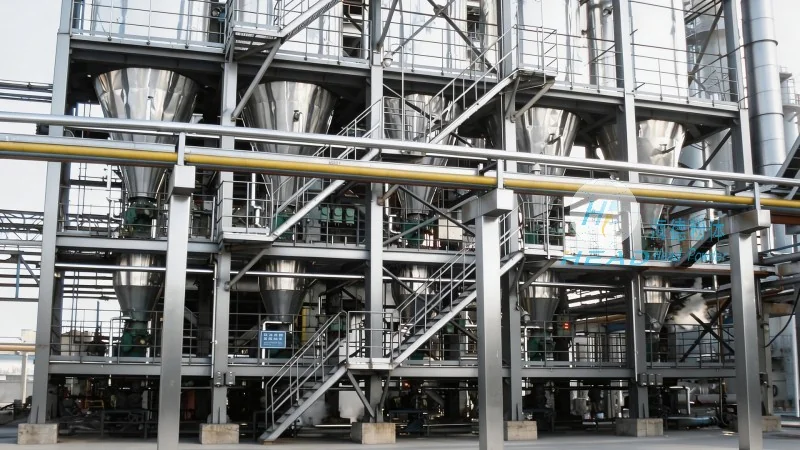
The Working Principle of Heavy Calcium Material Conveying
The core working principle of heavy calcium material conveying involves the use of mechanical systems to transport bulk materials from one location to another. In most cases, this process relies on the principles of gravity, pressure, or mechanical force to move the material through a series of components. The system typically includes a hopper, conveyor belt, or screw mechanism, which works in conjunction with a motor to drive the material forward. The heavy calcium particles, due to their density and size, require specialized equipment to handle without degradation or loss of quality. The conveying system is designed to maintain the integrity of the material, preventing segregation or agglomeration during transport.
The Operation Process of Material Conveying System
The operation process of a heavy calcium material conveying system can be broken down into several sequential steps. First, the material is fed into the hopper, where it is stored and prepared for transport. The hopper is equipped with a feeder, such as a rotary valve or a vibratory feeder, which controls the flow rate of the material into the conveyor. Next, the material is transferred to the conveyor system, which may be a belt conveyor, screw conveyor, or pneumatic conveyor, depending on the specific application. The conveyor then moves the material through the system, often using a series of idlers or paddles to maintain the material's position and prevent it from falling off. The material is then discharged at the end of the conveyor, where it is collected in a storage bin or directly fed into the next production stage.
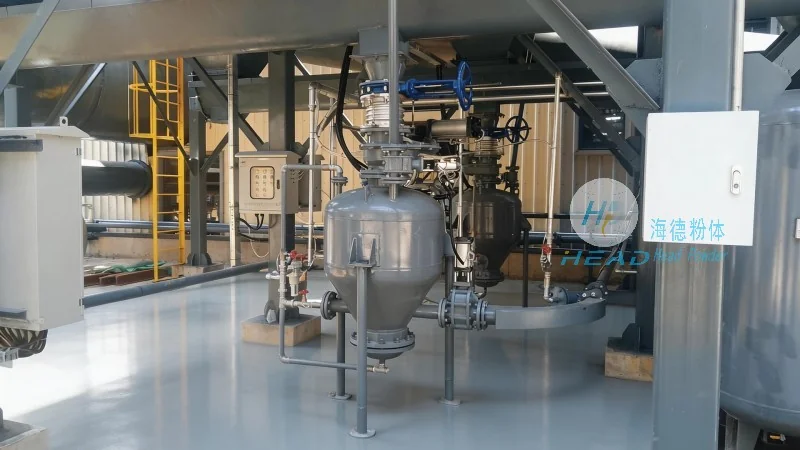
Key Components and Their Functions
Several critical components contribute to the smooth operation of a heavy calcium material conveying system. The hopper serves as the initial storage and feeding unit, ensuring a consistent supply of material to the conveyor. The feeder mechanism, such as a rotary valve or vibratory feeder, regulates the flow rate, preventing overloading or underloading of the conveyor. The conveyor itself, whether a belt or screw type, is responsible for the actual movement of the material. The motor provides the necessary power to drive the conveyor, while the drive system (e.g., pulleys, gears) transmits the power efficiently. Additionally, the system may include a control panel that monitors and adjusts the operation parameters, such as speed and flow rate, to maintain optimal performance.
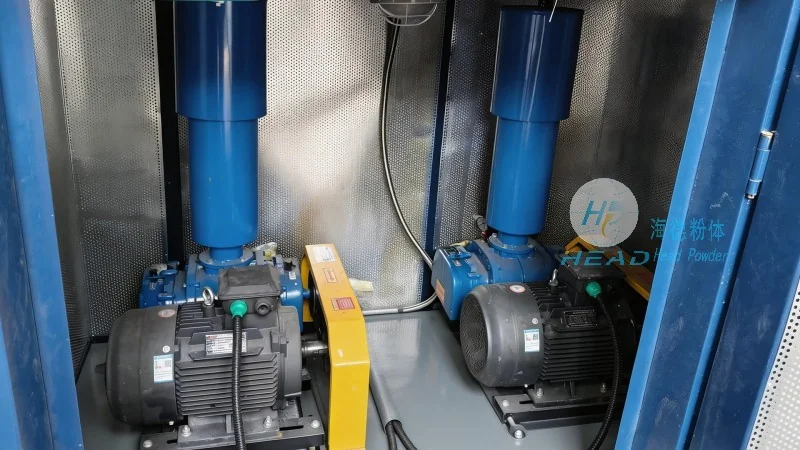
Safety and Maintenance Considerations
Ensuring the safety and longevity of the conveying system is paramount. Regular maintenance is essential to prevent breakdowns and maintain efficiency. This includes inspecting the conveyor belt for wear and tear, checking the motor and drive system for proper functioning, and cleaning the hopper and feeder to prevent material buildup. Safety measures, such as guards on moving parts and emergency stop buttons, are also critical to protect operators from potential hazards. By adhering to proper maintenance protocols and safety guidelines, the system can operate reliably for extended periods, minimizing downtime and maximizing productivity.
Application Examples and Benefits
The heavy calcium material conveying systems developed by Shandong HeadPowder Engineering Co., Ltd. are widely used in various industries. For instance, in the coating industry, the system efficiently transports heavy calcium filler into mixing tanks, ensuring uniform distribution. In the plastic industry, the conveyor delivers the material to extrusion machines, supporting the production of high-quality plastic products. The benefits of these systems include improved material handling efficiency, reduced labor costs, and enhanced product quality due to the prevention of material degradation during transport.




