Coal coke pneumatic conveying is a critical technology in the industrial sector, particularly for the efficient transport of bulk materials like coal coke. This method utilizes air as the medium to move solid particles through a pipeline system. Understanding the working principle of such systems is essential for optimizing material handling processes in various industrial applications.
HeadPowder, a leading provider of engineering solutions, specializes in the design and implementation of advanced powder handling systems. With a strong presence in Shandong, China, the company has established itself as a trusted partner for businesses seeking reliable and efficient material transport solutions. The following sections will delve into the fundamental aspects of coal coke pneumatic conveying, highlighting the key components and operational mechanisms that enable seamless material movement.
Key Components of a Coal Coke Pneumatic Conveying System
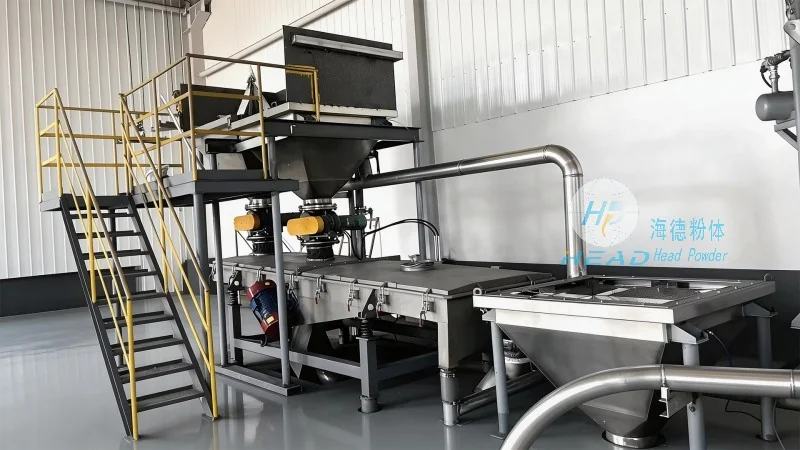
A typical coal coke pneumatic conveying system comprises several essential components that work in tandem to achieve effective material transport. The primary elements include a hopper for material storage, a feeder to control the flow rate, a conveying pipeline, a blower or compressor to generate the air flow, and a receiver for the discharged material. Each component plays a crucial role in ensuring the system operates efficiently and safely.
The hopper is designed to hold the bulk material, such as coal coke, and maintain a consistent supply to the feeder. The feeder, often a rotary valve or a screw feeder, regulates the amount of material entering the pipeline, preventing overloading and ensuring smooth operation. The conveying pipeline, usually made of stainless steel or other corrosion-resistant materials, transports the material and air mixture. The blower or compressor provides the necessary pressure and airflow to move the particles through the system. Finally, the receiver collects the discharged material, completing the transport cycle.
Working Principle of Coal Coke Pneumatic Conveying
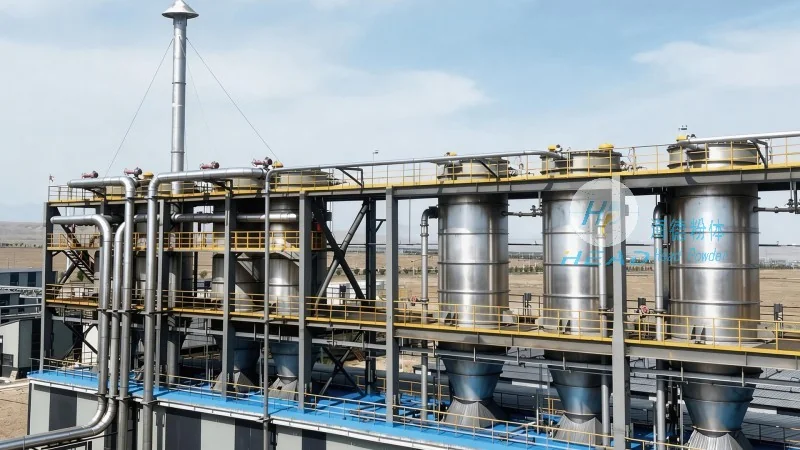
The operation of a coal coke pneumatic conveying system is based on the principle of fluidization and suspension of solid particles in a gas stream. When the blower generates airflow, it creates a pressure differential within the pipeline. The material from the hopper is fed into the pipeline, and the air flow lifts and transports the particles. The velocity of the air must be sufficient to keep the particles suspended, preventing them from settling or clogging the pipeline. This process is known as pneumatic transport, and it allows for the efficient movement of bulk materials over long distances.
There are two main types of pneumatic conveying systems: dilute phase and dense phase. Dilute phase systems operate at higher velocities, typically 20-30 meters per second, and are suitable for short to medium distances. Dense phase systems, on the other hand, operate at lower velocities and higher pressure, making them ideal for longer distances and more challenging applications. The choice between these systems depends on factors such as the material properties, distance to be covered, and the required flow rate.
Benefits of Coal Coke Pneumatic Conveying
Implementing a coal coke pneumatic conveying system offers numerous advantages over traditional material handling methods. One of the primary benefits is the ability to transport materials in a closed system, which minimizes dust emissions and improves workplace safety. This is particularly important for handling coal coke, which can be a source of airborne particles that may pose health risks. Additionally, the system allows for precise control over the material flow rate, ensuring consistent delivery to downstream processes.
Another significant advantage is the reduction in material handling costs. By eliminating the need for manual loading and unloading, as well as reducing the risk of material loss or contamination, the system enhances operational efficiency. The closed pipeline design also prevents material degradation and contamination from external sources, maintaining the quality of the coal coke. Furthermore, the system can be integrated with other industrial processes, such as storage and processing, to create a seamless material flow.
Applications of Coal Coke Pneumatic Conveying
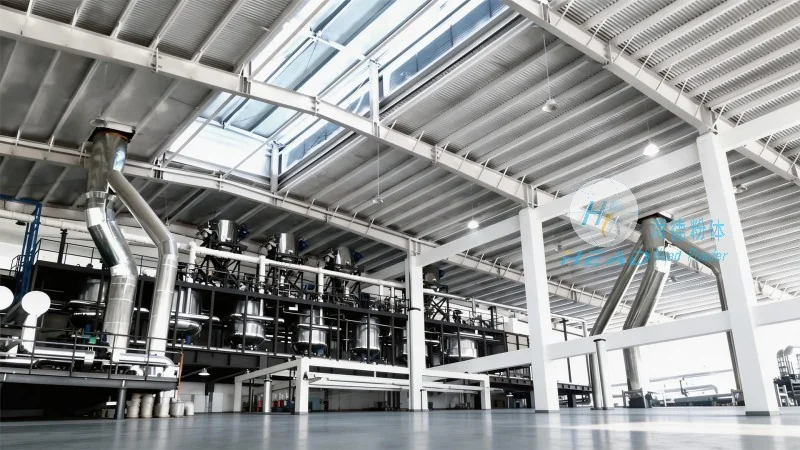
Coal coke pneumatic conveying systems are widely used in various industrial sectors, including power generation, steel production, and chemical manufacturing. In power plants, the system is used to transport coal coke from storage silos to boilers, ensuring a continuous supply of fuel. In steel mills, the material is transported to furnaces for processing, where it plays a crucial role in the production of steel. In chemical plants, the system is used to handle raw materials and intermediates, facilitating the production of various chemical products.
The versatility of the system makes it suitable for a wide range of applications, from small-scale operations to large industrial facilities. The ability to transport materials over long distances and in a controlled manner makes it an ideal solution for businesses looking to optimize their material handling processes. By leveraging the expertise of companies like HeadPowder, industries can implement efficient and reliable coal coke pneumatic conveying systems that meet their specific operational needs.
Conclusion
Coal coke pneumatic conveying is a sophisticated and efficient method for transporting bulk materials. By understanding the working principle and key components of such systems, industries can make informed decisions about implementing these technologies. The benefits of reduced dust emissions, improved safety, and enhanced operational efficiency make it a valuable investment for businesses in the coal and coke industry. With the support of experienced engineering companies like Shandong HeadPowder Engineering Co., Ltd., businesses can ensure the successful implementation and operation of coal coke pneumatic conveying systems, leading to improved productivity and cost savings.




