Efficient cassava material conveying is a critical component in the cassava processing industry, ensuring smooth material flow from raw cassava to subsequent processing stages. The operation process and working principle of cassava material conveying systems are designed to handle the unique characteristics of cassava, such as its size, moisture content, and density, while maintaining high throughput and minimal material loss. This article provides a detailed overview of the operation process and working principle of cassava material conveying systems, highlighting the key components, operational steps, and technical aspects that contribute to their effectiveness.
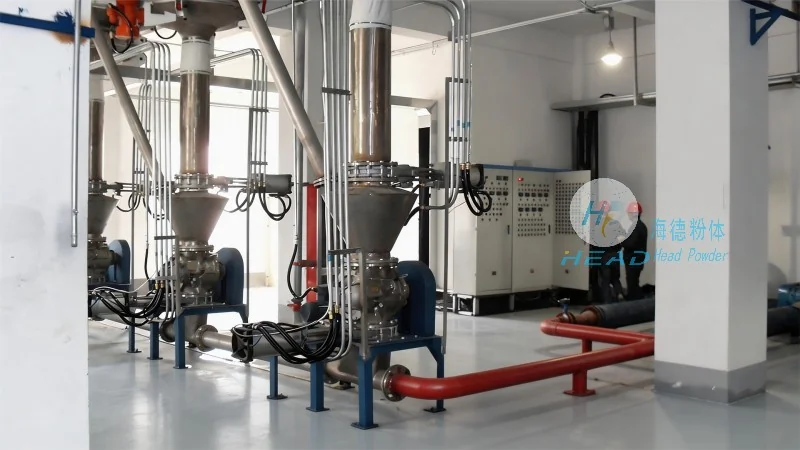
Company Introduction: Shandong HeadPowder Engineering Co., Ltd.
HeadPowder, a leading engineering company based in Shandong, China, specializes in the design, manufacturing, and installation of advanced material handling systems for various industries, including the cassava processing sector. With years of experience and a commitment to innovation, HeadPowder has developed state-of-the-art cassava material conveying solutions that meet the stringent requirements of modern cassava processing plants. The company's expertise lies in integrating mechanical engineering principles with practical industry needs to deliver reliable and efficient conveying systems.
Key Components of Cassava Material Conveying Systems
The cassava material conveying system typically consists of several key components that work in tandem to ensure optimal performance. These components include the feed hopper, conveyor belts or rollers, drive mechanisms, control panels, and safety features. The feed hopper is responsible for receiving raw cassava and distributing it evenly onto the conveyor surface. The conveyor system, which may use belts, rollers, or screw conveyors depending on the application, transports the cassava material from the feed point to the discharge point. The drive mechanism, usually powered by electric motors, provides the necessary force to move the conveyor. The control panel allows operators to monitor and adjust the system's parameters, such as speed and direction, to maintain consistent material flow. Safety features, such as emergency stop buttons and overload protection, are integrated to prevent accidents and ensure operator safety.
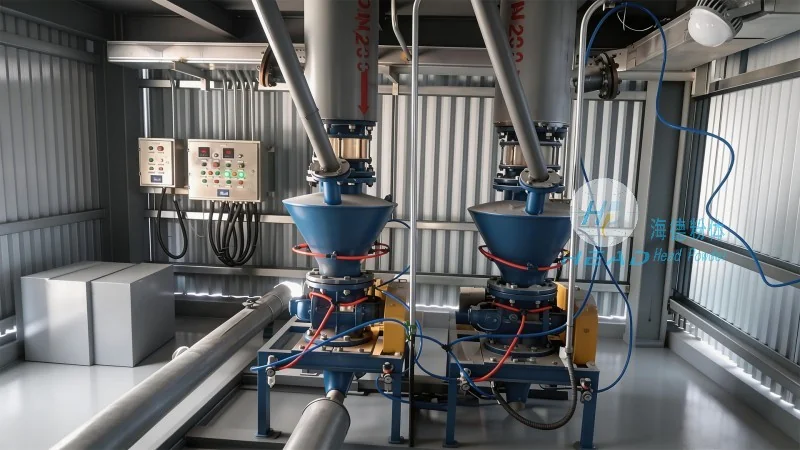
Operation Process of Cassava Material Conveying
The operation process of a cassava material conveying system begins with the loading of raw cassava into the feed hopper. The hopper is designed to accommodate large volumes of cassava and distribute it uniformly to prevent blockages or uneven flow. Once the hopper is filled, the conveyor system is activated by the control panel. The drive mechanism starts, and the conveyor belt or rollers begin to move, transporting the cassava material forward. The speed of the conveyor can be adjusted based on the processing requirements, such as the speed of downstream equipment. As the cassava moves along the conveyor, it may pass through additional processing stages, such as cleaning or sorting, before reaching the discharge point. The discharge point is typically a hopper or chute that directs the material to the next processing unit. The entire process is monitored by the control panel, which provides real-time feedback on the system's performance, including speed, load, and any potential issues. Operators can adjust the system parameters as needed to maintain optimal operation.
Working Principle of Cassava Material Conveying Systems
The working principle of cassava material conveying systems is based on mechanical force and gravity. The conveyor system uses a continuous loop of material, such as a belt or a series of rollers, to transport the cassava from the feed point to the discharge point. The drive mechanism, powered by an electric motor, rotates the conveyor components, creating a moving surface that pulls the cassava along. The speed of the conveyor is determined by the motor's speed and the mechanical transmission system, which may include gears or pulleys. The feed hopper ensures that the cassava is evenly distributed on the conveyor surface, preventing the material from accumulating in one area and causing blockages. The control panel regulates the system's operation by sending signals to the motor and other components, adjusting the speed and direction as needed. Safety features, such as emergency stop buttons, are integrated to stop the system immediately in case of an emergency, protecting both the equipment and the operators. The entire system operates in a closed loop, with the control panel continuously monitoring the system's performance and making adjustments to maintain consistent material flow.
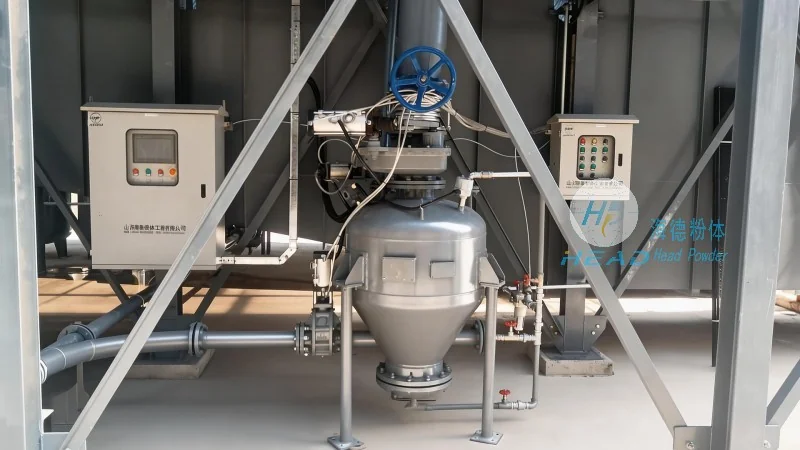
Benefits of Efficient Cassava Material Conveying
Efficient cassava material conveying offers several benefits to processing plants, including increased productivity, reduced material loss, and improved safety. By ensuring smooth material flow, the system minimizes downtime and maximizes throughput, allowing plants to process more cassava in less time. The uniform distribution of material on the conveyor reduces the risk of blockages and material damage, which can lead to lower yields and higher processing costs. Additionally, the integrated safety features protect operators from potential hazards, such as moving parts or falling materials. The ability to adjust the conveyor speed and direction allows plants to adapt to changing processing requirements, ensuring optimal performance under various conditions. Overall, efficient cassava material conveying is essential for maintaining the efficiency and profitability of cassava processing operations.
Conclusion
In conclusion, the operation process and working principle of cassava material conveying systems are critical to the success of cassava processing plants. The system's components, including the feed hopper, conveyor, drive mechanism, and control panel, work together to ensure efficient and safe material transport. The operation process involves loading, activating, monitoring, and adjusting the system to maintain consistent performance. The working principle is based on mechanical force and gravity, with the conveyor system moving the cassava from the feed point to the discharge point. By understanding and implementing these principles, processing plants can improve their operational efficiency, reduce costs, and enhance safety. HeadPowder, with its expertise in material handling systems, provides reliable and efficient cassava material conveying solutions that meet the needs of modern processing plants.




