When handling polytetrafluoroethylene (PTFE), a highly versatile and chemically inert material, the design and operation of pneumatic conveying systems require special attention to prevent dust leakage. PTFE is known for its excellent resistance to chemicals, high temperature stability, and low friction, but its fine powder form can pose significant challenges during transport. Dust leakage not only leads to material loss and environmental contamination but also poses health risks due to PTFE's potential respiratory irritancy. This article explores effective strategies to mitigate dust leakage in pneumatic conveying systems specifically for PTFE, with a focus on practical solutions and industry best practices.
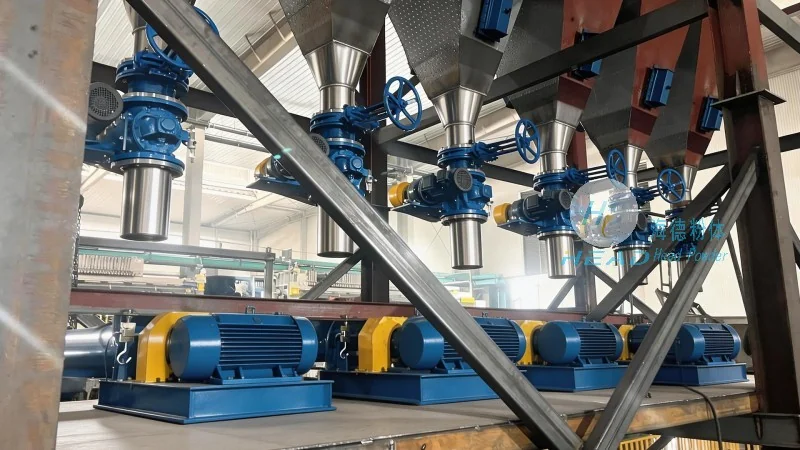
Understanding the Challenges of PTFE in Pneumatic Conveying
Polytetrafluoroethylene (PTFE) is a non-stick, heat-resistant polymer widely used in industrial applications such as coatings, gaskets, and bearings. Its fine powder form, often produced through milling or grinding processes, makes it susceptible to airborne dispersion during handling. Pneumatic conveying systems, which use air to transport bulk materials, can exacerbate this issue if not properly designed. The primary challenges include material degradation from friction and heat, increased risk of dust explosion due to fine particle size, and the difficulty in maintaining a sealed system to prevent leakage. These factors necessitate a comprehensive approach to system design, maintenance, and operational protocols.
Key Factors Contributing to Dust Leakage in PTFE Conveying
Several factors contribute to dust leakage in pneumatic conveying systems for PTFE. First, the material's low bulk density and high dustiness mean that even minor pressure differentials can cause particles to escape from seals and connections. Second, the system's air pressure and velocity play a critical role; excessive velocity can generate turbulence, leading to particle entrainment and leakage. Third, wear and tear on components like valves, elbows, and filters accelerate over time, creating pathways for dust to escape. Finally, inadequate sealing around moving parts, such as rotary air locks and conveyor inlets, allows air and PTFE particles to bypass the system. Addressing these factors requires a systematic evaluation of the entire conveying line and targeted improvements.
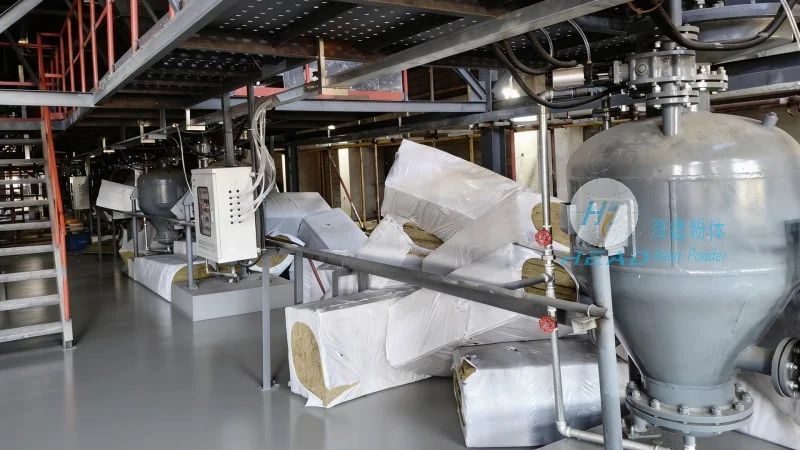
Strategies to Prevent Dust Leakage in PTFE Pneumatic Conveying
Implementing effective dust control measures in PTFE pneumatic conveying systems involves a combination of design modifications, regular maintenance, and operational adjustments. One of the most critical steps is ensuring airtight connections throughout the system. This includes using high-quality gaskets and seals on all joints, particularly at the inlet and outlet of the conveying line. For rotary air locks, which are prone to wear, replacing them with models designed for fine powders or using lubricated seals can significantly reduce leakage. Additionally, installing dust collection systems at strategic points, such as the discharge end and filter housings, captures escaped particles and prevents them from entering the environment.
Another effective strategy is to optimize the air velocity and pressure within the system. Maintaining a consistent, moderate velocity reduces turbulence and minimizes particle separation from the air stream. This can be achieved by adjusting the blower capacity and using appropriate pipe sizing to avoid excessive pressure drops. Furthermore, incorporating static mixers or flow straighteners can help stabilize the air flow, reducing the likelihood of dust leakage through uneven pressure distribution. Regular monitoring of pressure differentials across seals and components is essential to detect early signs of wear and prevent larger leaks.
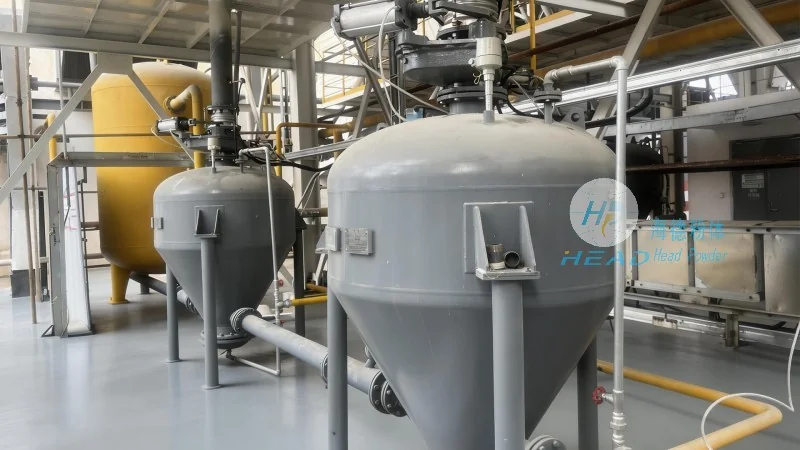
Advanced Solutions for Enhanced PTFE Conveying Safety
For industries dealing with PTFE in high-volume applications, advanced technologies can provide additional layers of protection against dust leakage. One such solution is the use of closed-loop conveying systems, which recirculate air through a filtration unit, eliminating the need for external air intake and reducing the risk of contamination. These systems are particularly effective in environments where air quality regulations are stringent. Another option is the integration of electrostatic discharge (ESD) control measures, as PTFE particles can accumulate static charge, increasing the risk of ignition in the presence of flammable gases or vapors. Implementing grounding and bonding protocols for equipment and containers helps dissipate static electricity, preventing sparks that could ignite dust clouds.
Regular maintenance and inspection are also vital components of a comprehensive dust control strategy. Scheduling routine checks for component wear, such as replacing worn seals or cleaning filter media, ensures that the system operates at peak efficiency. Training operators on proper system operation, including how to handle pressure changes and identify early warning signs of leakage, enhances overall safety and reduces the likelihood of incidents. By combining these strategies, companies can significantly reduce dust leakage in PTFE pneumatic conveying systems, protecting both their operations and the environment.
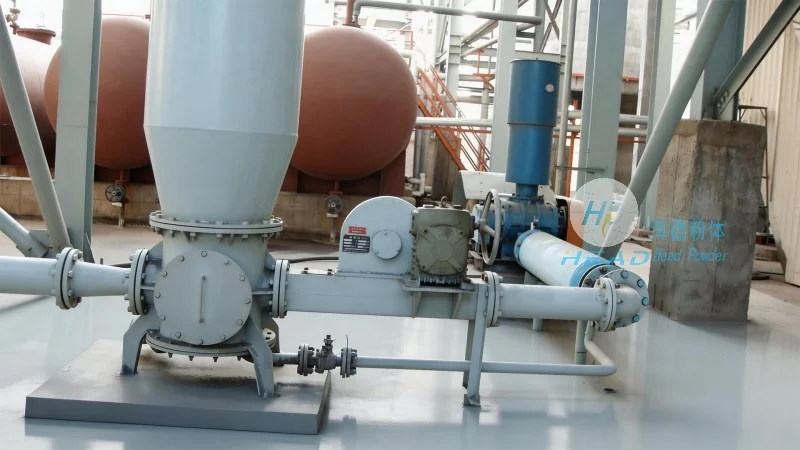
About HeadPowder Engineering
HeadPowder Engineering, a leading provider of pneumatic conveying solutions, specializes in designing and manufacturing systems tailored to the unique challenges of handling PTFE and other fine powders. With years of experience in the industry, our team of experts understands the importance of preventing dust leakage and ensuring safe, efficient material transport. Our solutions are engineered to meet the highest standards of performance and reliability, helping businesses minimize material loss, comply with environmental regulations, and maintain a safe working environment. HeadPowder Engineering is committed to delivering innovative, customized solutions that address the specific needs of each client, ensuring long-term success in PTFE handling applications.
HeadPowder Engineering is located in Shandong, China, and serves clients globally with a focus on quality, innovation, and customer satisfaction. Our company is dedicated to providing reliable and effective pneumatic conveying systems that help industries handle PTFE and other challenging materials with precision and safety.




