For industrial applications, efficient and reliable material handling is crucial, especially when dealing with bulk materials like rice bran. The operation process and working principle of rice bran material conveying systems are designed to ensure smooth and continuous material transport from the source to the processing or storage areas. This article provides a detailed overview of the key components, operational steps, and technical aspects involved in such systems, highlighting the importance of proper design and maintenance for optimal performance.
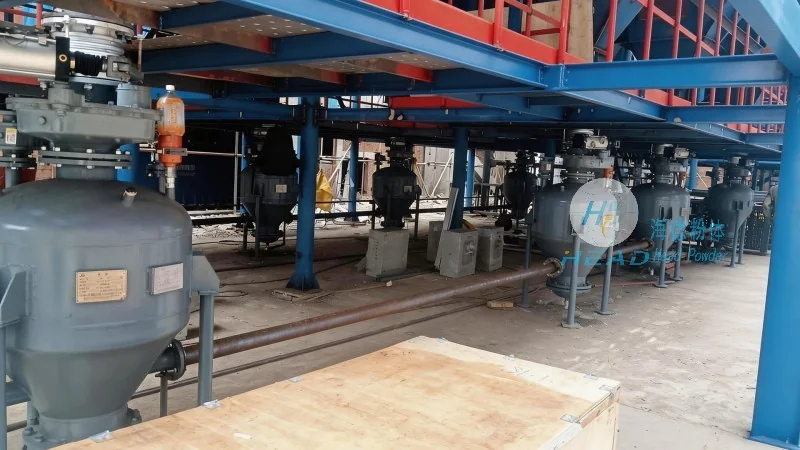
Company Profile: Shandong HeadPowder Engineering Co., Ltd.
HeadPowder, a leading manufacturer in the field of material handling equipment, specializes in providing customized solutions for various bulk material conveying needs. With a strong commitment to quality and innovation, the company has established itself as a trusted partner for industries dealing with rice bran and other similar materials. HeadPowder's expertise lies in designing and manufacturing systems that meet the specific requirements of clients, ensuring high efficiency, durability, and safety in material transport operations.
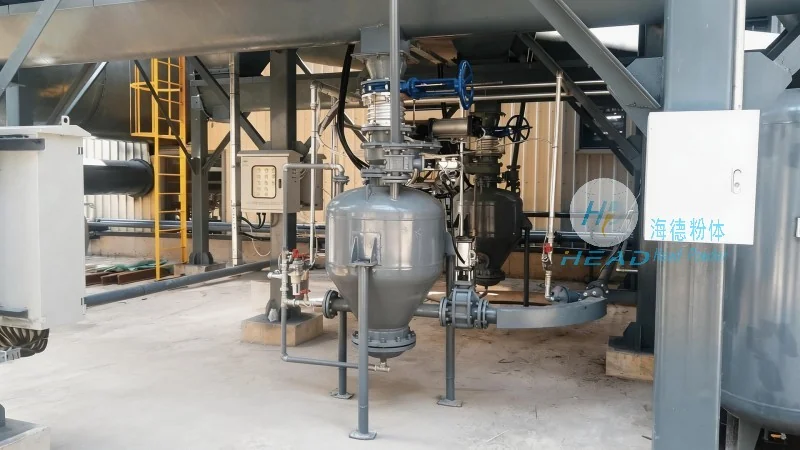
Key Components of Rice Bran Material Conveying Systems
The rice bran material conveying system typically consists of several essential components that work in tandem to facilitate the movement of material. These components include the feeding mechanism, conveyor belts or pipes, drive systems, control panels, and supporting structures. The feeding mechanism is responsible for uniformly feeding the rice bran into the conveyor system, ensuring consistent flow and preventing blockages. Conveyor belts or pipes are the primary means of transporting the material, with options such as belt conveyors, screw conveyors, or pneumatic conveyors depending on the application requirements. The drive system provides the necessary power to move the material along the conveyor path, while the control panels allow operators to monitor and adjust the system parameters as needed. Supporting structures provide stability and ensure the system operates within safe operational limits.
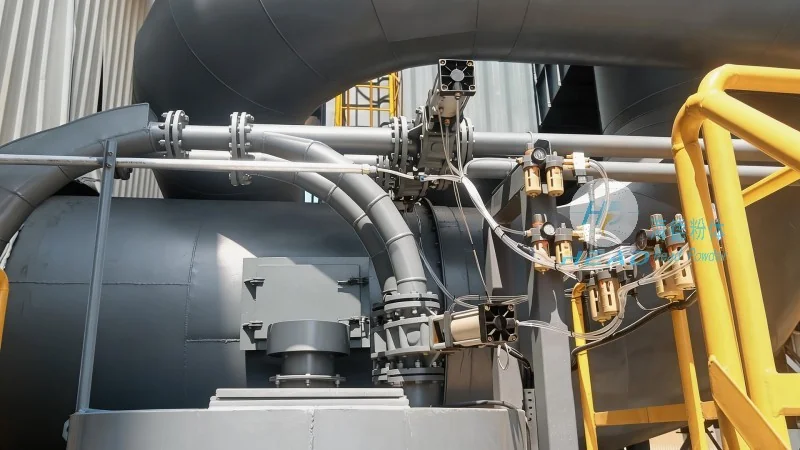
Operation Process of Rice Bran Material Conveying
The operation process of a rice bran material conveying system involves several sequential steps that ensure the smooth flow of material from the source to the destination. The first step is the material feeding, where rice bran is introduced into the system through the feeding mechanism. This is followed by the material transport phase, where the conveyor system moves the material along the designated path. The speed and direction of the conveyor are controlled by the drive system and the control panel, allowing for precise regulation of the material flow rate. During the transport process, the system may include intermediate storage or processing steps, such as screening or drying, depending on the specific application. The final step is the material discharge, where the rice bran is delivered to the processing or storage area. Throughout the operation, the system is monitored for any abnormalities, such as blockages or overloads, and adjustments are made as necessary to maintain optimal performance.
Working Principle of Rice Bran Material Conveying Systems
The working principle of rice bran material conveying systems is based on the application of mechanical forces to move the material from one location to another. For belt conveyors, the principle involves the use of a motor-driven pulley system that pulls the belt, causing the material placed on the belt to move along with it. The belt is typically made of durable materials such as rubber or plastic, designed to withstand the weight and abrasiveness of rice bran. Screw conveyors operate on the principle of a rotating screw that pushes the material forward, similar to an Archimedes screw. This type of conveyor is suitable for vertical or inclined transport and can handle materials with varying moisture content. Pneumatic conveyors, on the other hand, use compressed air to transport the material through a pipeline system. The material is suspended in the air stream and transported to the desired location. Each type of conveyor system has its own advantages and is selected based on factors such as material characteristics, distance, and operating environment.
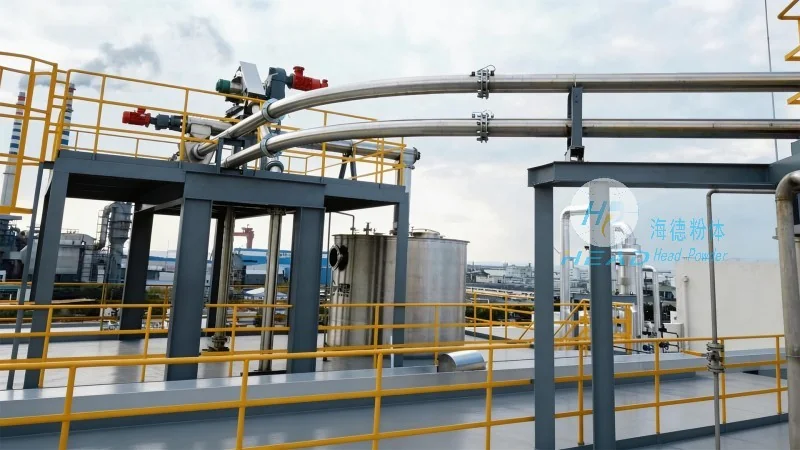
Importance of Proper Design and Maintenance
Proper design and regular maintenance are critical for the efficient and safe operation of rice bran material conveying systems. The design phase involves careful consideration of factors such as material properties, flow rates, and system layout to ensure that the system meets the specific requirements of the application. This includes selecting the appropriate conveyor type, determining the optimal speed and inclination, and ensuring adequate support structures. Regular maintenance is essential to prevent equipment failure and extend the lifespan of the system. This includes routine checks of the drive system, belt tension, and material flow, as well as timely replacement of worn parts. By adhering to proper design and maintenance practices, industries can ensure the reliable and cost-effective operation of their rice bran material conveying systems.




