Graphene, a two-dimensional material composed of a single layer of carbon atoms arranged in a hexagonal lattice, has revolutionized various industries due to its exceptional mechanical, electrical, and thermal properties. In the field of material handling and processing, the application of graphene in pneumatic conveying systems represents a significant advancement, offering enhanced efficiency and performance for the transport of fine powders and granular materials. This article provides an overview of graphene pneumatic conveying systems, detailing their structural components and operational principles.
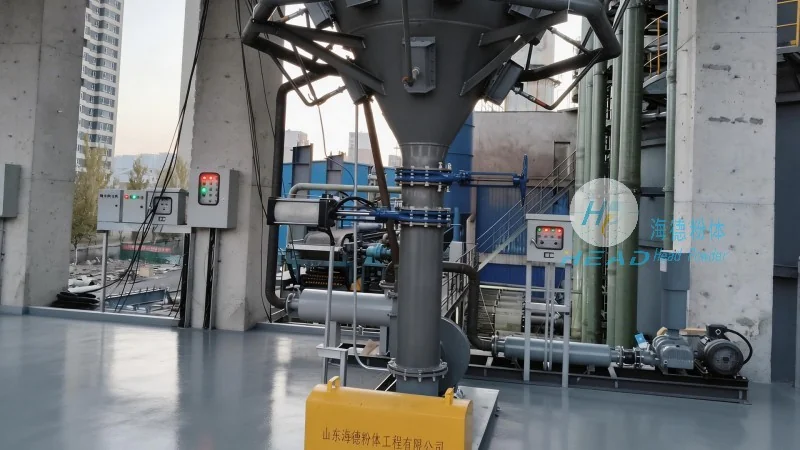
HeadPowder, a leading manufacturer based in Shandong, China, specializes in the design and development of advanced pneumatic conveying solutions tailored for high-value materials like graphene. The company's expertise in engineering and material science ensures that their systems are optimized for the unique characteristics of graphene, which includes high surface area, light weight, and potential reactivity under certain conditions. By integrating cutting-edge technology with practical application, HeadPowder's systems address the challenges associated with handling delicate and valuable materials, ensuring minimal degradation and maximum throughput.
The core structure of a typical graphene pneumatic conveying system consists of several key components that work in concert to achieve efficient material transport. The primary elements include a hopper or feeder for material storage and feeding, a conveying line (often equipped with special internal surfaces to minimize particle friction and attrition), a control system for regulating air flow and pressure, and a receiver or discharge unit for collecting the conveyed material. Each component is designed with considerations specific to graphene, such as the use of non-stick or low-friction surfaces to prevent material buildup and ensure smooth flow.
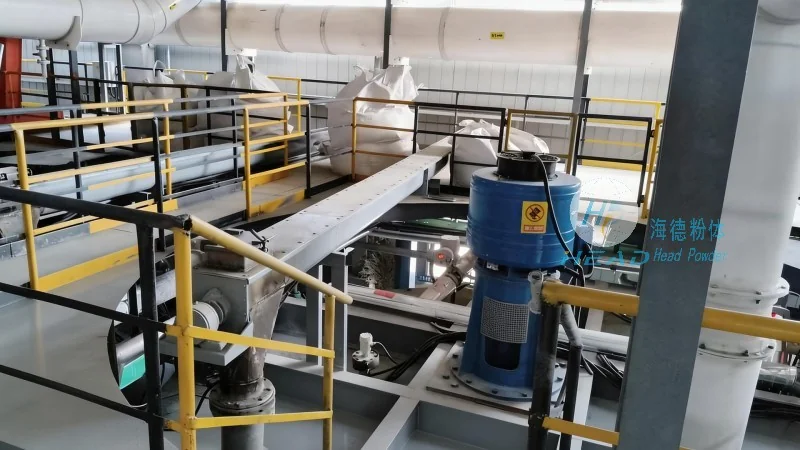
The working principle of the system relies on the creation of a high-velocity air stream within the conveying line. As air is introduced into the system, it draws the graphene particles from the hopper into the line through a process known as suction or pressure-assisted conveying. The air velocity is carefully controlled to maintain a stable suspension of the particles, preventing clogging and ensuring consistent flow rates. The control system plays a critical role in maintaining optimal air pressure and flow rates, adapting to variations in material feed rate and system load. This dynamic regulation ensures that the system operates efficiently under different operating conditions, maximizing the throughput while minimizing energy consumption.
One of the key advantages of graphene pneumatic conveying systems is their ability to handle fine powders with high efficiency and minimal loss. Unlike traditional bulk material handling methods, which may suffer from segregation or degradation, the pneumatic system maintains the integrity of the graphene particles throughout the transport process. The low friction and smooth internal surfaces of the conveying line reduce particle attrition, preserving the material's quality and properties. Additionally, the system's compact design allows for easy integration into existing production lines, making it a versatile solution for various industrial applications.
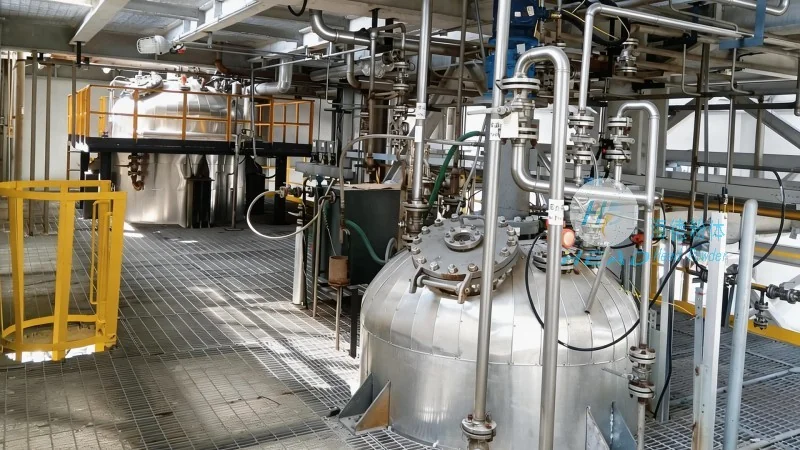
HeadPowder's commitment to innovation is evident in the design of their graphene pneumatic conveying systems. By leveraging advanced materials and engineering techniques, the company has developed systems that not only meet but exceed industry standards for performance and reliability. The systems are built to handle varying particle sizes and moisture contents, adapting to the diverse needs of different applications. This flexibility makes them suitable for use in research and development laboratories, as well as in large-scale industrial production facilities.
In conclusion, graphene pneumatic conveying systems represent a sophisticated solution for the efficient and reliable transport of high-value materials like graphene. The combination of advanced structural design and precise operational control ensures that these systems deliver superior performance, minimizing material loss and degradation while maximizing throughput. As the demand for graphene and other advanced materials continues to grow, such systems will play an increasingly important role in facilitating their processing and distribution. HeadPowder's expertise in this field positions them as a trusted partner for businesses seeking to optimize their material handling processes.




