Loess pneumatic conveying equipment, as a key component in material handling systems, plays a crucial role in the efficient transportation of loess and similar powdery materials. Developed by Shandong HeadPowder Engineering Co., Ltd., this equipment is designed to meet the demands of various industrial applications, ensuring reliable and safe material transport. The following sections will detail the operation process and working principle of this equipment, providing a comprehensive understanding of its functionality.
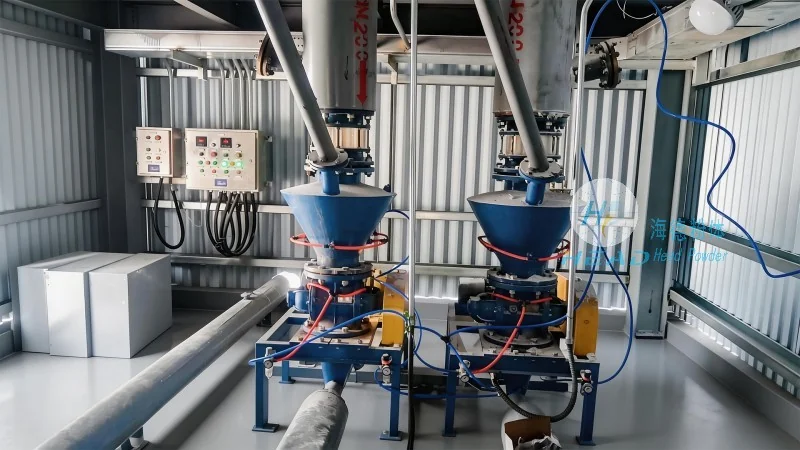
About HeadPowder Engineering
HeadPowder, the professional brand under Shandong HeadPowder Engineering Co., Ltd., specializes in the research, development, and manufacturing of advanced pneumatic conveying systems. With a focus on innovation and quality, HeadPowder has established itself as a leading provider in the industry, delivering solutions tailored to the unique needs of clients. The company is headquartered in Shandong, China, where it leverages its expertise to create efficient and durable equipment for material handling.
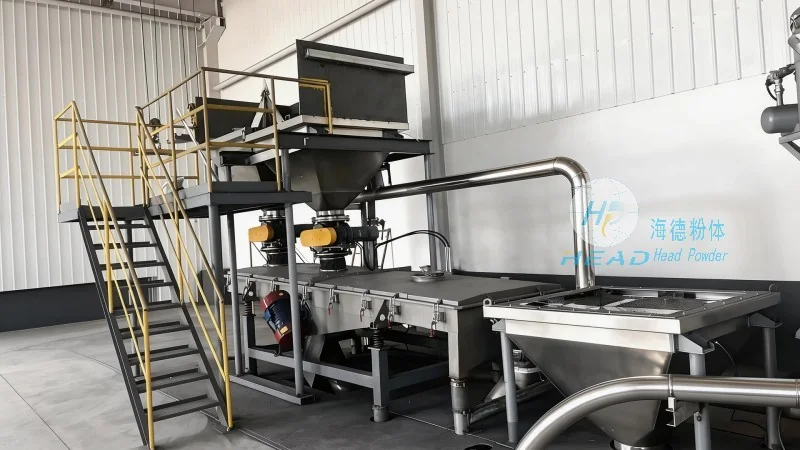
Overview of Loess Pneumatic Conveyor
Loess pneumatic conveyor is a type of pneumatic conveying system specifically engineered for the transport of loess, a fine-grained soil composed of silt particles. This equipment utilizes air pressure to move the material through a pipeline system, eliminating the need for mechanical components like belts or buckets that are common in traditional conveying methods. The design of the loess pneumatic conveyor is optimized to handle the unique properties of loess, such as its low density and high dust potential, ensuring effective and efficient material transport while maintaining operational safety.
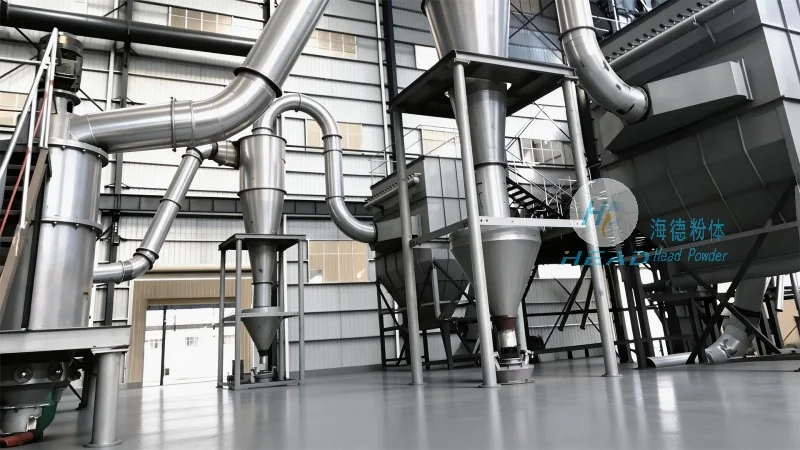
Operation Process of Loess Pneumatic Conveyor
The operation of a loess pneumatic conveyor involves several key steps, each designed to ensure smooth and continuous material transport. The process begins with the loading of the loess material into the hopper, where it is stored before being introduced into the conveying system. A fan or blower then generates the necessary air pressure, creating a flow of air that pulls the material particles into the pipeline. As the material travels through the pipeline, it is mixed with the air, forming a dense phase flow that moves the material efficiently. The conveying system includes various components such as the hopper, pipeline, and discharge unit, each playing a critical role in the overall operation. The material is then discharged at the receiving end, completing the transport cycle. This process is typically automated, with controls that regulate the air flow and material feed to maintain consistent performance.
Working Principle of Loess Pneumatic Conveyor
The working principle of a loess pneumatic conveyor is based on the principles of fluid dynamics and air movement. The system operates by creating a pressure differential between the inlet and outlet of the pipeline. The fan or blower at the inlet generates a high-pressure air stream, which draws the loess material into the pipeline. The material particles are suspended in the air stream, moving along the pipeline due to the pressure difference. The design of the pipeline, including its diameter and length, is critical in determining the efficiency of the conveying process. The use of a dense phase conveying method helps to minimize material degradation and reduce dust emissions, making it suitable for handling fine powders like loess. The system also incorporates features such as air filtration and dust collection to ensure environmental compliance and operational safety.
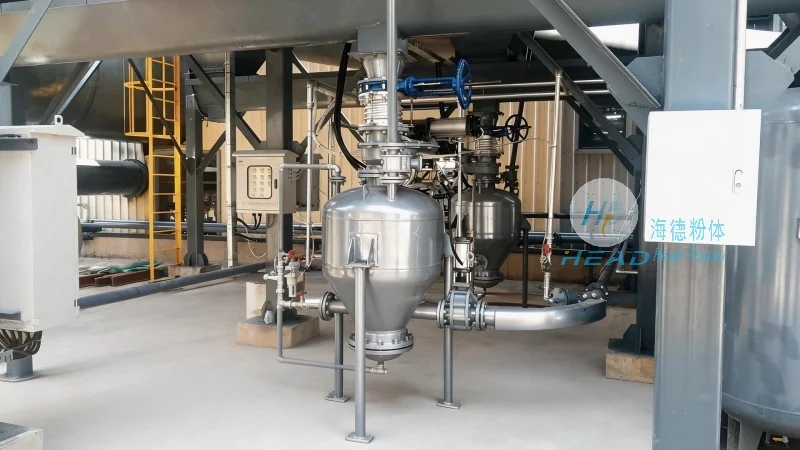
Key Features and Benefits
Loess pneumatic conveyors from HeadPowder Engineering offer several advantages over traditional conveying methods. These include reduced maintenance costs due to the absence of mechanical parts, lower energy consumption compared to other systems, and the ability to handle materials with high moisture content or abrasive properties. The equipment is also designed for easy integration into existing material handling systems, with customizable components to meet specific client requirements. Additionally, the use of advanced materials and engineering ensures durability and long-term performance, making it a reliable choice for industrial applications.




