Paddy grain pneumatic conveying is a crucial technology in the agricultural and food processing industries, designed to transport paddy grains efficiently and safely. This method utilizes air as the conveying medium to move grains through a pipeline system, offering advantages such as reduced labor costs, minimized product damage, and enhanced hygiene compared to traditional mechanical conveyors. The technology has become increasingly important in modern grain handling operations, particularly for paddy grains which require gentle handling to preserve quality.
Working Principles of Pneumatic Conveying for Paddy Grains
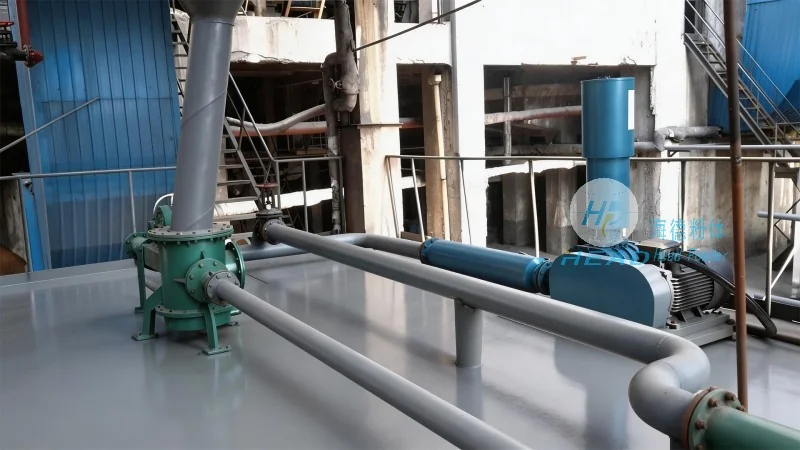
The core principle of pneumatic conveying for paddy grains involves creating a pressure differential within a pipeline. A fan or blower generates airflow, which draws paddy grains into the system through an inlet or hopper. The grains are then suspended in the air stream and transported to the destination point, such as a storage silo or processing facility. The system typically includes components like a hopper, feeder, pipeline, and receiver, each playing a vital role in the conveying process. The velocity of the air and the grain size are critical factors that determine the efficiency and effectiveness of the conveying operation. Proper design of the system ensures that the grains are conveyed without excessive pressure drops or particle degradation.
Classification of Pneumatic Conveying Systems for Paddy Grain Handling
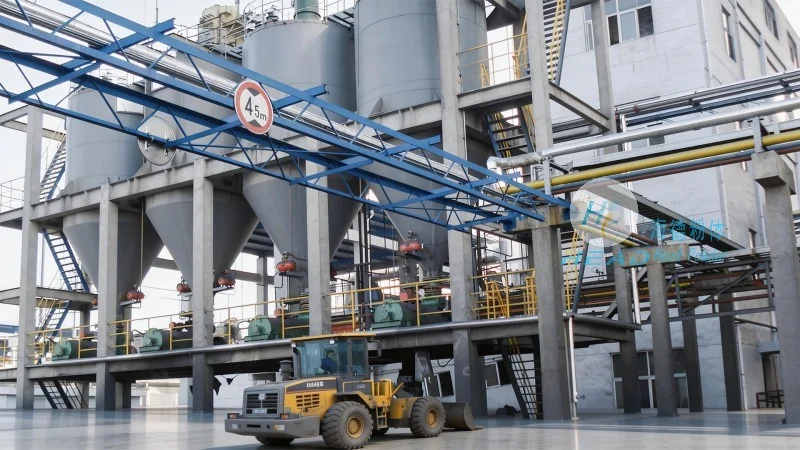
Pneumatic conveying systems for paddy grains are generally classified into two main types: dilute-phase and dense-phase systems. Dilute-phase systems operate at higher air velocities, typically 20-30 m/s, and are suitable for short to medium distance conveying. These systems are cost-effective and easy to install, making them ideal for small to medium-sized grain handling operations. Dense-phase systems, on the other hand, operate at lower air velocities (5-15 m/s) and higher pressure, which allows for longer conveying distances and gentler handling of the grains. This type of system is preferred for applications where product quality is paramount, such as in the transportation of high-value paddy grains.
Application Scenarios and Benefits of Different Conveying Methods
The choice of pneumatic conveying system depends on the specific application requirements. For example, in paddy processing plants, dilute-phase systems are commonly used for conveying raw paddy from the field to the processing line, while dense-phase systems are employed for transporting finished products to storage facilities. The benefits of pneumatic conveying include reduced product breakage, lower energy consumption compared to mechanical systems, and the ability to handle a wide range of grain sizes and moisture contents. Additionally, the enclosed pipeline system minimizes dust and contamination, ensuring that the paddy grains remain clean and free from external pollutants. These advantages make pneumatic conveying a preferred choice for modern paddy grain handling operations.
Company Profile: Shandong HeadPowder Engineering Co., Ltd.
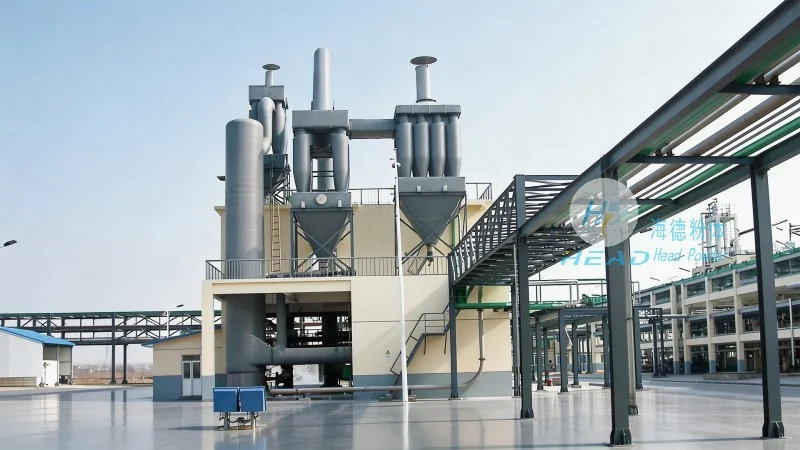
Shandong HeadPowder Engineering Co., Ltd., a leading provider of pneumatic conveying solutions, specializes in designing and manufacturing systems tailored to the needs of the agricultural industry. With its headquarters located in Shandong, China, the company leverages over years of experience in the field to deliver high-quality, reliable pneumatic conveying systems for paddy grain handling. The company's expertise lies in understanding the unique characteristics of paddy grains and developing customized solutions that optimize efficiency, reduce costs, and enhance product quality. By combining advanced engineering techniques with a deep understanding of grain handling processes, Shandong HeadPowder Engineering Co., Ltd. offers comprehensive services from system design and installation to maintenance and support. The company's commitment to innovation and customer satisfaction has made it a trusted partner for businesses in the agricultural sector, helping them to improve their operational efficiency and achieve better results in paddy grain processing.




